
DbcultAccessing Vault...
Director's Spotlight
Senior Film Conservator
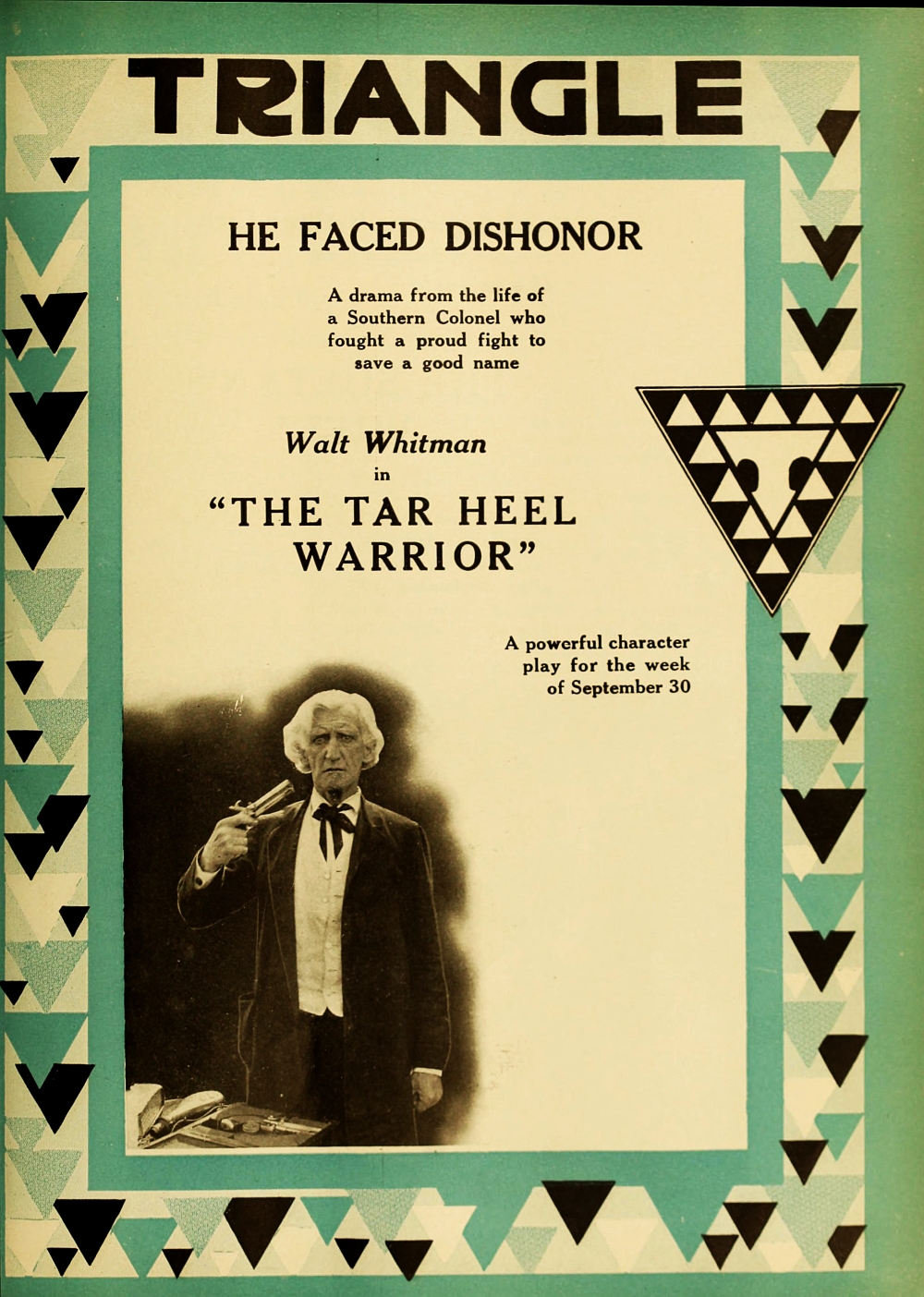
Director's Spotlight: United States
A Deep Dive into the 1917 Vision of E. Mason Hopper
The enduring fascination with The Tar Heel Warrior is a testament to the defining moment in cult history that E. Mason Hopper helped create. This film stands as a masterclass in visual storytelling, it has cemented its place in the global cult cinema archive.
In The Tar Heel Warrior, E. Mason Hopper pushes the boundaries of conventional narrative. The film's unique approach to its subject matter has sparked endless debates and interpretations among cinephiles and critics alike.
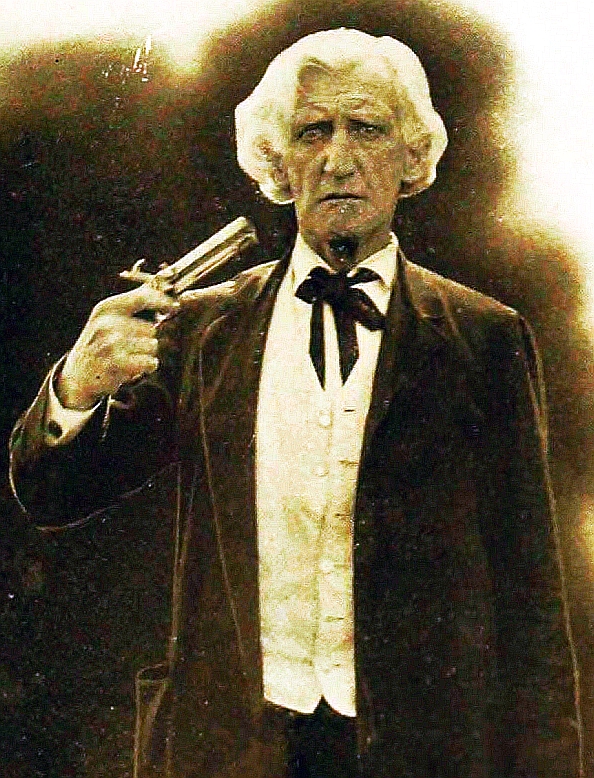
While deeply rooted in United States, The Tar Heel Warrior has achieved a global reach, influencing directors from various backgrounds. Its ability to translate cult tropes into a universal cinematic language is why it remains a cult staple decades after its 1917 release.
| Cinematography | Handheld |
| Soundtrack | Minimalist |
| Editing | Disjunctive |
| Art Direction | Baroque |
Visualizing the convergence of E. Mason Hopper's style and the core cult narrative.
Colonel Dabney Mills, whose Southern plantation is heavily mortgaged, makes a trip to New York hoping to borrow money from James Adams, his granddaughter Anna Belle's husband. When the colonel arrives, he learns that Adams's entire capital is tied up in a big stock deal, and that he is therefore unable to lend the colonel any assistance. While Adams is away, one of his business partners entrusts the colonel with $5,000 to retain for his grandson-in-law. Desperate, the colonel speculates in cotton on the tip of an old friend and loses the money. Conscience-stricken, the colonel returns to his plantation determined to take his life, but Adams, successful in his deal, arrives just in time to prevent the tragedy.
Decades after its release, The Tar Heel Warrior remains a vital piece of the cinematic puzzle. Its influence can be seen in countless modern works, solidifying E. Mason Hopper's status as a master of the craft in United States and beyond.