
DbcultAccessing Vault...
Director's Spotlight
Senior Film Conservator
Director's Spotlight: United States
A Deep Dive into the 1927 Vision of Earle Rodney
The Short DNA of Catalina, Here I Come is a reflection of United States's the historical context that Earle Rodney weaves into the Short fabric. Challenging the viewer to find meaning in the Short shadows, it transcends regional boundaries to tell a universal story.
In Catalina, Here I Come, Earle Rodney pushes the boundaries of conventional narrative. The film's unique approach to its subject matter has sparked endless debates and interpretations among cinephiles and critics alike.
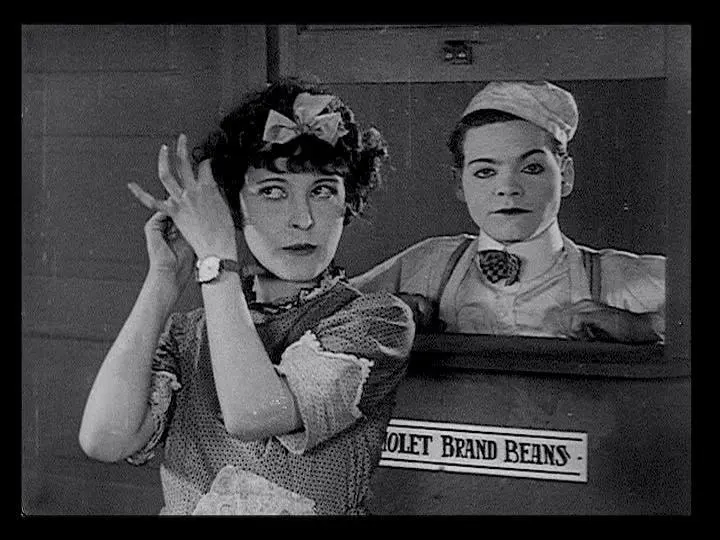
The visual language of Catalina, Here I Come is defined by its use of shadows and framing, a hallmark of Earle Rodney's style. By utilizing a 1927-era palette, the film creates an immersive experience that perfectly complements its Short themes.
| Cinematography | Handheld |
| Soundtrack | Diegetic |
| Editing | Elliptical |
| Art Direction | Expressionist |
Visualizing the convergence of Earle Rodney's style and the core Short narrative.
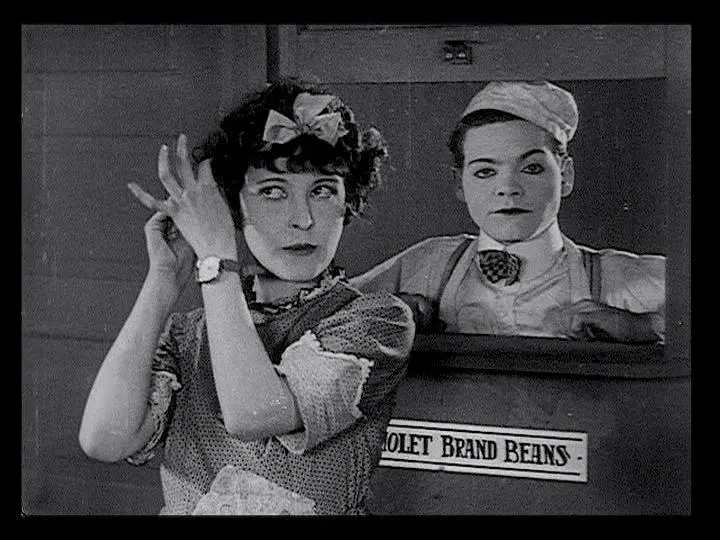
Wanda is a gum-chewing waitress; dim Eddie, the pastry boy at the café, likes her. So does Mr. Hamhocks, the café owner, whose head is also turned by the arrival of Pearl Minnow, a gold digger in town for the annual Catalina Channel Swim, sponsored by Wrigley's. Wanda and Pearl take a dislike to each other; Hamhocks is charmed by Pearl and Eddie stays loyal to Wanda. The day of the swimming contest arrives, the two women compete, and the two men try to help their respective gals. Their trials and tribulations mix with documentary footage of the event. An angry swordfish gets in the act.
Decades after its release, Catalina, Here I Come remains a vital piece of the cinematic puzzle. Its influence can be seen in countless modern works, solidifying Earle Rodney's status as a master of the craft in United States and beyond.