
Cult Cinema
The Echo Chamber of Eccentricity: Unearthing Cult Cinema's Enduring Resonance and Unseen Devotion

“Dive deep into the enigmatic world of cult cinema, exploring how films once deemed unconventional or even transgressive forge unbreakable bonds with devoted audiences, transcending time and mainstream appeal. This editorial unearths the primal magnetism that transforms cinematic curiosities into cul…”
In the vast, ever-expanding tapestry of cinematic history, certain films defy easy categorization, resisting the gravitational pull of mainstream acceptance only to find themselves enshrined in the hearts of fervent, often niche, audiences. These are the titans of cult cinema, works that, through their unique vision, transgressive themes, or sheer, unadulterated weirdness, forge a bond with viewers that borders on the spiritual. Far from being mere box-office failures or critical missteps, they represent a fascinating counter-narrative to traditional film appreciation, proving that true cinematic immortality often lies not in universal acclaim, but in the passionate, enduring devotion of a select few.

The Genesis of the Unconventional: Seeds of Subversion in Early Cinema
The very concept of cult cinema isn't a modern invention; its roots stretch back to the nascent days of the medium. Even in the silent era, amidst the flickering images and grand theatricality, films emerged that pushed boundaries, challenged societal norms, and explored themes considered taboo. These early cinematic experiments, often ambitious in scope or daring in content, laid the groundwork for what we now understand as the cult phenomenon. Consider the monumental efforts of early epics that dared to tackle vast historical narratives or complex moral dilemmas, perhaps overwhelming audiences with their scale or philosophical depth. Such films, though perhaps not immediately embraced by all, offered a glimpse into the potential for cinema to be more than just entertainment – a vehicle for profound artistic expression and even social critique.
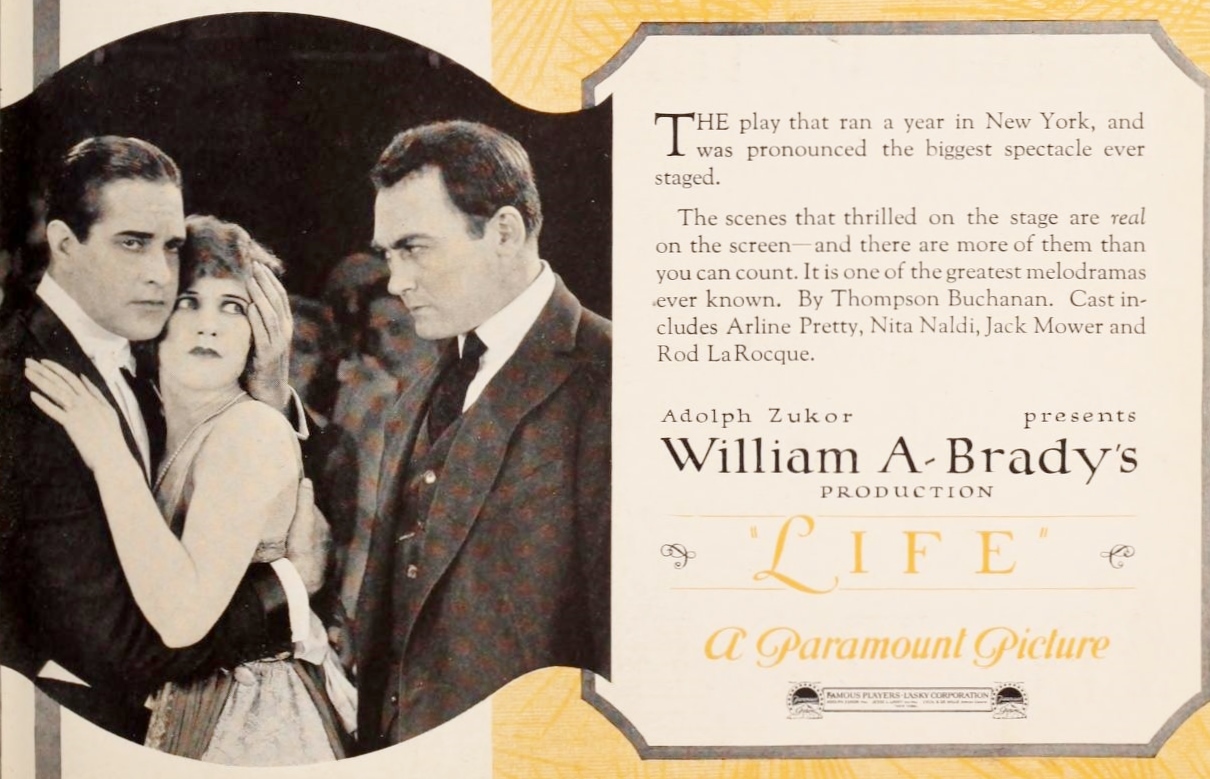
From melodramas that depicted scandalous affairs and social outcasts to adventure tales that celebrated defiance, the early screen was ripe with narratives that, in retrospect, possessed the transgressive spirit characteristic of future cult classics. Films featuring strong, often morally ambiguous female leads, or those exploring the dark underbelly of urban life, undoubtedly resonated with audiences seeking something beyond the conventional. These were the cinematic misfits, perhaps initially misunderstood or even condemned, but whose very audacity planted the seeds for a different kind of appreciation. They were not designed for mass appeal, but rather, for a discerning eye that recognized their intrinsic value, even if the wider world wasn't ready.

Narrative Anarchy and Visual Audacity: Crafting the Cinematic Outlier
What truly sets a cult film apart is often its willingness to embrace narrative anarchy and visual audacity. These films frequently abandon conventional storytelling structures, opting instead for non-linear plots, surreal imagery, or a deliberate blurring of genre lines. The result is a viewing experience that can be disorienting, challenging, and ultimately, deeply rewarding for those willing to lean into its eccentricities. Think of early dramas that delved into the psychological complexities of characters, or comedies that relied on absurd situations and unconventional humor to elicit laughter. These were not films that spoon-fed their meaning; they demanded engagement, interpretation, and often, a willingness to confront uncomfortable truths or revel in pure, unadulterated strangeness.

The visual language of cult cinema is equally distinctive. Directors of these films often employ striking cinematography, unconventional editing, or groundbreaking special effects that leave an indelible mark on the viewer's psyche. Whether it's the stark realism of a social drama, the fantastical landscapes of an adventure epic, or the unsettling atmosphere of a psychological thriller, these films prioritize a unique aesthetic vision over commercial palatability. This commitment to a singular artistic voice, regardless of its potential for mainstream rejection, is a hallmark of cult status. It's this unapologetic individuality that allows films to carve out their own space, attracting those who crave cinematic experiences that are truly one-of-a-kind.

Beyond the Mainstream: The Audience's Altar
Perhaps the most defining characteristic of cult cinema is its relationship with its audience. Unlike blockbusters that aim for broad appeal, cult films thrive on a deep, almost intimate connection with a dedicated following. These are the films that viewers don't just watch; they obsess over, analyze, quote, and introduce to others like a secret handshake. This communal aspect is vital to the cult experience, transforming solitary viewing into a shared ritual. From early 'midnight movie' screenings to online forums dissecting every frame, fans of cult cinema build communities around their shared passion, creating an echo chamber where their eccentric tastes are not just tolerated, but celebrated.

This audience devotion is often fueled by a sense of discovery. Many cult films were initially overlooked, dismissed by critics, or failed to find a wide audience upon their initial release. Their journey to iconic status is often a grassroots phenomenon, propelled by word-of-mouth and the tireless advocacy of passionate fans. It's a testament to the idea that art truly finds its audience, even if it takes years, or even decades, for that connection to solidify. The films become a symbol of rebellion against the mundane, a validation of alternative perspectives, and a source of profound personal resonance for those who feel alienated by more conventional fare. This dynamic transforms mere spectators into active participants in the film's ongoing legacy.
From Obscurity to Iconography: The Alchemy of Time and Re-evaluation
The passage of time is a powerful alchemist in the realm of cult cinema. Films that were once obscure, controversial, or simply ahead of their time often undergo a profound re-evaluation years, or even generations, after their initial release. What was once seen as bizarre or unpalatable might later be celebrated as visionary or prophetic. The cultural landscape shifts, societal attitudes evolve, and new generations of viewers bring fresh perspectives, allowing these films to be seen in a new light. This retrospective appreciation is crucial to the enduring power of cult classics.
Consider films that tackled complex social issues or explored psychological depths long before such themes became mainstream. Their initial reception might have been lukewarm, but their relevance only grows with each passing decade. The raw emotion, the uncompromising narratives, and the distinctive characterizations found in these films resonate more deeply as their historical context becomes clearer, or as their themes prove to be timeless. This transformation from forgotten gem to revered classic is a cyclical process, ensuring that the pantheon of cult cinema is always expanding and being reinterpreted. It’s a powerful reminder that artistic merit is not always immediately recognized, and sometimes, the greatest works require time to ferment and find their true audience.
The Timeless Allure of the Taboo and the Unconventional
Why do these unconventional cinematic treasures continue to captivate? Part of their enduring allure lies in their willingness to confront taboos, to explore the darker, stranger, or less comfortable aspects of the human experience. Whether it's a story of forbidden romance, a descent into madness, or a critique of societal hypocrisy, cult films often dare to go where mainstream cinema fears to tread. This fearless exploration of the fringes, the morally ambiguous, and the outright bizarre creates a sense of liberation for viewers who are tired of sanitized narratives and predictable outcomes. It's an invitation to engage with art that challenges, provokes, and expands one's understanding of what cinema can be.
Furthermore, cult films often celebrate the outsider, the rebel, and the non-conformist. Their characters, much like the films themselves, frequently exist on the margins of society, grappling with identities and desires that clash with conventional expectations. This resonates deeply with audiences who themselves feel like outsiders, providing a sense of validation and belonging. The shared experience of appreciating a film that others might deem 'weird' or 'difficult' creates a powerful bond, fostering a sense of community among those who see themselves reflected in these cinematic anomalies. It’s a testament to the power of art to connect individuals and create a collective identity around shared, unconventional passions.
The Enduring Legacy: A Permanent Place in the Cinematic Heart
From the earliest flickering reels that dared to be different to the modern-day marvels that continue to push boundaries, cult cinema holds a unique and irreplaceable position in our cultural landscape. It’s a testament to the idea that artistic value is not solely dictated by commercial success or critical consensus, but by the profound and lasting impact a film can have on its audience. These films, once relegated to the fringes, have become cultural touchstones, inspiring generations of filmmakers, artists, and passionate cinephiles.
The journey of a cult film from obscurity to enduring legacy is a fascinating narrative in itself, a testament to the power of unconventional visions and the unwavering devotion of a discerning audience. As we continue to navigate an increasingly homogenized media landscape, the importance of cult cinema only grows. It serves as a vital reminder that true artistic innovation often blossoms outside the spotlight, in the echo chambers of eccentricity, where unique voices find their tribe and forge an unbreakable, timeless connection. The cult of cinema, therefore, is not merely a collection of films; it is a living, breathing phenomenon, constantly evolving, perpetually challenging, and forever enriching the cinematic experience for those willing to look beyond the obvious.
Community
Comments
Log in to comment.
Loading comments…