
DbcultAccessing Vault...
Director's Spotlight
Senior Film Conservator
Director's Spotlight: United States
A Deep Dive into the 1922 Vision of Edgar Jones
The thematic gravity of Lonesome Corners (1922) is rooted in the artistic risks taken by Edgar Jones that eventually paid off. Defining a new era of United States artistic expression, it demands to be seen by anyone who cares about the art of film.
In Lonesome Corners, Edgar Jones pushes the boundaries of conventional narrative. The film's unique approach to its subject matter has sparked endless debates and interpretations among cinephiles and critics alike.
The visual language of Lonesome Corners is defined by its use of shadows and framing, a hallmark of Edgar Jones's style. By utilizing a 1922-era palette, the film creates an immersive experience that perfectly complements its Romance themes.
| Cinematography | Handheld |
| Soundtrack | Orchestral |
| Editing | Slow-Burn |
| Art Direction | Brutalist |
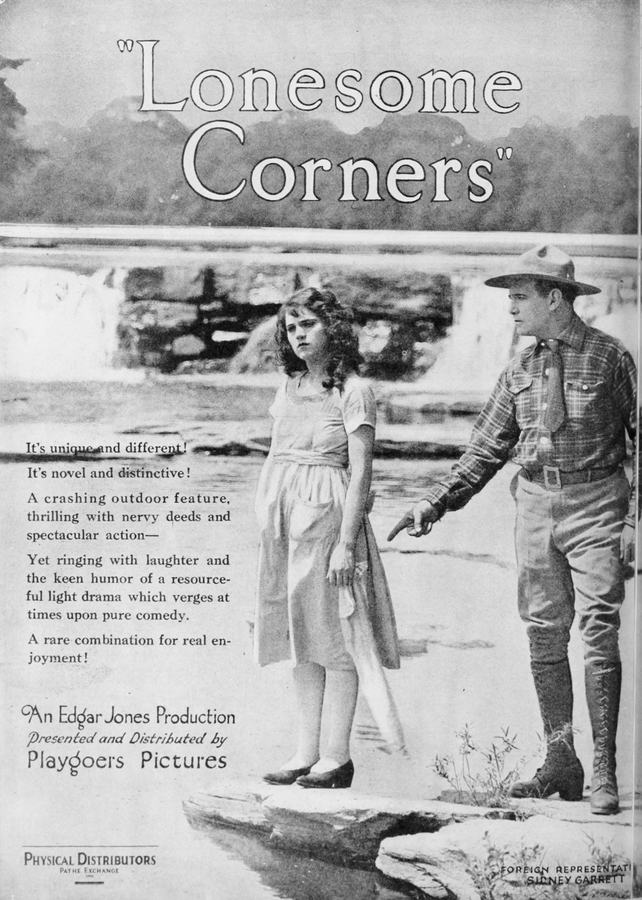
Visualizing the convergence of Edgar Jones's style and the core Romance narrative.
Henry Warburton, who is compelled to wait 9 years before coming into a willed inheritance, retires to the backwoods and marries Nola, a girl with no refinement or social graces. At length, his friend Grant Hamilton visits him, sees in Nola possibilities to which Warburton is blind, and "kidnaps" her. Hiding in a cottage, Nola is educated by Hamilton and a governess while Warburton searches in vain for her, mystified by frequent notes advising him of her progress, the last of which tells him of a daughter's birth. A year later, Warburton returns to New York where he meets Hamilton and Nola; amazed at the transformation, he is happily reunited with his wife.
Decades after its release, Lonesome Corners remains a vital piece of the cinematic puzzle. Its influence can be seen in countless modern works, solidifying Edgar Jones's status as a master of the craft in United States and beyond.