
DbcultAccessing Vault...
Director's Spotlight
Senior Film Conservator
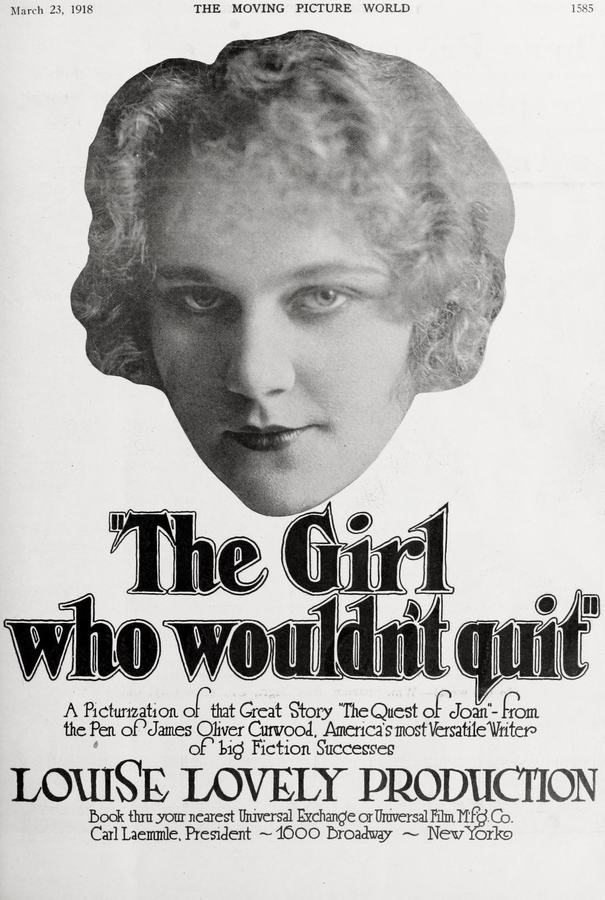
Director's Spotlight: United States
A Deep Dive into the 1918 Vision of Edgar Jones
Analyzing The Girl Who Wouldn't Quit (1918) requires a deep dive into the unique directorial voice that Edgar Jones brought to the screen. By challenging the status quo of 1918 cinema, it continues to spark endless debates among critics and cinephiles alike.
In The Girl Who Wouldn't Quit, Edgar Jones pushes the boundaries of conventional narrative. The film's unique approach to its subject matter has sparked endless debates and interpretations among cinephiles and critics alike.
To fully appreciate The Girl Who Wouldn't Quit, one must consider the cinematic climate of 1918. During this period, United States was undergoing significant artistic shifts, and Edgar Jones was at the forefront of this cult movement, often challenging established norms.
| Cinematography | Deep Focus |
| Soundtrack | Experimental |
| Editing | Invisible |
| Art Direction | Kitsch |
Visualizing the convergence of Edgar Jones's style and the core cult narrative.
Roscoe Tracy, the foreman of a large mining camp, is unjustly sentenced to life in prison for robbery and murder. In his absence, his little daughter Joan is raised by mine superintendent Robert Carter. Many years after her father's conviction, Joan receives an anonymous note advising her to examine the contents of a chest that is stored in a certain warehouse. Carter, alarmed by this development, tries to secure the trunk himself, but not before it is purchased at an auction by Jim Younger and his friends. Joan, who loves Jim, informs the young man of the chest's value, and when Carter and his men steal the box, Jim pursues them and retrieves it. The trunk contains a note revealing that Carter and his accomplice Joe Morgan, the mine's telegrapher, framed Tracy for the crimes that they had committed. Tracy is finally released from prison, and Joan weds Jim.
Decades after its release, The Girl Who Wouldn't Quit remains a vital piece of the cinematic puzzle. Its influence can be seen in countless modern works, solidifying Edgar Jones's status as a master of the craft in United States and beyond.