
DbcultAccessing Vault...
Director's Spotlight
Senior Film Conservator
Director's Spotlight: United States
A Deep Dive into the 1916 Vision of Edgar Jones
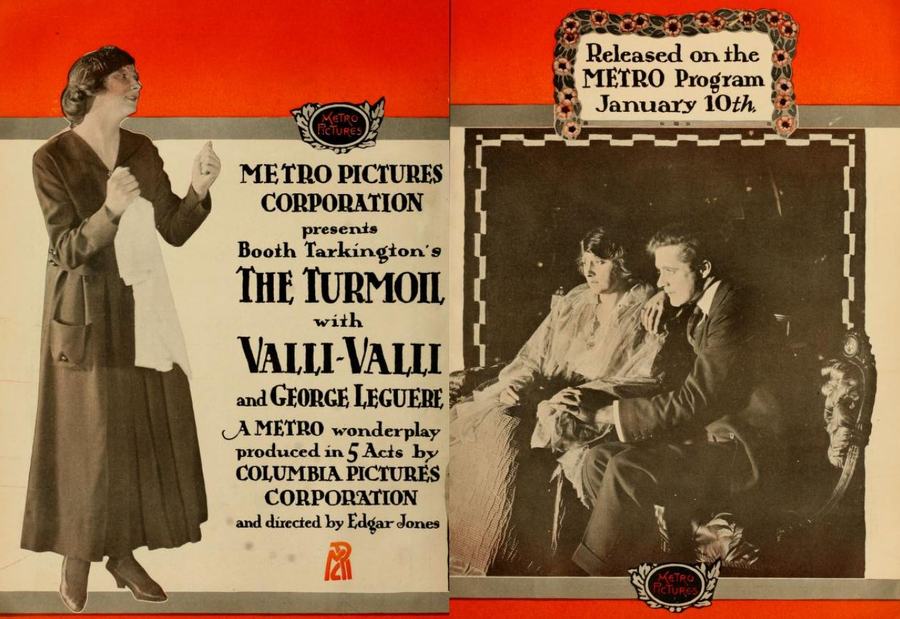
Peeling back the layers of Edgar Jones's The Turmoil exposes the collaborative alchemy between Edgar Jones and the 1916 creative team. Anchored by a narrative that is both personal and universal, it reinforces the idea that cinema is a medium of infinite possibilities.
In The Turmoil, Edgar Jones pushes the boundaries of conventional narrative. The film's unique approach to its subject matter has sparked endless debates and interpretations among cinephiles and critics alike.
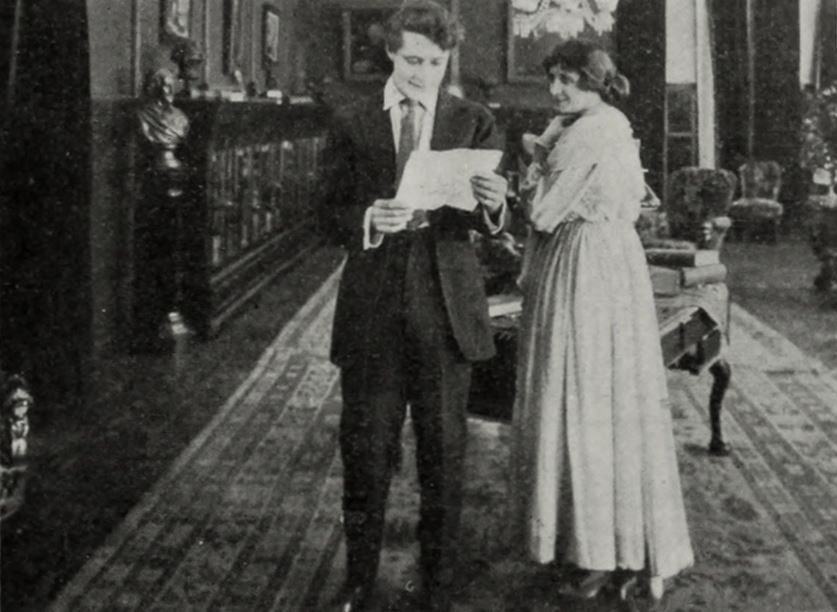
In this work, Edgar Jones explores the intersection of cult and United States cultural identity. The meticulous attention to detail suggests a deep-seated commitment to pushing the boundaries of the medium, ensuring that The Turmoil remains a relevant topic of study for cult enthusiasts.
| Cinematography | Noir-Inspired |
| Soundtrack | Orchestral |
| Editing | Slow-Burn |
| Art Direction | Brutalist |
Visualizing the convergence of Edgar Jones's style and the core cult narrative.
James Sheridan becomes wealthy and a power in a Middle West city, where his entire life is absorbed in the turmoil of his own creation. The only thing he lacks is social standing, and this he strives to gain by methods he has successfully employed in driving a business deal. His two oldest sons, Jim and Roscoe, like him are products of the turmoil, but the youngest, Bibbs, is a weakling with a penchant for books. The father insists on Bibbs working in the factory, but as it is distasteful to him, and he is physically unfit for the task, his health fails and he is sent to a sanitarium. In the same city lives the Vertrees family, poor, but true aristocrats, and Sheridan determines that his son Jim should marry the young daughter Mary, and thus make a wedge for the family into social prominence. He arranges a big dinner, with a vulgar display of luxury, which Mary Vertrees is compelled to attend because of a financial obligation Sheridan holds over her father. That night she is made to understand that she is to marry Jim, and she concedes to make the sacrifice. At the height of the dinner party Bibbs returns from the sanitarium but the family ignores him and Mary is attracted to him out of pity. Middle son Roscoe is unhappily married to Sibyl; like his father he is lost in the turmoil of endeavor, and she is obliged to seek companionship elsewhere. She becomes infatuated with Robert Lamhorn, a worthless young man who is secretly engaged to Edith, the only daughter of the House of Sheridan. Jim proposes to Mary Vertrees, and she asks him to wait a while for her answer. Sibyl and Edith quarrel over Lamhorn, and Sibyl, knowing Mary's hold over the elder Sheridan, asks her to go to him and tell him that Edith and Robert are engaged and that Robert is only marrying her for her money. Sibyl's words remind Mary that she will be doing the same thing if she marries Jim. She writes Jim a letter refusing his offer of marriage. Much to his father's delight, Jim has built a large warehouse in half the time contractors said was necessary for the undertaking. Accompanied by inspectors, Jim is on the roof of the building when it collapses, and he is killed. Sheridan is brokenhearted over his death; his sorrow is doubled by the fact that Roscoe, worried over "domestic affairs, has taken to drink. He then strives harder than ever to make Bibbs a thorough businessman, and his successor. Edith elopes with Robert, and Bibbs is the only one left to him. Bibbs has become attached to Mary, and on her advice agrees on a business career. She loves him, but thinks his attentions are prompted through pity for her. She refuses his proffer of marriage for the same reason she refused his brother. When Bibbs learns this, he quits his place with his father, and he informs him he does not want any of his fortune. Sheridan awakens to the situation, and pays Mr. Vertrees $50,000 for some worthless street railway stock. Mary's family thus becomes financially comfortable, she accepts Bibbs' renewed proposal of marriage, and he becomes the leading spirit in the Sheridan enterprises.
Decades after its release, The Turmoil remains a vital piece of the cinematic puzzle. Its influence can be seen in countless modern works, solidifying Edgar Jones's status as a master of the craft in United States and beyond.