
DbcultAccessing Vault...
Director's Spotlight
Senior Film Conservator
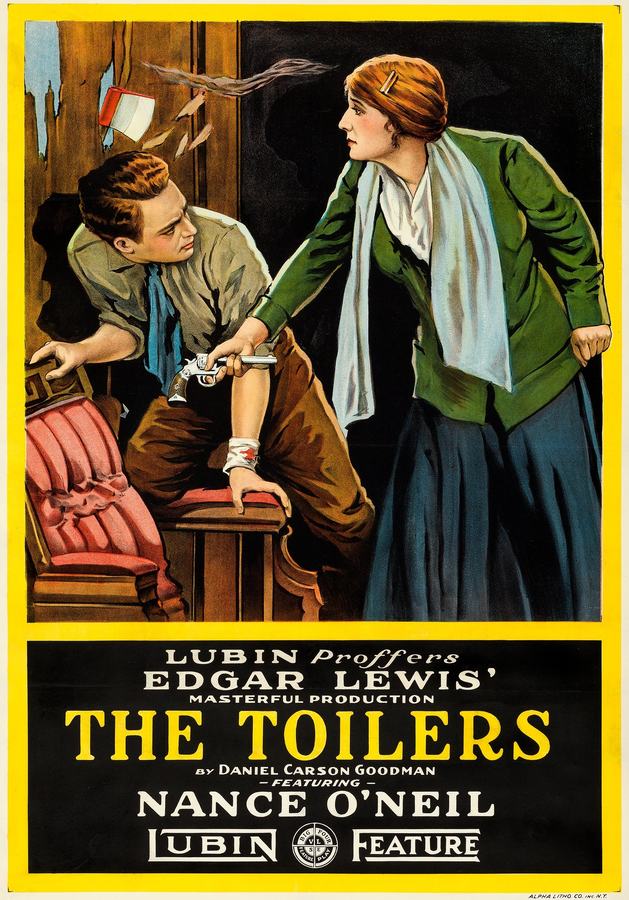
Director's Spotlight: United States
A Deep Dive into the 1916 Vision of Edgar Lewis
The artistic breakthrough represented by The Toilers in 1916 highlights the uncompromising vision of Edgar Lewis that defines this cult masterpiece. In the context of United States's rich cinematic history, it captures a specific kind of cinematic magic that is rarely replicated.
In The Toilers, Edgar Lewis pushes the boundaries of conventional narrative. The film's unique approach to its subject matter has sparked endless debates and interpretations among cinephiles and critics alike.
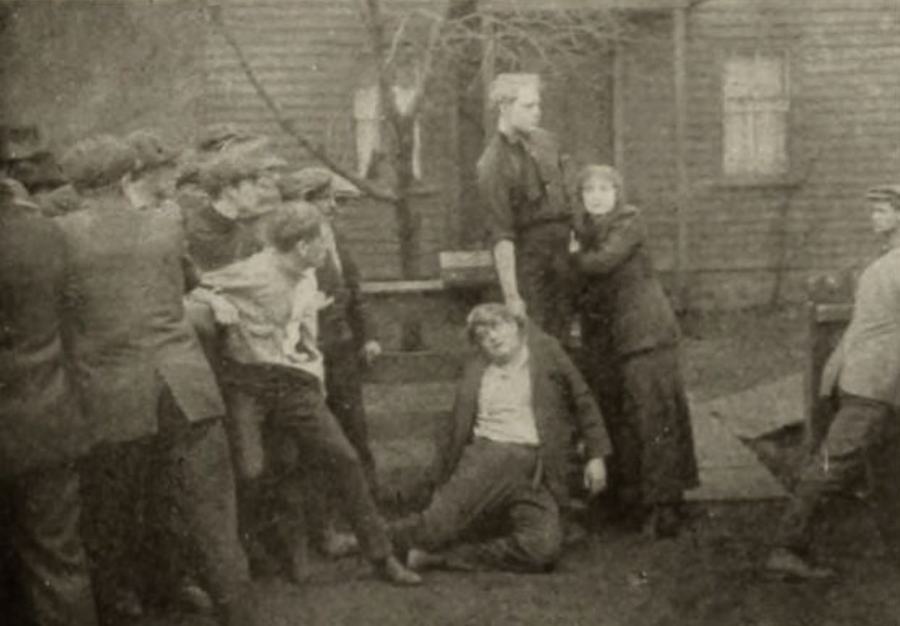
The visual language of The Toilers is defined by its use of shadows and framing, a hallmark of Edgar Lewis's style. By utilizing a 1916-era palette, the film creates an immersive experience that perfectly complements its cult themes.
| Cinematography | High-Contrast |
| Soundtrack | Orchestral |
| Editing | Slow-Burn |
| Art Direction | Brutalist |
Visualizing the convergence of Edgar Lewis's style and the core cult narrative.
The scene is set in the Pennsylvania petroleum region. Oil worker William Brett has used his scanty hoard of savings to send his daughter Jane to the city to secure a higher education. Completing her course as a trained nurse, Jane visits her old home. Amid the settlement's corroding influence, her brother becomes a thief. Jane's sister Annie falls a prey to the blandishments of a tempter from the city. Fired with indignation against the injustice of affairs, Jane devotes herself to the double mission of avenging and of righting the wrongs of which her family and the community in general have been subjected. Her father is seriously hurt in an accident at work, and his pay is stopped. Jane hastens to the city, determined to make an effort to awaken William Jameson, the millionaire owner of the oil field, to a realization of the wrongs imposed upon the workers. She arrives at a time when the millionaire's son John Jameson, who glimpsed the light of uplift, is vainly pleading with his father to listen to his plans for the betterment of the workers' conditions. Jane is compelled to force her way into the Jameson mansion during the progress of a bal masque given in aid of the Society for Prevention of Cruelty to Animals. She accosts William Jameson in his study, and wild with anger and further maddened by the millionaire's gibes, she tries to kill him and is arrested by detectives. Although she and young Jameson have not met, the latter is instrumental in obtaining her release. Jane goes back to the workers and a secret strike is formed, Jane being the ring-leader. They determine to fire the wells to teach Jameson a lesson. It is at this time that John Jameson comes to the oil wells to investigate conditions. His identity is not known by anyone except the superintendent. Morgan, the ringleader of the workers, is in love with Jane, and on the eve of the firing of the wells he learns of Jameson's identity by breaking into his cottage. The same evening, to save the property, young Jameson goes to Jane, confesses his identity, and pleads with her to help him save the property. Jane is in a quandary. She has fallen in love with the man, whom she believed to be a workman, and he with her. Finally, when she goes to the meeting place of the strikers and pleads with them to hold off, Morgan, who has just broken into Jameson's hut, rushes in, and accuses her of being a traitor. There is a fight. They trample over Jane and rush to the wells. Jane, realizing that they will turn to her unsuspecting lover and try to kill him, drags herself to him and just in time throws herself in front of him as the strikers rush to kill him. However, John Jameson bares himself to the strikers, asks them to listen to him, and proves to them that he is there on their behalf. He then goes to his father and forces him to give in to the strikers, and all ends happily.
Decades after its release, The Toilers remains a vital piece of the cinematic puzzle. Its influence can be seen in countless modern works, solidifying Edgar Lewis's status as a master of the craft in United States and beyond.