
DbcultAccessing Vault...
Director's Spotlight
Senior Film Conservator
Director's Spotlight: United States
A Deep Dive into the 1919 Vision of Edmund Lawrence
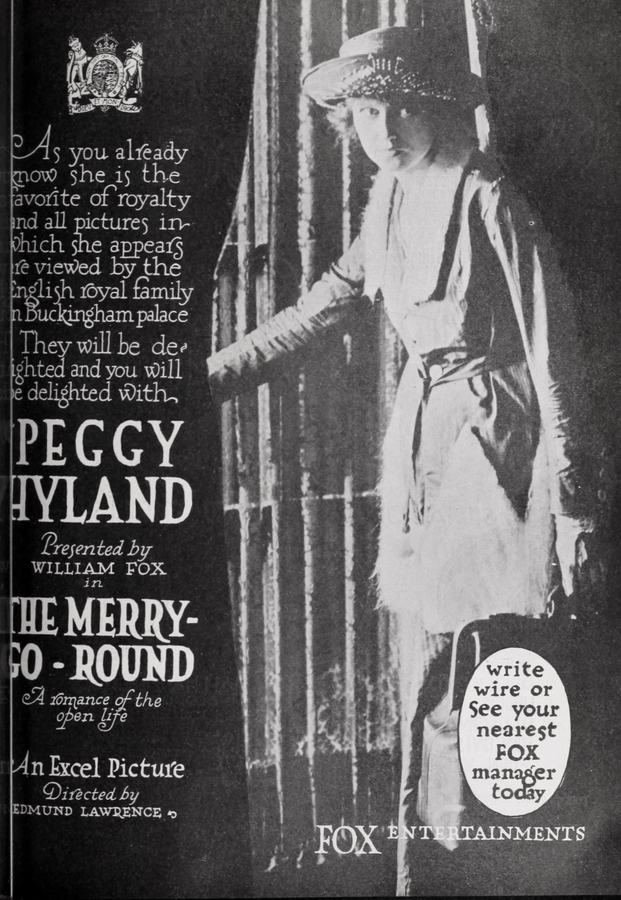
Exploring the cult underpinnings of The Merry-Go-Round leads us to the uncompromising vision of Edmund Lawrence that defines this cult masterpiece. Melding the raw energy of United States with a global cult appeal, it echoes the profound changes occurring in United States during that era.
In The Merry-Go-Round, Edmund Lawrence pushes the boundaries of conventional narrative. The film's unique approach to its subject matter has sparked endless debates and interpretations among cinephiles and critics alike.
| Cinematography | Handheld |
| Soundtrack | Synth-Heavy |
| Editing | Disjunctive |
| Art Direction | Baroque |
Visualizing the convergence of Edmund Lawrence's style and the core cult narrative.
Crump's Colossal Combined Carnival Show barely survives financially by hiring thieves and pickpockets to rob customers. One day, clubman Jack Hamilton buys the circus when his car breaks down on his way to meet a deadline to avoid bankruptcy and he needs the circus tractor to haul his auto out of a ditch. Hamilton leads the circus to financial success and falls in love with Gypsy, the ticket-taker. To convince Jack to marry Gypsy, her supposed mother, fortune-teller Carlotta, says that she was kidnapped as a baby and shows Jack a photo in which he recognizes Gypsy's mother as the wife of Andrew Pomeroy, the financier who ruined him. Gypsy's subsequent life with her real parents is miserable since they find her lack of manners offensive and try to get her to marry a cousin, but Jack rescues her, and the minute she turns 18 he marries her with the Pomeroys' belated consent.
Decades after its release, The Merry-Go-Round remains a vital piece of the cinematic puzzle. Its influence can be seen in countless modern works, solidifying Edmund Lawrence's status as a master of the craft in United States and beyond.