
DbcultAccessing Vault...
Director's Spotlight
Senior Film Conservator
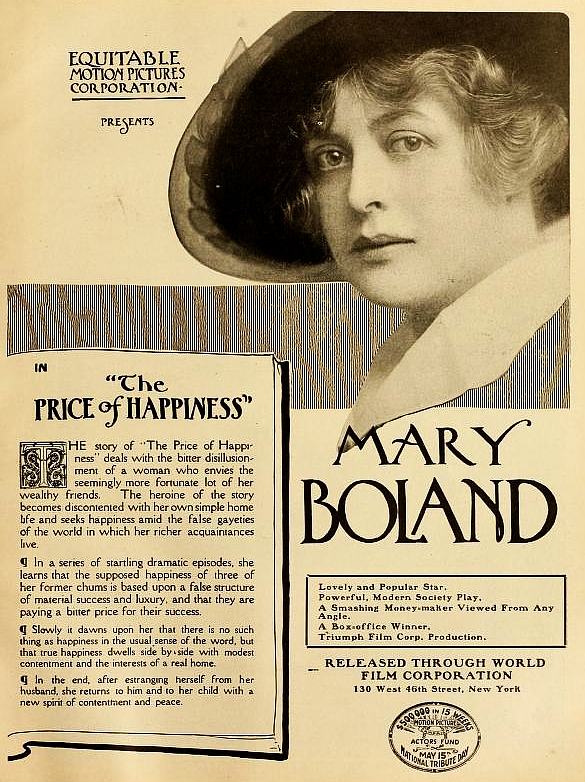
Director's Spotlight: United States
A Deep Dive into the 1916 Vision of Edmund Lawrence
The enduring fascination with The Price of Happiness is a testament to the artistic risks taken by Edmund Lawrence that eventually paid off. Challenging the viewer to find meaning in the cult shadows, it reminds us of the fragility and beauty of the 1916s.
In The Price of Happiness, Edmund Lawrence pushes the boundaries of conventional narrative. The film's unique approach to its subject matter has sparked endless debates and interpretations among cinephiles and critics alike.
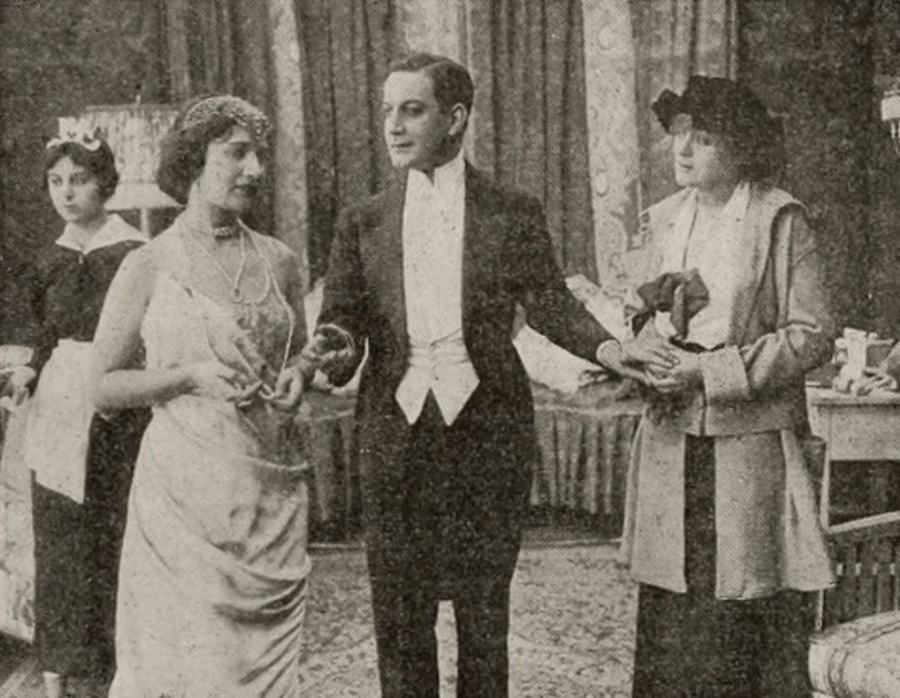
The visual language of The Price of Happiness is defined by its use of shadows and framing, a hallmark of Edmund Lawrence's style. By utilizing a 1916-era palette, the film creates an immersive experience that perfectly complements its cult themes.
| Cinematography | High-Contrast |
| Soundtrack | Minimalist |
| Editing | Disjunctive |
| Art Direction | Baroque |
Visualizing the convergence of Edmund Lawrence's style and the core cult narrative.
Bertha Miller is the young wife of an industrious artisan. The couple live comfortably but hardly luxuriously, and sometimes Bertha can't stifle the envious longings aroused in her by reports of her former girl friends' material success. Three of these former chums have had particular success, in the sense of having all the things that money can buy. Bertha and her three friends reunite when they meet a steamer that is bringing back one of the group who has become an opera singer. Bertha is invited to visit each of her three friends. She first visits Ruth Taylor's beautiful home, where she receives the first intimation that things are not as pleasant in Ruth's world as they appear on the surface. She finds Ruth in a nervous state and learns that she has written letters to an admirer and fears her husband will discover it. Bertha agrees to help Ruth out of her trouble and in doing so nearly estranges herself from her own husband. Lucille, the opera singer, has a handsome suite of rooms in a fashionable hotel. Bertha finds Lucille in despair over the fact that her expected operatic role has been given to another singer. Bertha learns to her surprise that Lucille's lot is in no way so happy as she had thought at first. The climax of this scene comes when Lucille has Bertha meet the man whom Lucille loves and expects to marry. This man Bertha discovers to be the owner of the house in which she and her husband live. Lucille is broken-hearted when she learns that her lover is married and the father of a family. The third seemingly-successful friend, Evelyn, lives in a pretty apartment, and when Bertha visits her she seems to have no cares or worries. Induced to go out to a gay party with Evelyn that evening, Bertha discovers to her horror that Evelyn's lovely gowns and luxurious living are being paid for in the old way of the underworld. It is in this scene, amid the false gaiety of Broadway night-life, that Bertha receives her final disillusionment and discovers the whole false fabric of her friends' careers. All envy is wiped from her heart and she returns to her steady, hard-working husband and her little child conscious that hers is, after all, the real success in life.
Decades after its release, The Price of Happiness remains a vital piece of the cinematic puzzle. Its influence can be seen in countless modern works, solidifying Edmund Lawrence's status as a master of the craft in United States and beyond.