
DbcultAccessing Vault...
Director's Spotlight
Senior Film Conservator
Director's Spotlight: United States
A Deep Dive into the 1925 Vision of Edmund Mortimer
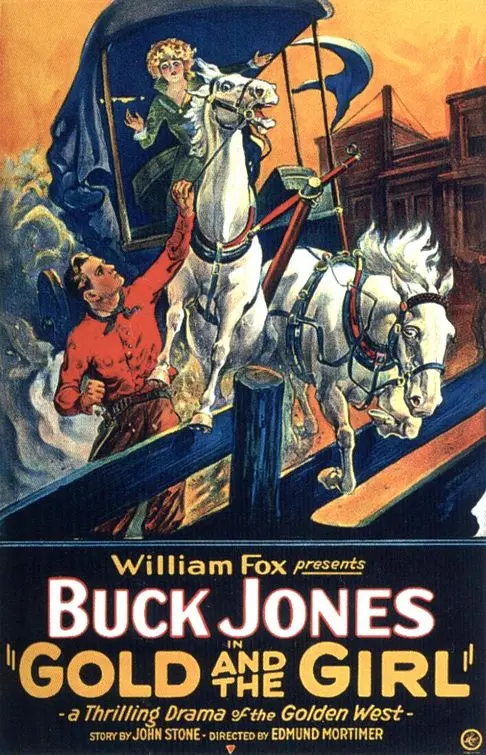
The 1925 release of Gold and the Girl marked a significant moment for the enduring legacy of Edmund Mortimer's artistic contribution to the genre. By challenging the status quo of 1925 cinema, it has cemented its place in the global cult cinema archive.
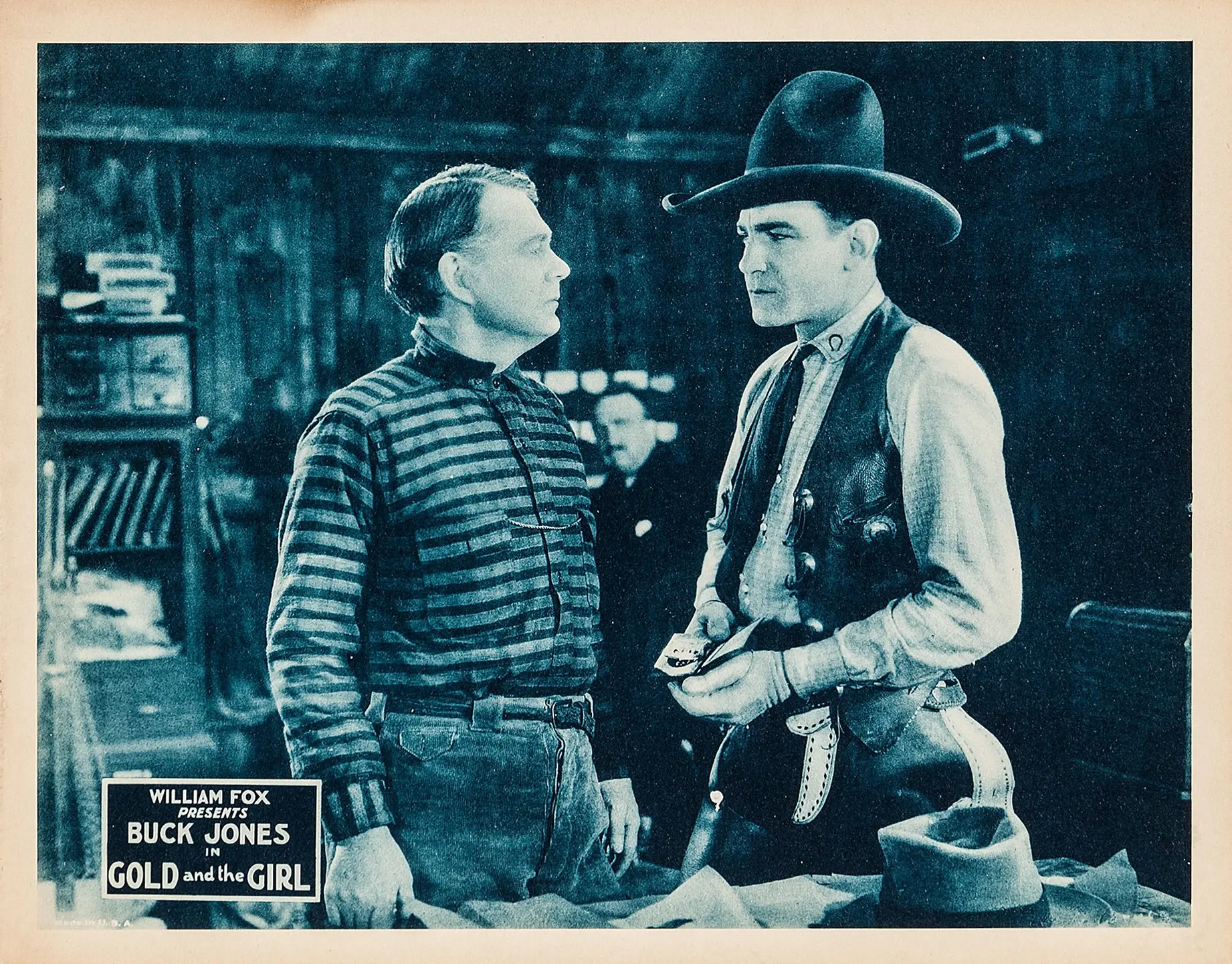
In Gold and the Girl, Edmund Mortimer pushes the boundaries of conventional narrative. The film's unique approach to its subject matter has sparked endless debates and interpretations among cinephiles and critics alike.
| Cinematography | Static |
| Soundtrack | Synth-Heavy |
| Editing | Disjunctive |
| Art Direction | Baroque |
Visualizing the convergence of Edmund Mortimer's style and the core Romance narrative.
Dan Prentiss, the special undercover agent of a mining company, is assigned to investigate a series of robberies involving gold shipments. He earns the friendship of Ann Donald by saving her life when her horse is frightened by his dog, Pal. Dan also meets both Ann's uncle, Sam, and his partner, Colton, who is one of Ann's suitors. Dan finally decides to trap the unknown robbers by driving the truck carrying the gold shipment himself. After he sets out on this perilous journey, Ann discovers that her uncle and Colton are the bandits and sets out to warn Dan. The sheriff's posse captures all of Sam's gang except Sam and Colton, who head for the hills. Dan tails them and captures Colton; wounded by the posse, Sam kills himself to avoid capture. Ann promises to wait for Buck, who plans to return for her as soon as his work permits.
Decades after its release, Gold and the Girl remains a vital piece of the cinematic puzzle. Its influence can be seen in countless modern works, solidifying Edmund Mortimer's status as a master of the craft in United States and beyond.