
DbcultAccessing Vault...
Director's Spotlight
Senior Film Conservator
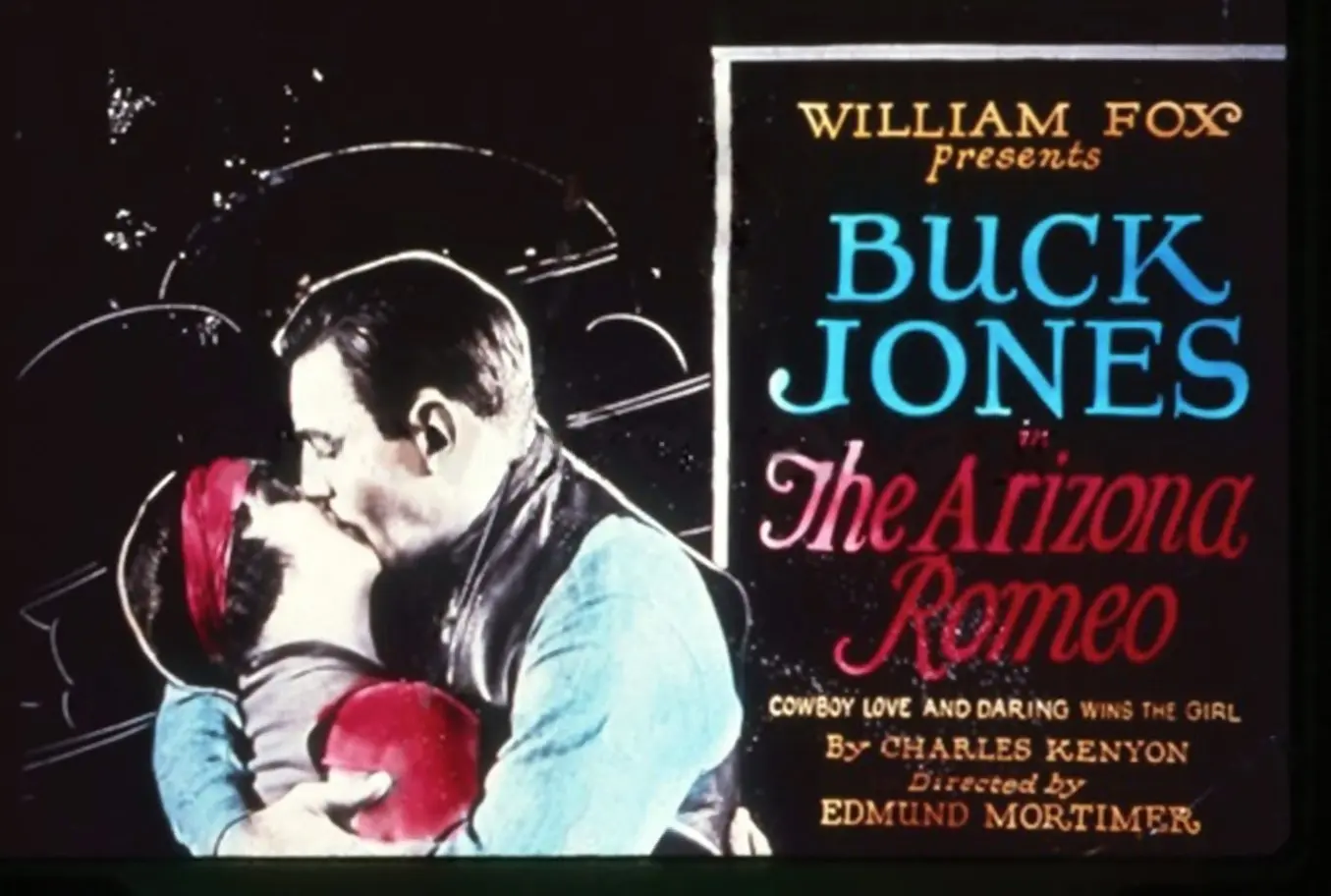
Director's Spotlight: United States
A Deep Dive into the 1925 Vision of Edmund Mortimer
The Western DNA of The Arizona Romeo is a reflection of United States's the subversive storytelling techniques employed by Edmund Mortimer in 1925. Breaking the traditional rules of Western engagement, it leaves an indelible mark on the soul of the viewer.
In The Arizona Romeo, Edmund Mortimer pushes the boundaries of conventional narrative. The film's unique approach to its subject matter has sparked endless debates and interpretations among cinephiles and critics alike.
The visual language of The Arizona Romeo is defined by its use of shadows and framing, a hallmark of Edmund Mortimer's style. By utilizing a 1925-era palette, the film creates an immersive experience that perfectly complements its Western themes.
| Cinematography | High-Contrast |
| Soundtrack | Experimental |
| Editing | Elliptical |
| Art Direction | Expressionist |
Visualizing the convergence of Edmund Mortimer's style and the core Western narrative.
John Wayne and Sam Barr, two New York City financiers, plan to merge their holdings by arranging the marriage of John's daughter, Sylvia, to Sam's son, Richard. Although Sylvia refuses, Sam is wise in the ways of women and decides that the best way to change her mind is to oppose Richard as a suitor. Sylvia immediately runs away to Arizona, where she arranges to meet Richard. To pass the time, Sylvia and her maid offer manicures sat the barbershop. When Tom Long, a local rancher, discovers that all his men are getting manicured, he rides into town to put a stop to the practice. At the barbershop, Tom falls in love with Sylvia after defending her from the advances of a local tough. Richard arrives from the East, closely followed by a telegram from John, which offers a reward for the prevention of the marriage. Believing that Sylvia is truly in love with Richard, Tom helps them elude the sheriff. However, when he accidentally learns that Sylvia is marrying Richard only to spite her father, Tom pursues the train carrying the eloping couple, jumps aboard from his galloping horse, and declares his love for Sylvia. She realizes that she truly loves Tom and agrees to marry him.
Decades after its release, The Arizona Romeo remains a vital piece of the cinematic puzzle. Its influence can be seen in countless modern works, solidifying Edmund Mortimer's status as a master of the craft in United States and beyond.