
DbcultAccessing Vault...
Director's Spotlight
Senior Film Conservator
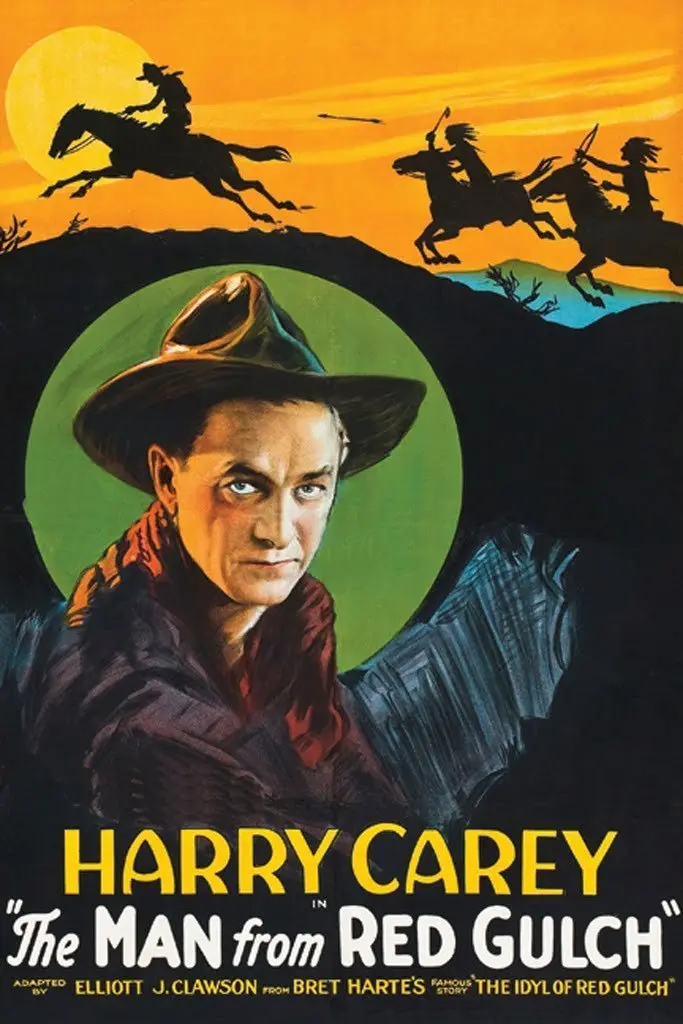
Director's Spotlight: United States
A Deep Dive into the 1925 Vision of Edmund Mortimer
In the grand tapestry of Western cinema, The Man from Red Gulch serves as a bridge between the bold experimentation that has become synonymous with Edmund Mortimer. Breaking the traditional rules of Western engagement, it highlights the importance of independent voices in United States.
In The Man from Red Gulch, Edmund Mortimer pushes the boundaries of conventional narrative. The film's unique approach to its subject matter has sparked endless debates and interpretations among cinephiles and critics alike.
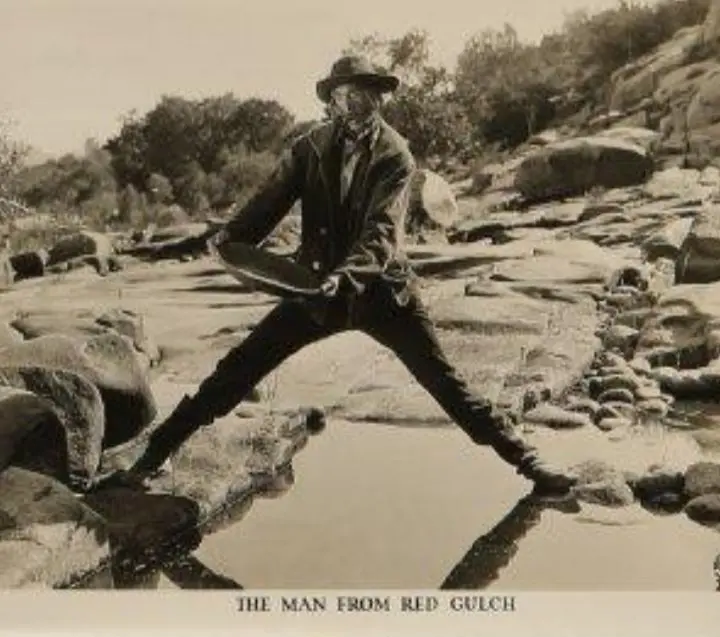
While deeply rooted in United States, The Man from Red Gulch has achieved a global reach, influencing directors from various backgrounds. Its ability to translate Western tropes into a universal cinematic language is why it remains a cult staple decades after its 1925 release.
| Cinematography | Static |
| Soundtrack | Diegetic |
| Editing | Elliptical |
| Art Direction | Expressionist |
Visualizing the convergence of Edmund Mortimer's style and the core Western narrative.
"In the days of the California Gold Rush of '49, Sandy is at odds with his partner, Falloner, over the latter's heavy drinking. Falloner is killed by Lasham, who many years before ran off with Falloner's wife. Sandy brings Falloner's children, Cissy and Jimmy, and their Aunt Betsey to Sacramento from Missouri. He then sets out to find the mother and to avenge his partner's death. Lasham induces Betsey to take the night boat for Sandy Bar with him, under the pretense of finding the children's mother. Sandy rides after them and swims to the steamer, arriving in time to save a frightened Betsey from Lasham. In a fight, Lasham is knocked overboard and drowns. The mother, who under the name Madame Le Blanc has been living with Lasham, helping him with his gambling and other nefarious schemes, becomes a novice in a convent. Sandy and Betsey are wed"--AFI catalog, 1921-1930.
Decades after its release, The Man from Red Gulch remains a vital piece of the cinematic puzzle. Its influence can be seen in countless modern works, solidifying Edmund Mortimer's status as a master of the craft in United States and beyond.