
DbcultAccessing Vault...
Director's Spotlight
Senior Film Conservator
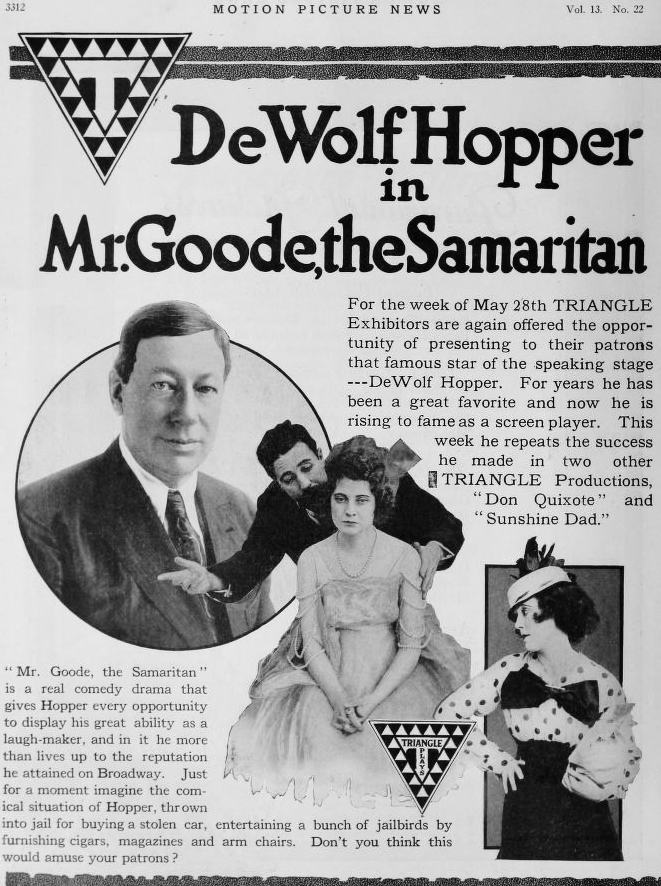
Director's Spotlight: United States
A Deep Dive into the 1916 Vision of Edward Dillon
To understand the modern evolution of United States film, one must first look at Mr. Goode, Samaritan and the collaborative alchemy between Edward Dillon and the 1916 creative team. Subverting the expectations of the typical 1916 audience, it remains a vital reference point for anyone studying the evolution of Edward Dillon.
In Mr. Goode, Samaritan, Edward Dillon pushes the boundaries of conventional narrative. The film's unique approach to its subject matter has sparked endless debates and interpretations among cinephiles and critics alike.
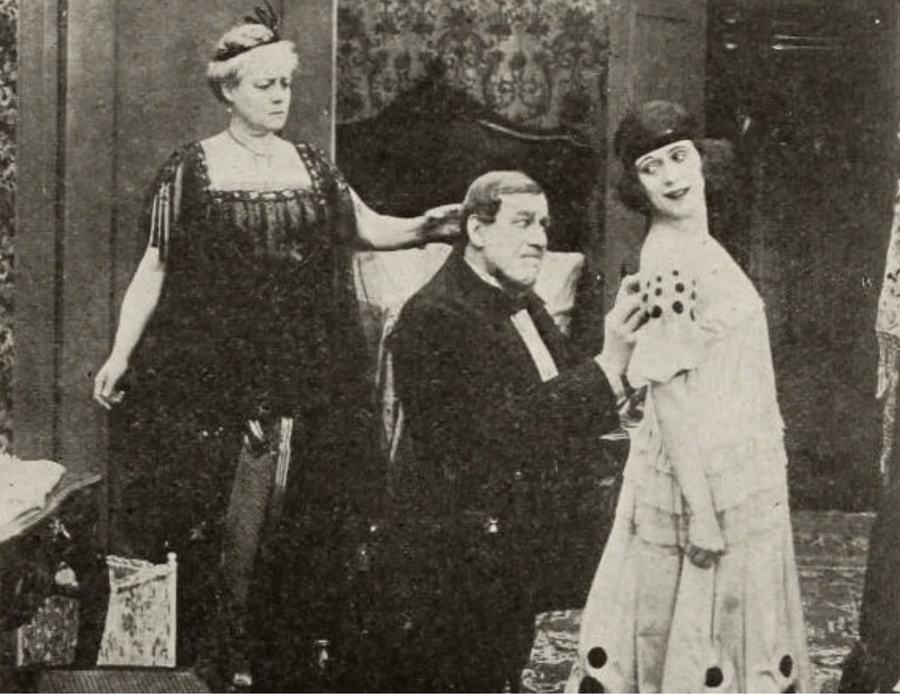
While deeply rooted in United States, Mr. Goode, Samaritan has achieved a global reach, influencing directors from various backgrounds. Its ability to translate cult tropes into a universal cinematic language is why it remains a cult staple decades after its 1916 release.
| Cinematography | Static |
| Soundtrack | Synth-Heavy |
| Editing | Disjunctive |
| Art Direction | Baroque |
Visualizing the convergence of Edward Dillon's style and the core cult narrative.
Mr. Goode, a wealthy old gentleman, takes his wife and daughter, Evelina, out for a spin in their automobile, but throwing in the wrong lever the machine backs into the side of the road and burns up. They continue their journey on foot. Meanwhile, Foxy Monte, a polished crook, has stolen a beautiful car that has been left standing at the curb in a nearby town, and as he whizzes by he sees the Goode family. He stops and offers them a lift. Of course, they gladly accept. And while the ride is continued he persuades Mr. Goode to buy the roadster. Mr. Goode is so easy, in fact, that Monte determines to impose on him again. When Goode is called out of town on business he makes the trip in his new machine. As an alarm has been sent out to the police by the original owner of the car he is immediately apprehended and thrown into jail. His family, believing he has been detained on business, make no inquiry about him, but go on entertaining Foxy Monte, who has come into their circle disguised by full beard and another alias. Ever making the best of his condition, Goode has the jail refurnished and otherwise contributes to the comfort of the inmates. Upon leaving at expiration of his sentence, he invites the jailbirds to come and visit him at the first opportunity. Shifty Ed and his best girl, Shorty Sal, come to the Goode home to pay that visit just as Mr. Goode is entertaining a very fashionable house party, Monte in the number. Sal recognizes Monte, and he, realizing he is in danger, informs the hostess that Ed and Sal are notorious crooks. Then he persuades Evelina, whose hand has been refused him by Mr. Goode, to elope with him. It is at this point that Ed Ed and Sal make a big return for the kindness of Mr. Goode, and there is a thrilling finish.
Decades after its release, Mr. Goode, Samaritan remains a vital piece of the cinematic puzzle. Its influence can be seen in countless modern works, solidifying Edward Dillon's status as a master of the craft in United States and beyond.