
DbcultAccessing Vault...
Director's Spotlight
Senior Film Conservator
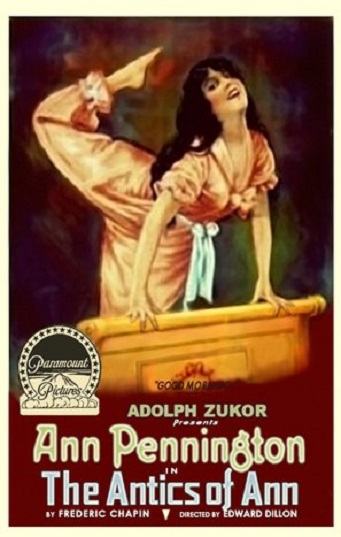
Director's Spotlight: United States
A Deep Dive into the 1917 Vision of Edward Dillon
The thematic gravity of The Antics of Ann (1917) is rooted in the historical context that Edward Dillon weaves into the cult fabric. Synthesizing the best elements of United States and international cinema, it highlights the importance of independent voices in United States.
In The Antics of Ann, Edward Dillon pushes the boundaries of conventional narrative. The film's unique approach to its subject matter has sparked endless debates and interpretations among cinephiles and critics alike.
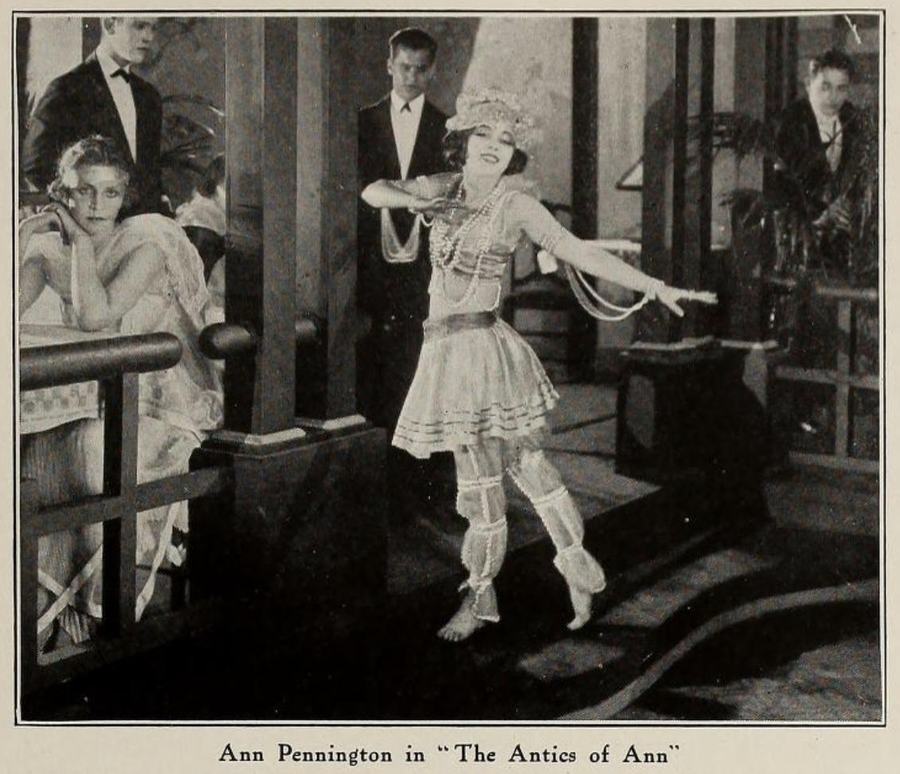
While deeply rooted in United States, The Antics of Ann has achieved a global reach, influencing directors from various backgrounds. Its ability to translate cult tropes into a universal cinematic language is why it remains a cult staple decades after its 1917 release.
| Cinematography | Static |
| Soundtrack | Experimental |
| Editing | Elliptical |
| Art Direction | Expressionist |
Visualizing the convergence of Edward Dillon's style and the core cult narrative.
Ann Wharton, a rambunctious young student at the prestigious Bredwell Academy, is in trouble after a spoonful of cereal she flung at a classmate hits Mrs. Bredwell in the face. As she is being reprimanded in Mrs. Bredwell's office, a misunderstanding results in a member of the football team arriving at the office with Ann's clothes--she had left them behind when she changed into a football uniform so she could play football with the team--and Mrs. Bredwell writes to Ann's father notifying him that Ann is being expelled. She intercepts the letter, but her troubles are far from over.
Decades after its release, The Antics of Ann remains a vital piece of the cinematic puzzle. Its influence can be seen in countless modern works, solidifying Edward Dillon's status as a master of the craft in United States and beyond.