
DbcultAccessing Vault...
Director's Spotlight
Senior Film Conservator
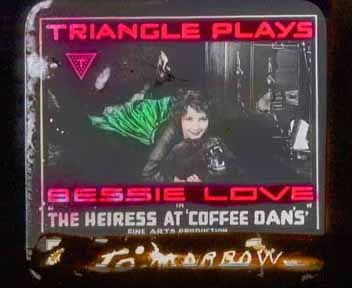
Director's Spotlight: United States
A Deep Dive into the 1916 Vision of Edward Dillon
As we revisit the 1916 masterpiece The Heiress at Coffee Dan's, we are struck by the atmospheric immersion that Edward Dillon achieves throughout The Heiress at Coffee Dan's. Exploring the nuances of the human condition with cult flair, it solidifies Edward Dillon's reputation as a master of the craft.
In The Heiress at Coffee Dan's, Edward Dillon pushes the boundaries of conventional narrative. The film's unique approach to its subject matter has sparked endless debates and interpretations among cinephiles and critics alike.
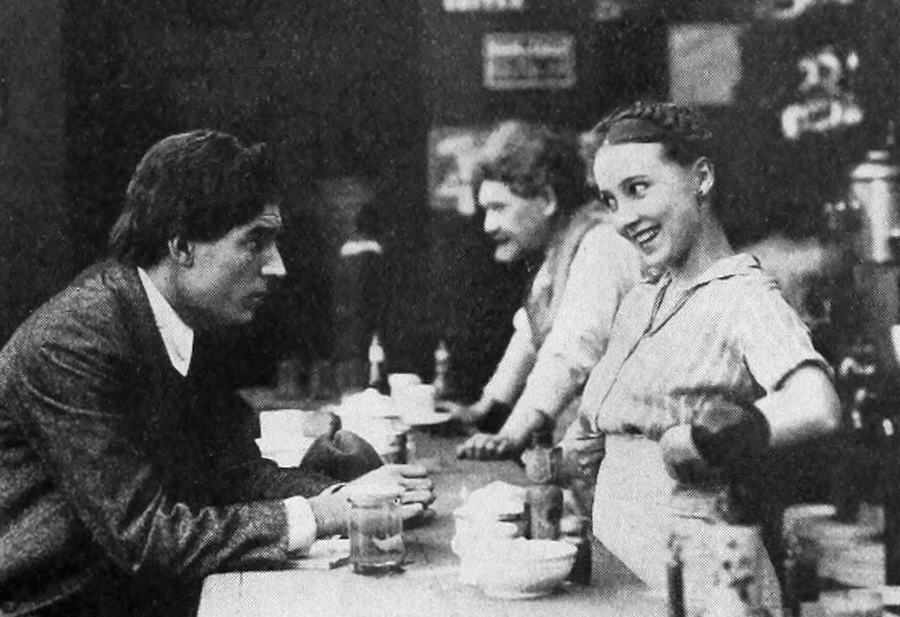
The visual language of The Heiress at Coffee Dan's is defined by its use of shadows and framing, a hallmark of Edward Dillon's style. By utilizing a 1916-era palette, the film creates an immersive experience that perfectly complements its cult themes.
| Cinematography | Static |
| Soundtrack | Diegetic |
| Editing | Rhythmic |
| Art Direction | Naturalist |
Visualizing the convergence of Edward Dillon's style and the core cult narrative.
"Waffles," the waitress at "Coffee Dan's" hash-house, is selected by Bert Gallagher and Clara Johnstone, a pair of crooks, to be represented as a missing heiress whose story they have read about in the papers. "Waffles" herself believes the story, as she was orphaned early and remembers little of her childhood, and by adroit coaching is able to convince the estate's none too bright lawyers of the validity of her claim. With this unlimited money, poor little "Waffles" nevertheless has only three desires: to buy the little restaurant for her old benefactor, Shorty Olson, to publish the music written by her lover, Carl Miller, a young, eccentric, absent-minded musical genius, and to adopt the baby that a Mrs. O'Shaughnessy is too poor to care for. But "Waffles" establishes Shorty Olson as chef in her mansion, and Miller is a frequent caller until Mrs. Johnstone in secret convinces him that it is his duty to give up the girl who is destined for high society. Without explaining to "Waffles," he discontinues his visits. Mrs. Johnstone is thus able to induce "Waffles" to promise to marry the crook, Gallagher, but just before the ceremony old Shorty Olson overhears a dispute between Gallagher and a gangster over loot, and thus discovers Gallagher's real character. Shorty Olson is caught eavesdropping, and the crooks shut him into the garage. Carl Miller has been mooning at the house of his lost love, and sees Shorty Olson put into the garage. He goes over and knocks out the gangster on guard and the liberated Shorty goes for the police and Carl goes for the marriage service, which has just begun. "Waffles" sees his face at the window and faints. She is revived and the service is begun again when Carl forces his way in and battles the bridegroom. The police arrive just in time, and the crooks go to jail. The lawyer comes with the real heiress, and "Waffles" goes back to the hash house. For the crooks' arrest the three are given a reward of $1,500, so Shorty Olson buys "Coffee Dan's." Carl publishes his music, and "Waffles" adopts Mrs. O'Shaughnessy's baby.
Decades after its release, The Heiress at Coffee Dan's remains a vital piece of the cinematic puzzle. Its influence can be seen in countless modern works, solidifying Edward Dillon's status as a master of the craft in United States and beyond.