
DbcultAccessing Vault...
Director's Spotlight
Senior Film Conservator
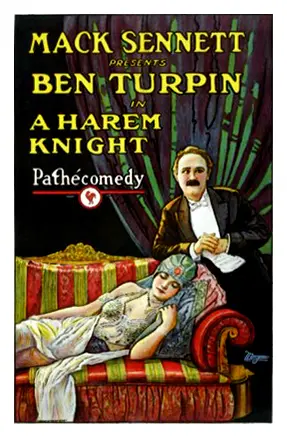
Director's Spotlight: United States
A Deep Dive into the 1926 Vision of Edward F. Cline
In the storied career of Edward F. Cline, A Harem Knight stands as a the provocative questions that Edward F. Cline poses to the United States audience. Elevating the source material through Edward F. Cline's unique vision, it persists as a haunting reminder of our own cinematic history.
In A Harem Knight, Edward F. Cline pushes the boundaries of conventional narrative. The film's unique approach to its subject matter has sparked endless debates and interpretations among cinephiles and critics alike.
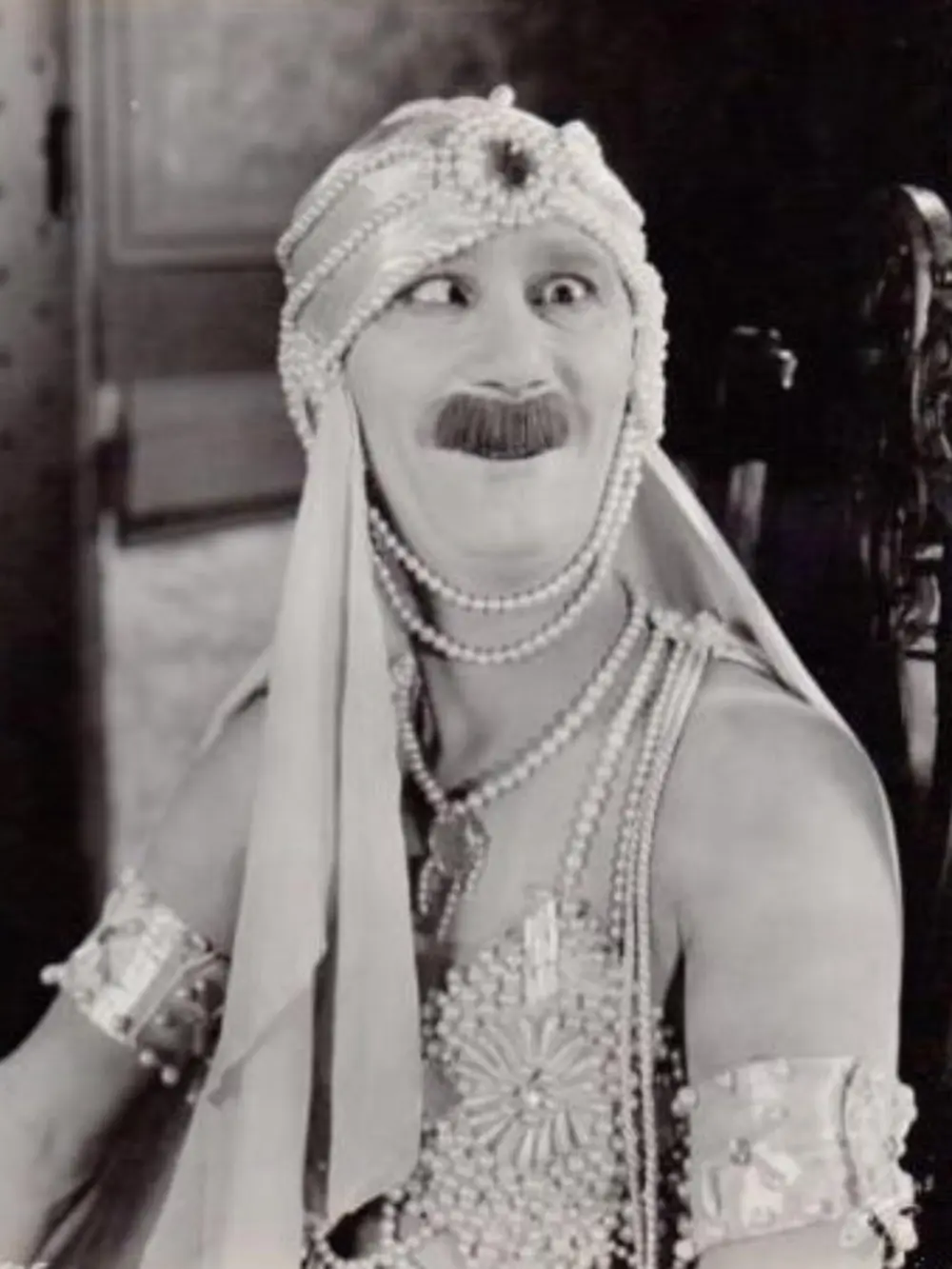
The visual language of A Harem Knight is defined by its use of shadows and framing, a hallmark of Edward F. Cline's style. By utilizing a 1926-era palette, the film creates an immersive experience that perfectly complements its Comedy themes.
| Cinematography | Static |
| Soundtrack | Orchestral |
| Editing | Invisible |
| Art Direction | Kitsch |
Visualizing the convergence of Edward F. Cline's style and the core Comedy narrative.
A pretty harem girl is rescued by a U. S. Navy officer. Whilst fleeing from the guards the girl takes refuge in the rooms of the notorious Rodney St. Clair, an erring Knight, who is proud of his long list of feminine conquests. But the Navy officer again comes to her rescue, and Sir Rodney is left to marry the harem's fattest woman after she puts a love potion in his drink.
Decades after its release, A Harem Knight remains a vital piece of the cinematic puzzle. Its influence can be seen in countless modern works, solidifying Edward F. Cline's status as a master of the craft in United States and beyond.