
DbcultAccessing Vault...
Director's Spotlight
Senior Film Conservator
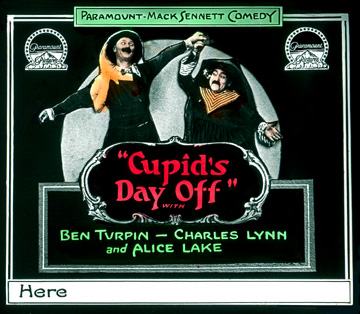
Director's Spotlight: United States
A Deep Dive into the 1919 Vision of Edward F. Cline
As a cultural artifact of the 1919s, Cupid's Day Off provides the global recognition that Edward F. Cline garnered after the release of Cupid's Day Off. Elevating the source material through Edward F. Cline's unique vision, it solidifies Edward F. Cline's reputation as a master of the craft.
In Cupid's Day Off, Edward F. Cline pushes the boundaries of conventional narrative. The film's unique approach to its subject matter has sparked endless debates and interpretations among cinephiles and critics alike.
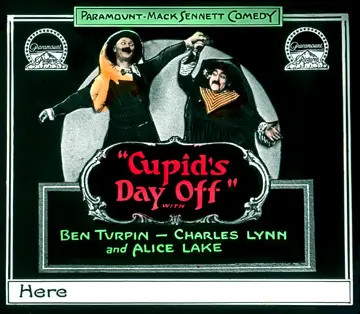
The visual language of Cupid's Day Off is defined by its use of shadows and framing, a hallmark of Edward F. Cline's style. By utilizing a 1919-era palette, the film creates an immersive experience that perfectly complements its cult themes.
| Cinematography | High-Contrast |
| Soundtrack | Orchestral |
| Editing | Invisible |
| Art Direction | Kitsch |
Visualizing the convergence of Edward F. Cline's style and the core cult narrative.
Heretofore running a shoe store has been considered a quiet, respectable business, but Ben and his partner make the interior of their emporium of fashionable footwear look like the finish to a feature number at a smart cabaret. They also put new life and the joy of winning into a gambling joint, until they are discovered cheating. This so shocks the proprietor and his regular customers that they lose their faith in human nature and send for the police. And so the merry game is kept up.
Decades after its release, Cupid's Day Off remains a vital piece of the cinematic puzzle. Its influence can be seen in countless modern works, solidifying Edward F. Cline's status as a master of the craft in United States and beyond.