
DbcultAccessing Vault...
Director's Spotlight
Senior Film Conservator
Director's Spotlight: United States
A Deep Dive into the 1921 Vision of Edward F. Cline
As a cultural artifact of the 1921s, His Meal Ticket provides the global recognition that Edward F. Cline garnered after the release of His Meal Ticket. Elevating the source material through Edward F. Cline's unique vision, it solidifies Edward F. Cline's reputation as a master of the craft.
In His Meal Ticket, Edward F. Cline pushes the boundaries of conventional narrative. The film's unique approach to its subject matter has sparked endless debates and interpretations among cinephiles and critics alike.
In this work, Edward F. Cline explores the intersection of Comedy and United States cultural identity. The meticulous attention to detail suggests a deep-seated commitment to pushing the boundaries of the medium, ensuring that His Meal Ticket remains a relevant topic of study for Comedy enthusiasts.
| Cinematography | Deep Focus |
| Soundtrack | Minimalist |
| Editing | Disjunctive |
| Art Direction | Baroque |
Visualizing the convergence of Edward F. Cline's style and the core Comedy narrative.
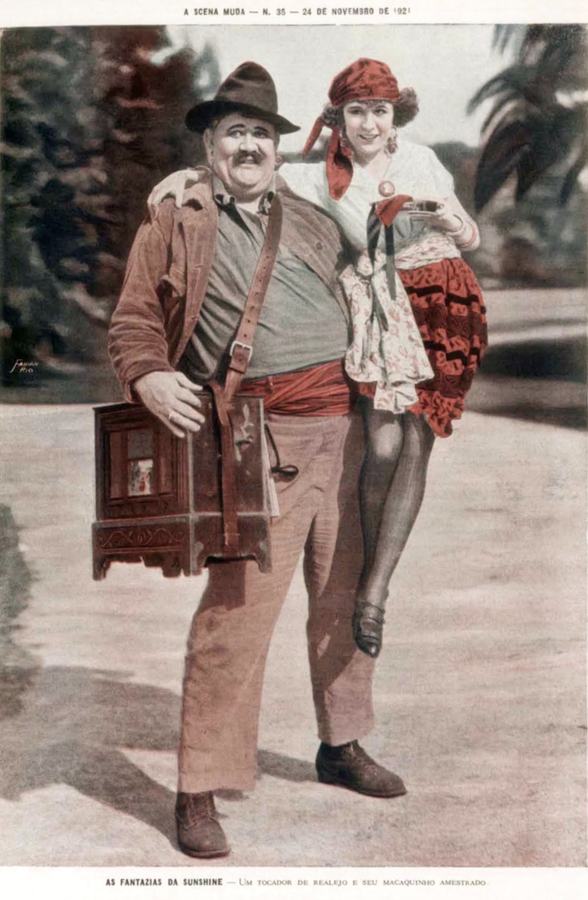
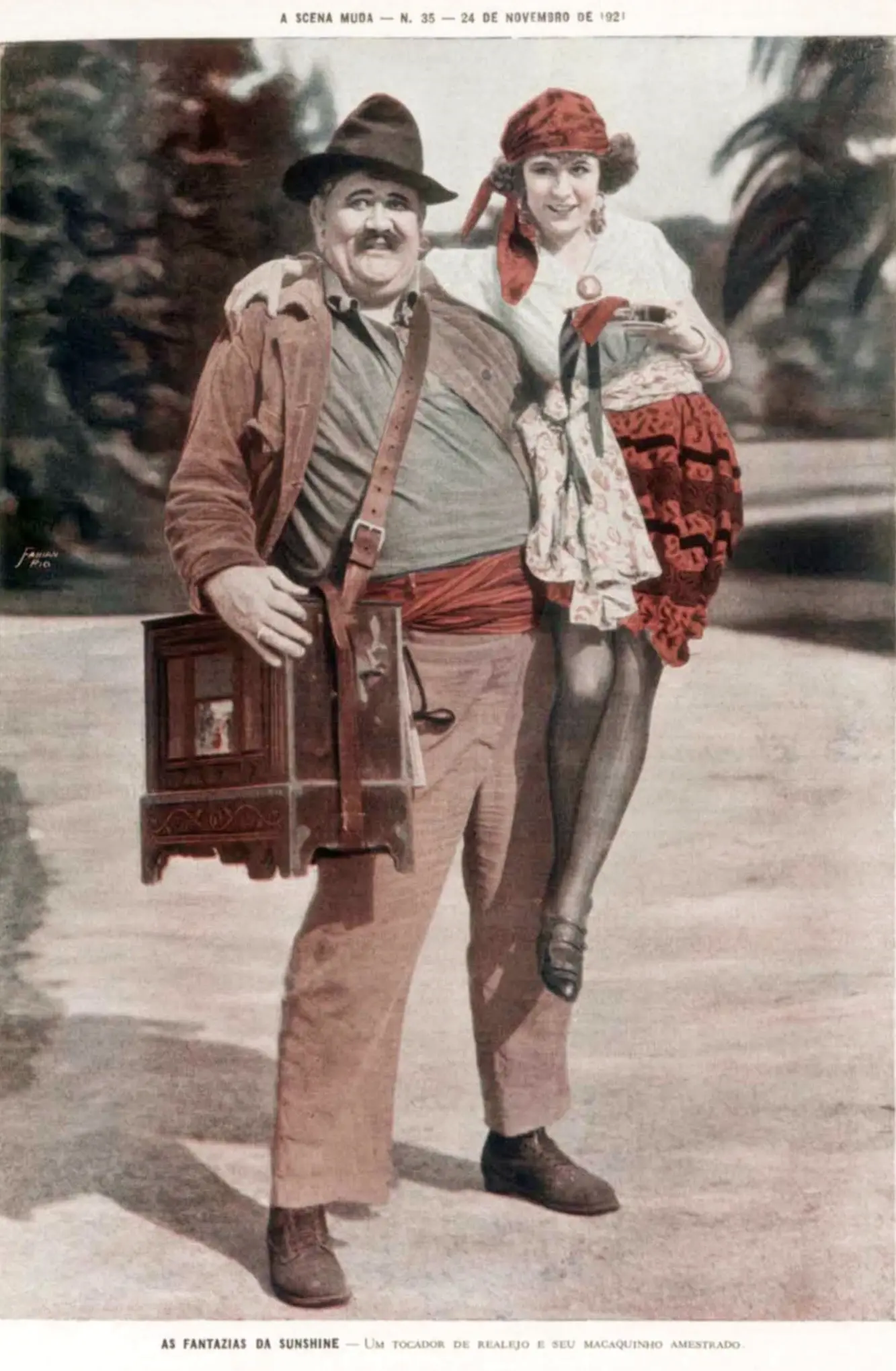
Bobby hires himself out as a pet monkey to an organ grinder who has an attractive dancing girl for an assistant. A monkey of about Bobby's size and build escapes from a cage in the city hospital, where it was being held for an experimental operation. Bobby is taken for the escaped monkey and instead of giving him pennies, everyone runs away from him. Finally Bobby hides in the cage in the hospital that held the escaped monkey. He lands on the operating table, but an orderly breaks a tube of laughing gas and the operation has to be called off.
Decades after its release, His Meal Ticket remains a vital piece of the cinematic puzzle. Its influence can be seen in countless modern works, solidifying Edward F. Cline's status as a master of the craft in United States and beyond.