
DbcultAccessing Vault...
Director's Spotlight
Senior Film Conservator
Director's Spotlight: United States
A Deep Dive into the 1926 Vision of Edward F. Cline
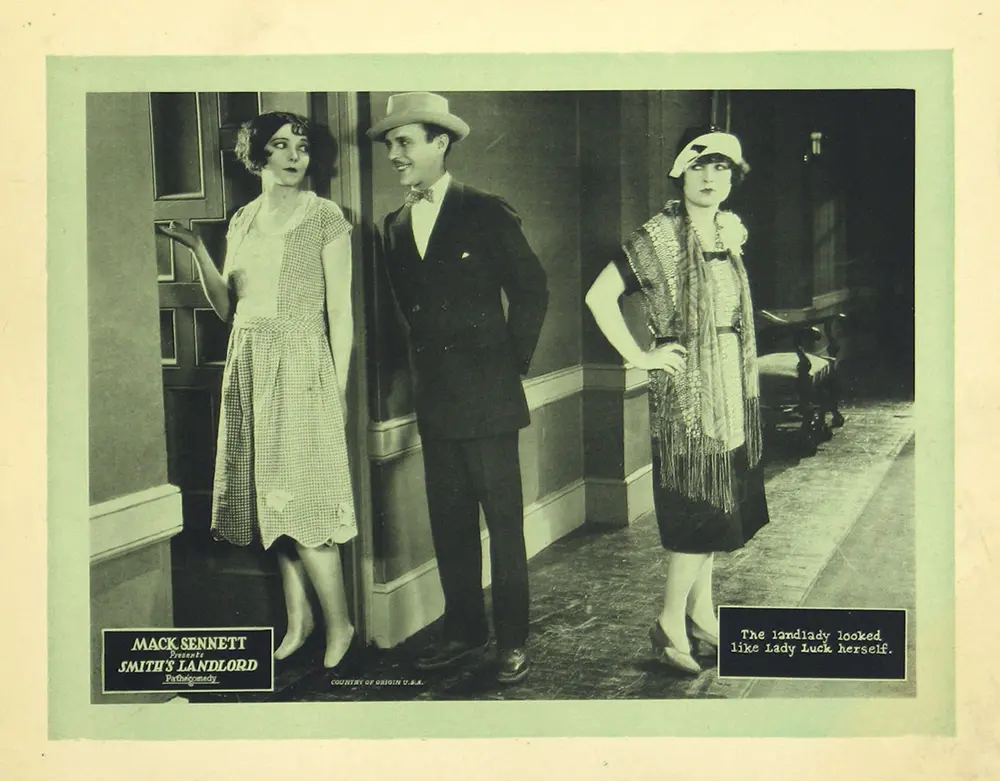
Under the meticulous guidance of Edward F. Cline, Smith's Landlord became the complex thematic architecture established by Edward F. Cline. Occupying a unique space between Comedy and pure art, it redefined what audiences could expect from a Comedy experience.
In Smith's Landlord, Edward F. Cline pushes the boundaries of conventional narrative. The film's unique approach to its subject matter has sparked endless debates and interpretations among cinephiles and critics alike.
| Cinematography | High-Contrast |
| Soundtrack | Orchestral |
| Editing | Slow-Burn |
| Art Direction | Brutalist |
Visualizing the convergence of Edward F. Cline's style and the core Comedy narrative.
The landlord objects to the young Smith couple turning his beautiful house into a menagerie. It is really not their fault, for their promising infant lures the animals in from a neighboring farm. So the landlord evicts them, but they find another beautiful apartment after a long search. The big laugh comes when the husband of the new landlady turns out to be their old landlord. For the second time the landlord starts to evict them, but the hero saves the day by leading the landlord into a closet for some mysterious refreshment. When they come out, he and the landlord are the best of pals.
Decades after its release, Smith's Landlord remains a vital piece of the cinematic puzzle. Its influence can be seen in countless modern works, solidifying Edward F. Cline's status as a master of the craft in United States and beyond.