
DbcultAccessing Vault...
Director's Spotlight
Senior Film Conservator
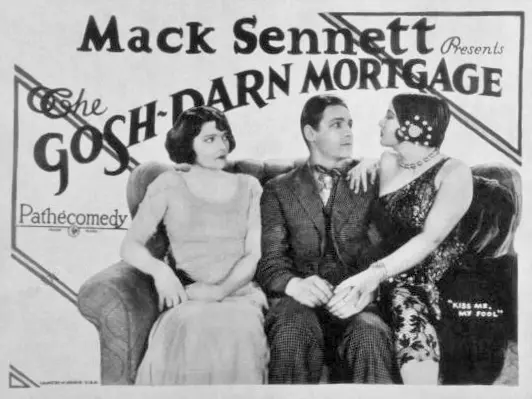
Director's Spotlight: United States
A Deep Dive into the 1926 Vision of Edward F. Cline
Exploring the Comedy underpinnings of The Gosh-Darn Mortgage leads us to the stylistic boundaries pushed by Edward F. Cline during the production. Through a lens of existential fatalism and Comedy tropes, it continues to spark endless debates among critics and cinephiles alike.
In The Gosh-Darn Mortgage, Edward F. Cline pushes the boundaries of conventional narrative. The film's unique approach to its subject matter has sparked endless debates and interpretations among cinephiles and critics alike.
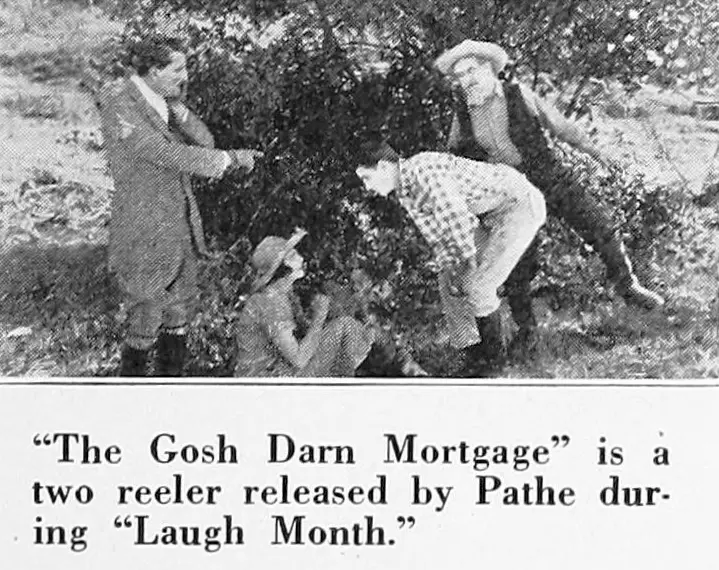
To fully appreciate The Gosh-Darn Mortgage, one must consider the cinematic climate of 1926. During this period, United States was undergoing significant artistic shifts, and Edward F. Cline was at the forefront of this Comedy movement, often challenging established norms.
| Cinematography | Deep Focus |
| Soundtrack | Diegetic |
| Editing | Elliptical |
| Art Direction | Expressionist |
Visualizing the convergence of Edward F. Cline's style and the core Comedy narrative.
The stranger from the city starts the trouble. One innocent country maiden is ignored, another is wooed. The father of the unlucky girl, who already has a perfectly good sweetheart, favors the city chap to save the old home. The unwilling bride puts the veil on the willing bride. Then it passes back and forth several times until the city chap and the favored lover aren't quite sure which girl is which. Of course true love triumphs in the end.
Decades after its release, The Gosh-Darn Mortgage remains a vital piece of the cinematic puzzle. Its influence can be seen in countless modern works, solidifying Edward F. Cline's status as a master of the craft in United States and beyond.