
DbcultAccessing Vault...
Director's Spotlight
Senior Film Conservator
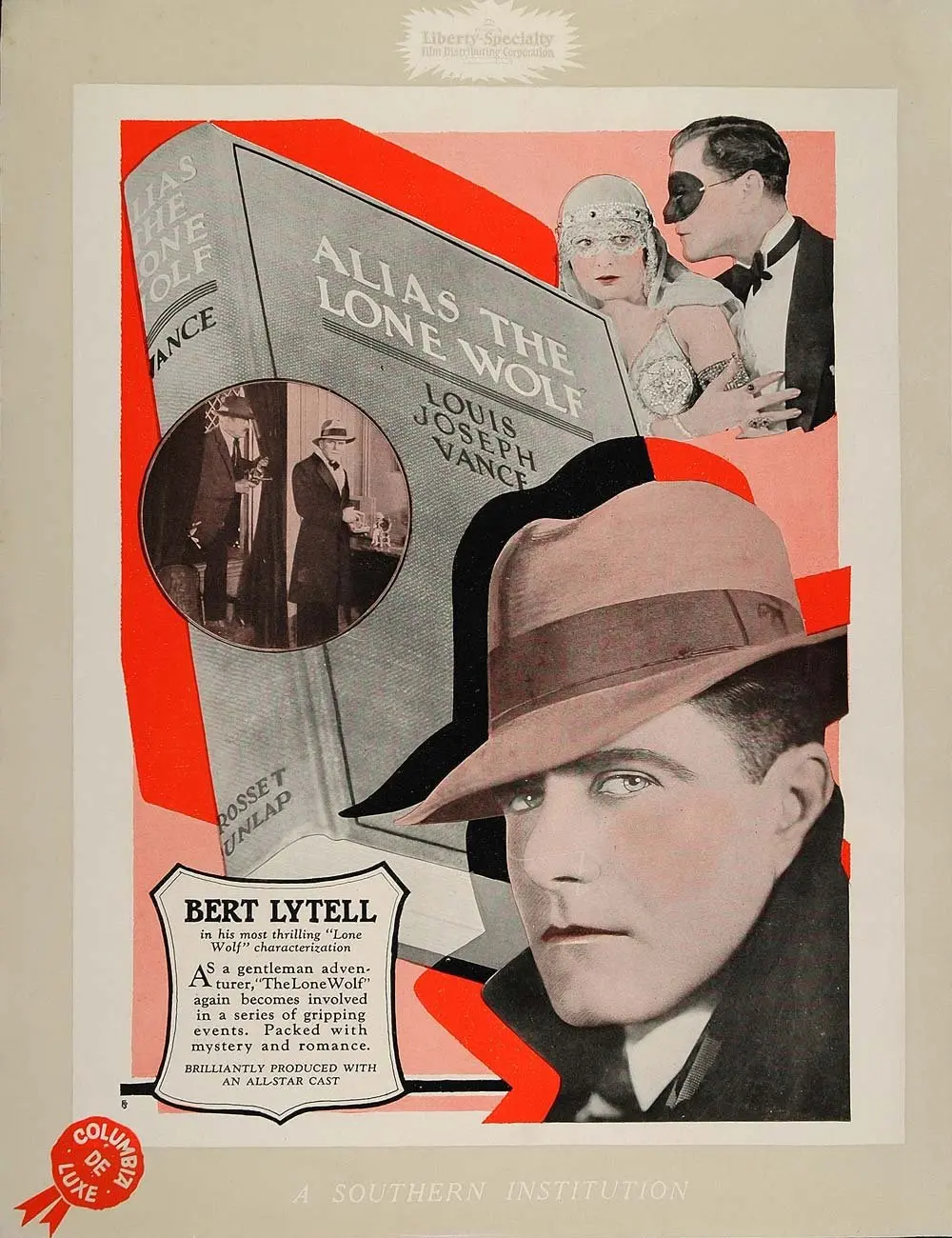
Director's Spotlight: United States
A Deep Dive into the 1927 Vision of Edward H. Griffith
In the grand tapestry of Romance cinema, Alias the Lone Wolf serves as a bridge between the bold experimentation that has become synonymous with Edward H. Griffith. Breaking the traditional rules of Romance engagement, it highlights the importance of independent voices in United States.
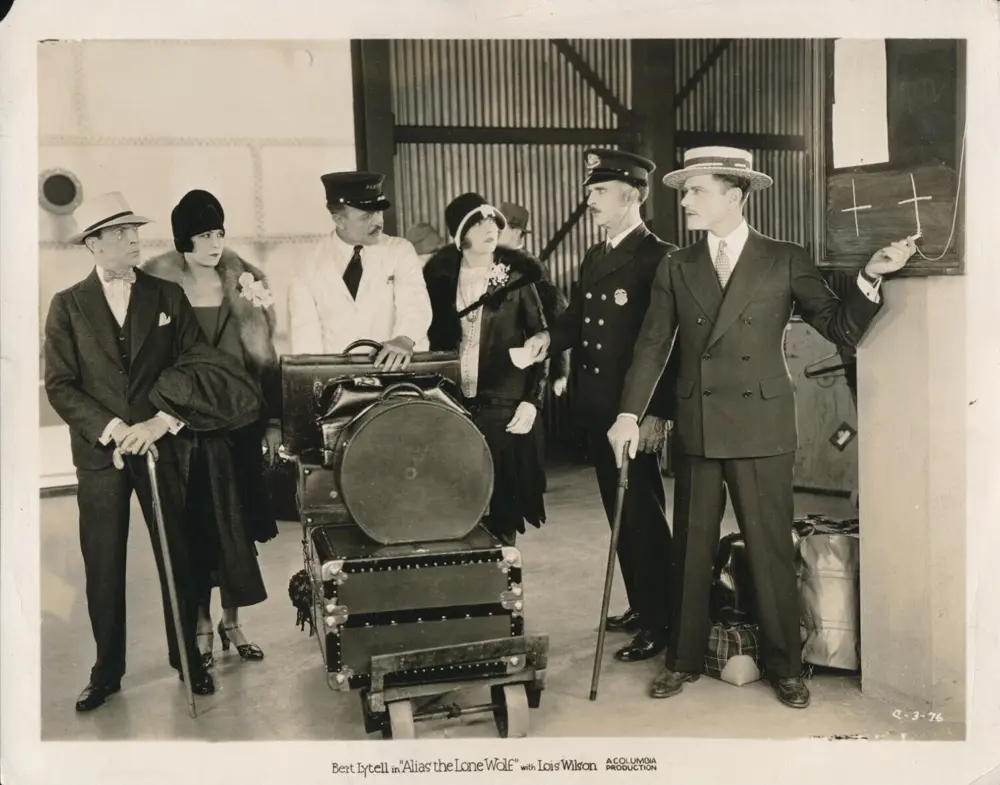
In Alias the Lone Wolf, Edward H. Griffith pushes the boundaries of conventional narrative. The film's unique approach to its subject matter has sparked endless debates and interpretations among cinephiles and critics alike.
| Cinematography | Handheld |
| Soundtrack | Diegetic |
| Editing | Elliptical |
| Art Direction | Expressionist |
Visualizing the convergence of Edward H. Griffith's style and the core Romance narrative.
When Eve De Montalais (Lois Wilson) plans to smuggle her jewels into the United States, unknown to her traveling on the same ship are a gang of thieves who plan to steal the jewels. Michael Lanyard (Bert Lytell), alias The Lone Wolf, upsets their scheming and Eve seeks his aid in getting the gems past customs officials. While at a New York nightclub, Eve is informed that Lanyard is The Lone Wolf. She is then duped by a crook who assumes the role of a customs officer and induces her to turn over the jewels, Eve then escapes upon discovering the deception. Lanyard is overpowered by the gang but manages to free himself and declares the jewels to customs officials, who then promptly arrest the thieves. Eve is relieved to find that Lanyard is a Secret Service agent, and the lovers are reunited.
Decades after its release, Alias the Lone Wolf remains a vital piece of the cinematic puzzle. Its influence can be seen in countless modern works, solidifying Edward H. Griffith's status as a master of the craft in United States and beyond.