
DbcultAccessing Vault...
Director's Spotlight
Senior Film Conservator
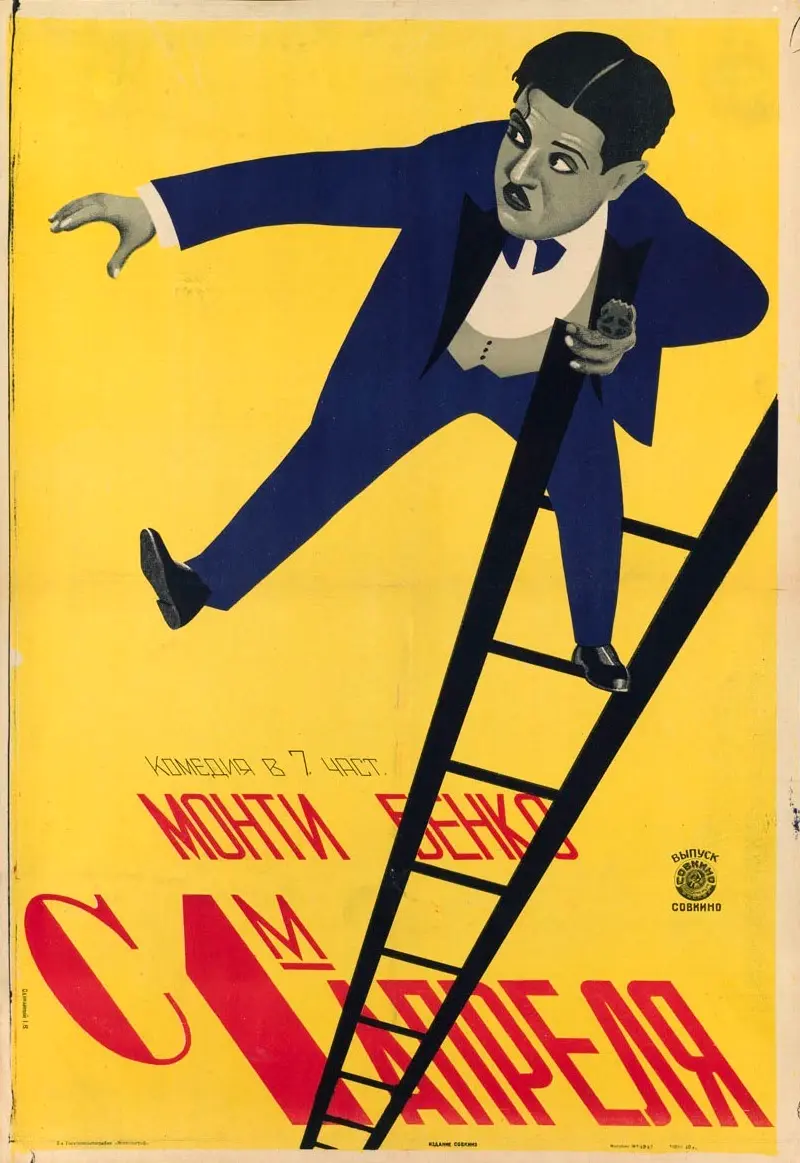
Director's Spotlight: United States
A Deep Dive into the 1926 Vision of Edward H. Griffith
The brilliance of Atta Boy (1926) is inseparable from a monumental shift in Action filmmaking spearheaded by Edward H. Griffith. Occupying a unique space between Action and pure art, it serves as a blueprint for future generations of Action directors.
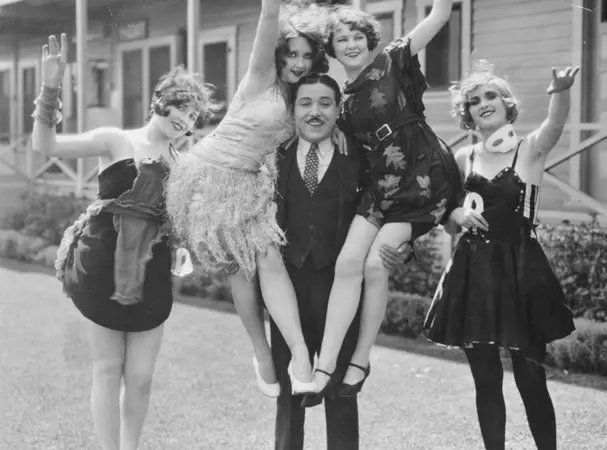
In Atta Boy, Edward H. Griffith pushes the boundaries of conventional narrative. The film's unique approach to its subject matter has sparked endless debates and interpretations among cinephiles and critics alike.
| Cinematography | Handheld |
| Soundtrack | Synth-Heavy |
| Editing | Disjunctive |
| Art Direction | Baroque |
Visualizing the convergence of Edward H. Griffith's style and the core Action narrative.
Monty Milde, a copy boy on a large daily newspaper in New York, dreams of becoming a real reporter. On his birthday, which is April 1st (April Fool's Day), a practical joker tells him he has been promoted to being a reporter, and sends him out to interview Mr. Harrie, who is furious because the newspaper has printed a story suggesting that domestic problems was behind the kidnapping of his young son. Monty goes through several ordeals, including being suspected of being the kidnapper, before he eventually unmasks the real kidnapper and recovers the child.
Decades after its release, Atta Boy remains a vital piece of the cinematic puzzle. Its influence can be seen in countless modern works, solidifying Edward H. Griffith's status as a master of the craft in United States and beyond.