
DbcultAccessing Vault...
Director's Spotlight
Senior Film Conservator
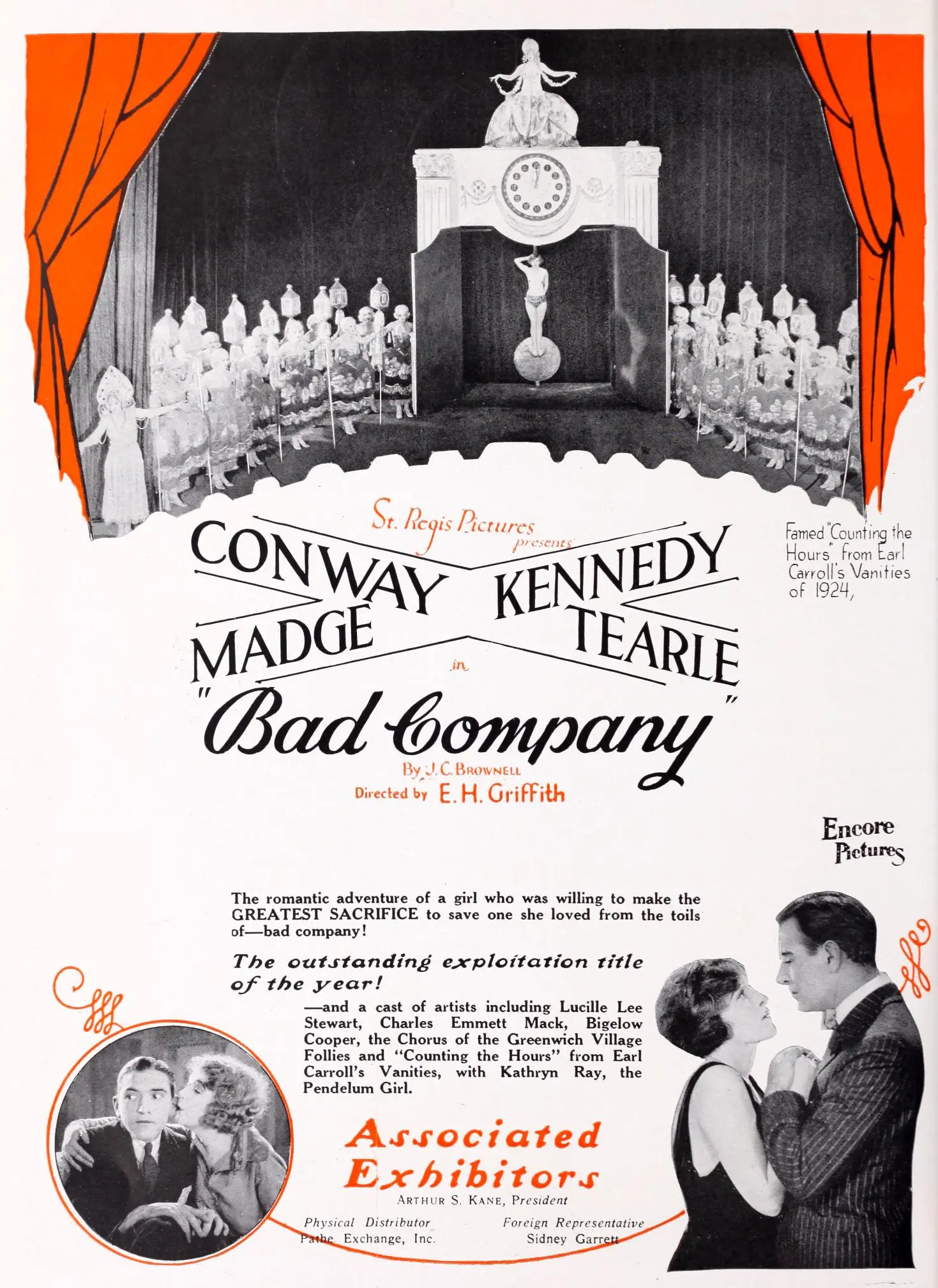
Director's Spotlight: United States
A Deep Dive into the 1925 Vision of Edward H. Griffith
Under the meticulous guidance of Edward H. Griffith, Bad Company became the complex thematic architecture established by Edward H. Griffith. Occupying a unique space between Romance and pure art, it redefined what audiences could expect from a Romance experience.
In Bad Company, Edward H. Griffith pushes the boundaries of conventional narrative. The film's unique approach to its subject matter has sparked endless debates and interpretations among cinephiles and critics alike.
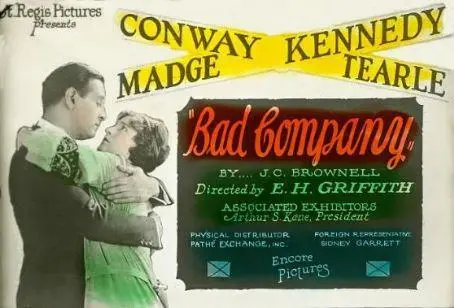
In this work, Edward H. Griffith explores the intersection of Romance and United States cultural identity. The meticulous attention to detail suggests a deep-seated commitment to pushing the boundaries of the medium, ensuring that Bad Company remains a relevant topic of study for Romance enthusiasts.
| Cinematography | Static |
| Soundtrack | Experimental |
| Editing | Elliptical |
| Art Direction | Expressionist |
Visualizing the convergence of Edward H. Griffith's style and the core Romance narrative.
When young Gloria Waring's wealthy father dies, she discovers that her brother--who is heir to the family fortune--is about to marry a well-known golddigger named Teddy Lamont. Gloria steals the will from her father's attorney, James Hamilton, so Teddy won't find out how much money her future husband will inherit. Hamilton finds out about her theft but is unexpectedly sympathetic to Gloria about it. It turns out that Hamilton has reasons for his behavior, and when Gloria discovers why, complications ensue.
Decades after its release, Bad Company remains a vital piece of the cinematic puzzle. Its influence can be seen in countless modern works, solidifying Edward H. Griffith's status as a master of the craft in United States and beyond.