
DbcultAccessing Vault...
Director's Spotlight
Senior Film Conservator
Director's Spotlight: United States
A Deep Dive into the 1915 Vision of Edward José
Deciphering the layers of Nedra (1915) reveals a monumental shift in cult filmmaking spearheaded by Edward José. With its avant-garde structure and atmospheric tension, offering layers of thematic complexity that demand repeated viewing.
In Nedra, Edward José pushes the boundaries of conventional narrative. The film's unique approach to its subject matter has sparked endless debates and interpretations among cinephiles and critics alike.
While deeply rooted in United States, Nedra has achieved a global reach, influencing directors from various backgrounds. Its ability to translate cult tropes into a universal cinematic language is why it remains a cult staple decades after its 1915 release.
| Cinematography | Handheld |
| Soundtrack | Synth-Heavy |
| Editing | Disjunctive |
| Art Direction | Baroque |
Visualizing the convergence of Edward José's style and the core cult narrative.
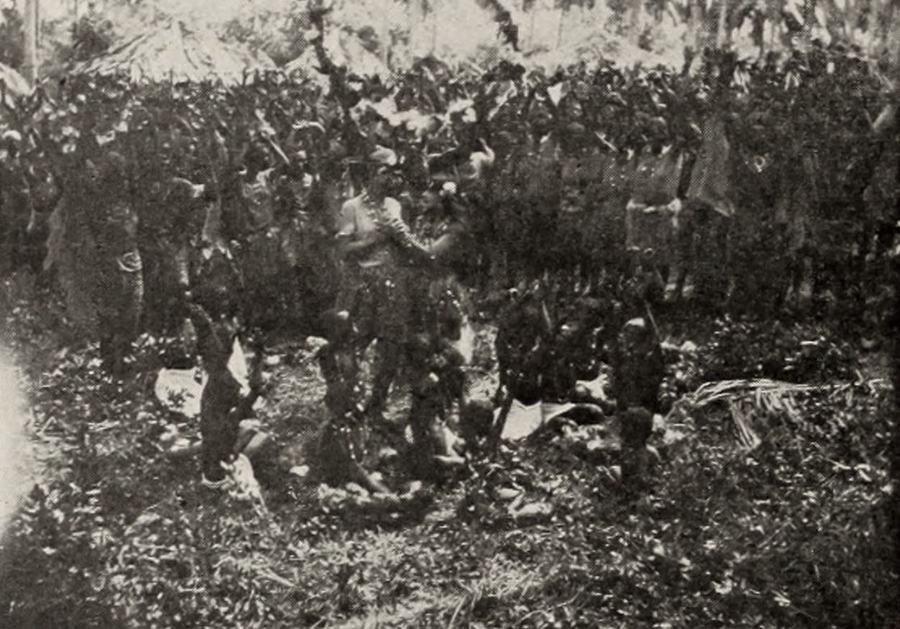
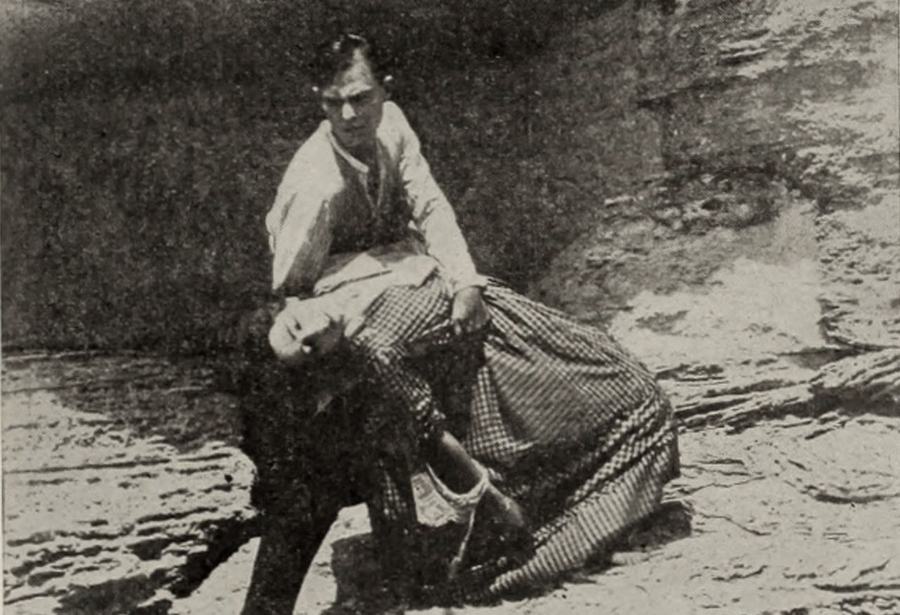
When two love-sick young people run off to be married, and aren't caught, they usually get married. It was different with Grace Vernon and Hugh Ridgway, though. Worn out by the social affairs given in honor of their approaching marriage, they elope in the wee small hours of a certain summer morning, and being mistaken for housebreakers by the gardener and other members of the household, are pursued. A couple of cops as added starters make the chase even more interesting, and they don't breathe easily until, a couple of hours after climbing a rope ladder up the side of an ocean liner, they come out from their hiding place and find themselves at sea. Not nearly so much "at sea" then, however, as later, when Hugh finds that Grace is much smitten with Henry Veath, an old-time friend of his. Hugh cares nothing about the fact that Lady Tenny, another passenger, seems to care more for his society than for anyone else. Comes a typhoon, the ship is dashed on the rocks, and in the ensuing darkness and panic Hugh makes a brave attempt to save one who clings closely to him, one he thinks to be Grace. Then blackness, and with returning consciousness and the light, the realization that he is cast away on a strange tropical isle, the isle of Nedra, with Lady Tenny. Add to this that they are found and worshiped as two gods by the savage natives of the isle; that their enforced wedding is interrupted by the landing of a U.S. ship; that Hugh goes home only to find Grace married to Veath; that he finds that he doesn't care a particle; that he rushes back to Lady Tenny, and you have just a bare conception of this romantic love story.
Decades after its release, Nedra remains a vital piece of the cinematic puzzle. Its influence can be seen in countless modern works, solidifying Edward José's status as a master of the craft in United States and beyond.