
DbcultAccessing Vault...
Director's Spotlight
Senior Film Conservator
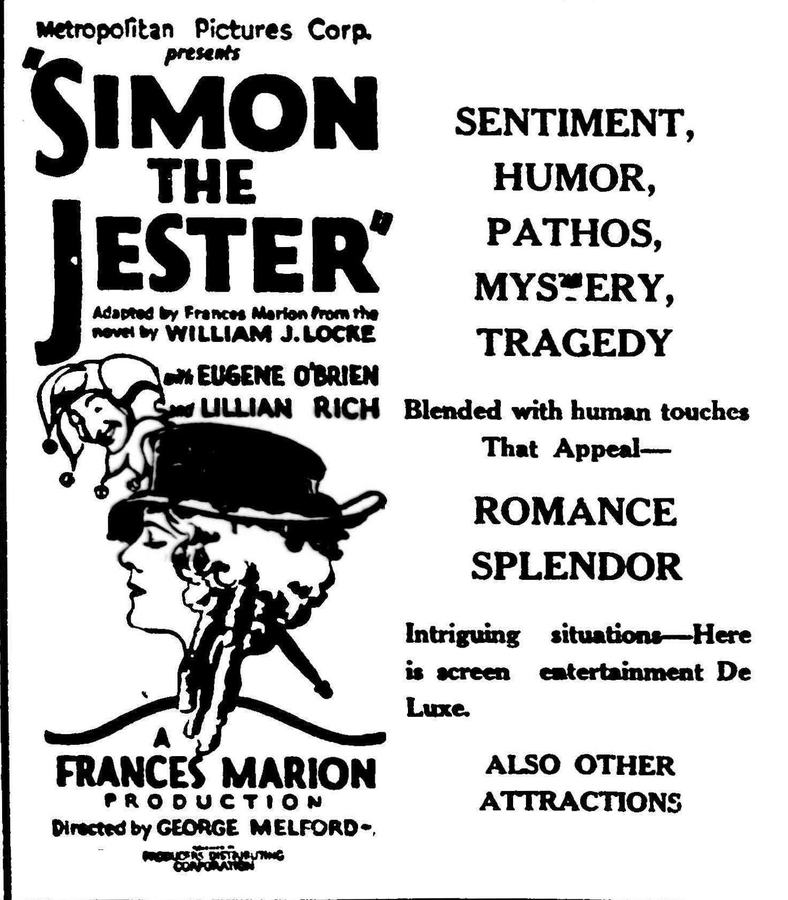
Director's Spotlight: United States
A Deep Dive into the 1915 Vision of Edward José
As we revisit the 1915 masterpiece Simon, the Jester, we are struck by the meticulous attention to detail that Edward José applied to every frame. Anchored by a narrative that is both personal and universal, it bridges the gap between traditional cult and contemporary vision.
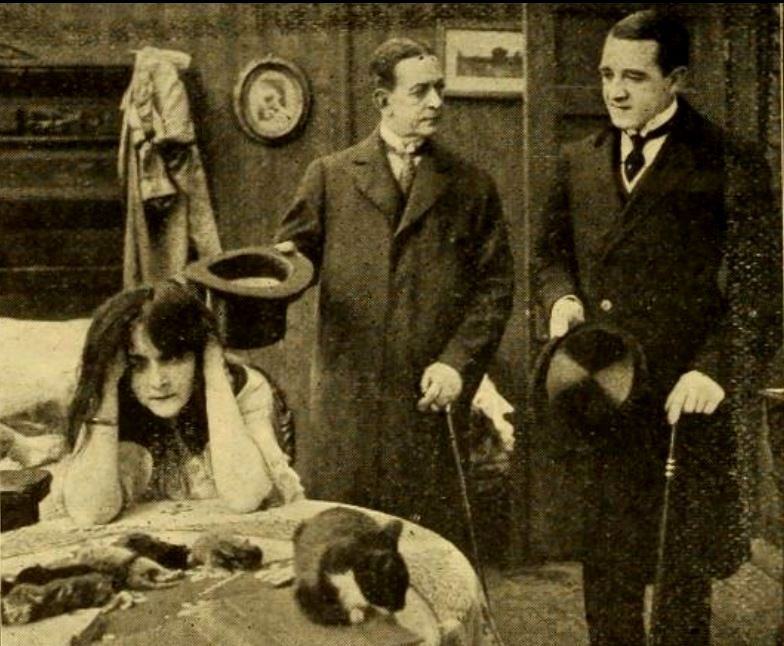
In Simon, the Jester, Edward José pushes the boundaries of conventional narrative. The film's unique approach to its subject matter has sparked endless debates and interpretations among cinephiles and critics alike.
| Cinematography | Handheld |
| Soundtrack | Experimental |
| Editing | Invisible |
| Art Direction | Kitsch |
Visualizing the convergence of Edward José's style and the core cult narrative.
Learning he has six months to live, the wealthy Simon De Gex decides to tell no one of his impending death and to spend his fortune madly. He breaks off his engagement to Eleanor Faversham, then is approached in a park by a dwarf and enlisted in a plot to kill the deserting husband of the beautiful Lola, a cat trainer at the London Hippodrome. The murder plans are carried out in Paris; the dwarf stabs Lola's husband and Simon departs, only to be overcome by his sickness. Selflessly Lola nurses him back to health, but, ridiculed as low-class by Eleanor and Dale, Simon's secretary, she returns to the theater. Cured by a daring operation, Simon sets out to find Lola. His search is rewarded but coincides with the reappearance of the demented dwarf. In a fury of rejection, the dwarf accidentally blinds his beloved. Simon devotes himself to Lola, but she resists his proposals until a second miraculous operation restores her eyesight and frees her to marry in good conscience.
Decades after its release, Simon, the Jester remains a vital piece of the cinematic puzzle. Its influence can be seen in countless modern works, solidifying Edward José's status as a master of the craft in United States and beyond.