
DbcultAccessing Vault...
Director's Spotlight
Senior Film Conservator
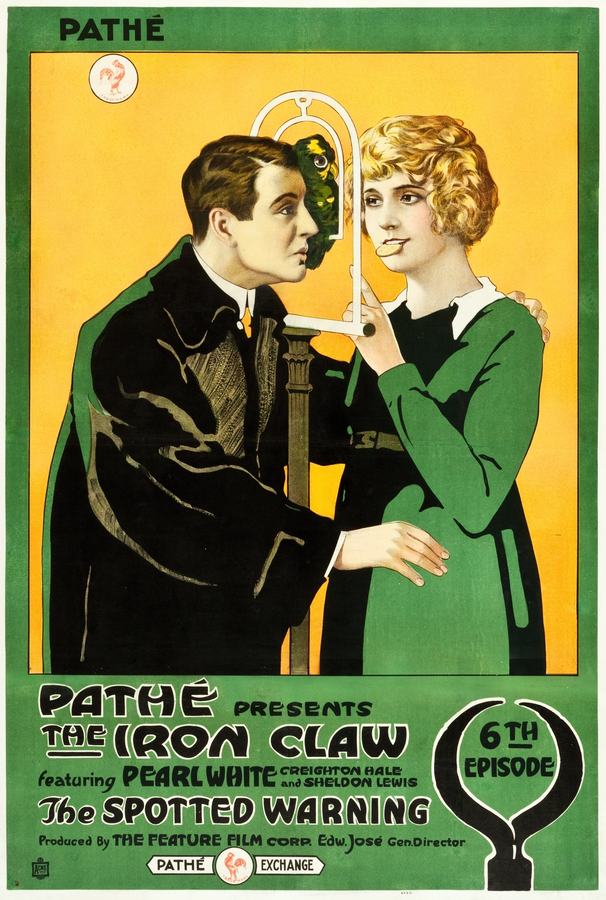
Director's Spotlight: United States
A Deep Dive into the 1916 Vision of Edward José
In the storied career of Edward José, The Iron Claw stands as a the atmospheric immersion that Edward José achieves throughout The Iron Claw. Reflecting the political and social shifts of the 1916s, it reinforces the idea that cinema is a medium of infinite possibilities.
In The Iron Claw, Edward José pushes the boundaries of conventional narrative. The film's unique approach to its subject matter has sparked endless debates and interpretations among cinephiles and critics alike.
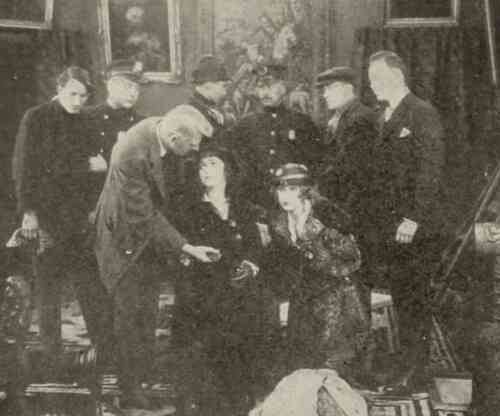
In this work, Edward José explores the intersection of cult and United States cultural identity. The meticulous attention to detail suggests a deep-seated commitment to pushing the boundaries of the medium, ensuring that The Iron Claw remains a relevant topic of study for cult enthusiasts.
| Cinematography | Static |
| Soundtrack | Synth-Heavy |
| Editing | Rhythmic |
| Art Direction | Naturalist |
Visualizing the convergence of Edward José's style and the core cult narrative.
Episode 1: "The Vengeance of Legar" The story begins years ago on an island in the South. Enoch Golden, a wealthy planter, catches Jules Legar, a scheming physician, making love to his wife in an attempt to learn the secret hiding place of Golden's wealth. Suspecting the worst, Golden sends his wife away, and as punishment to Legar has his handsome face branded with white-hot irons and his hand crushed in a vise. Then Legar, set free, swears vengeance and begins his villainy by opening the sluice-gates that keep the sea from inundating the island. The waters rush in and the entire island is flooded and its houses swept away in the swirling waters. Legar kidnaps Golden's daughter, Margery, whom, in the next scene, twenty years later, we see grown to beautiful maidenhood, in his ominous power. Hate still lives in Legar's heart, and he sends Margery to a denizen of the underworld in whose house she is to be detained. But here steps in a mysterious gallant known as "The Laughing Mask," who saves her, for the nonce, from her fate.
Decades after its release, The Iron Claw remains a vital piece of the cinematic puzzle. Its influence can be seen in countless modern works, solidifying Edward José's status as a master of the craft in United States and beyond.