
DbcultAccessing Vault...
Director's Spotlight
Senior Film Conservator
Director's Spotlight: United States
A Deep Dive into the 1919 Vision of Edward José
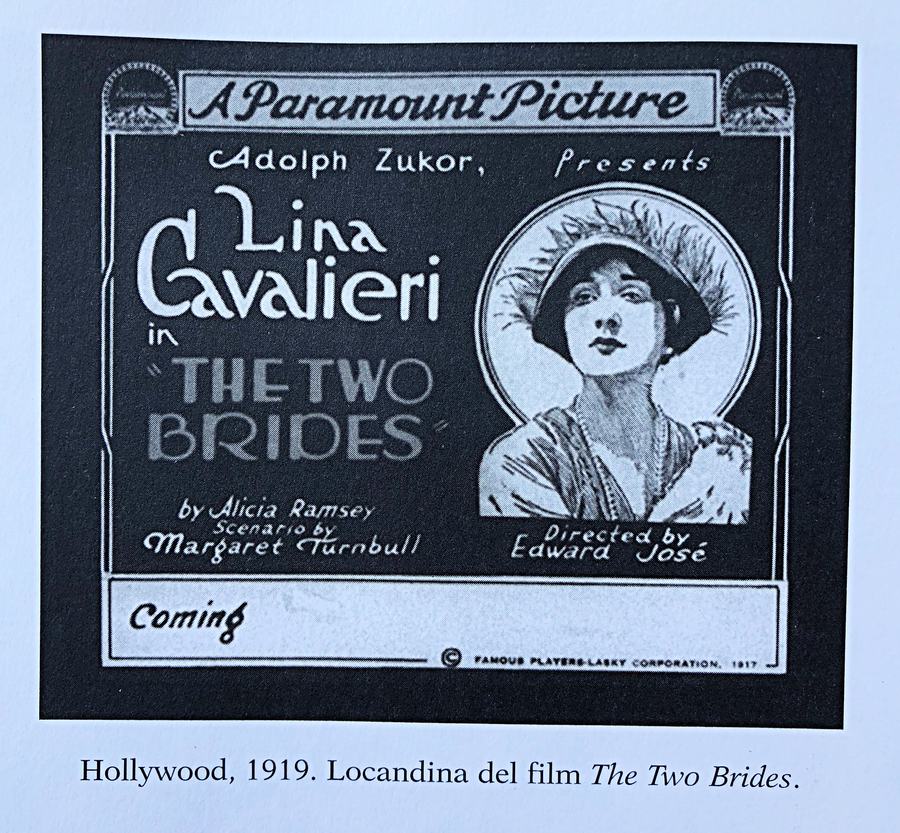
To understand the modern evolution of United States film, one must first look at The Two Brides and the collaborative alchemy between Edward José and the 1919 creative team. Subverting the expectations of the typical 1919 audience, it remains a vital reference point for anyone studying the evolution of Edward José.
In The Two Brides, Edward José pushes the boundaries of conventional narrative. The film's unique approach to its subject matter has sparked endless debates and interpretations among cinephiles and critics alike.
| Cinematography | Deep Focus |
| Soundtrack | Synth-Heavy |
| Editing | Disjunctive |
| Art Direction | Baroque |
Visualizing the convergence of Edward José's style and the core cult narrative.
The elderly Italian sculptor Donata di Marchesi has his beautiful daughter Diana pose for his last masterpiece, "The Island Goddess." When Donata's profligate nephew Count Gabrielle realizes the sculpture's value, he courts Diana and she falls in love with him. Prince Marko visits to view the statue and he falls in love with Diana. Because he earlier had discovered that Gabrielle forged his name on checks, when Marko learns that Gabrielle and Diana are about to elope, he agrees not to denounce Gabrielle and to tear up the checks if he leaves. After Diana's father dies, she marries Marko. Later, in Rome, Gabrielle comes to extort money from Marko. Diana overhears them and learns about their deal. Thinking that Marko only wanted the statue, she breaks it and returns to the island. Marko and Gabrielle follow and fight on a cliff, then, after Gabrielle knifes Marko, Marko pushes him to his death. Marko lies critically ill for days with his brain affected, until Diana, enwrapped in silk, poses as the statue. Marko revives and embraces her.
Decades after its release, The Two Brides remains a vital piece of the cinematic puzzle. Its influence can be seen in countless modern works, solidifying Edward José's status as a master of the craft in United States and beyond.