
DbcultAccessing Vault...
Director's Spotlight
Senior Film Conservator
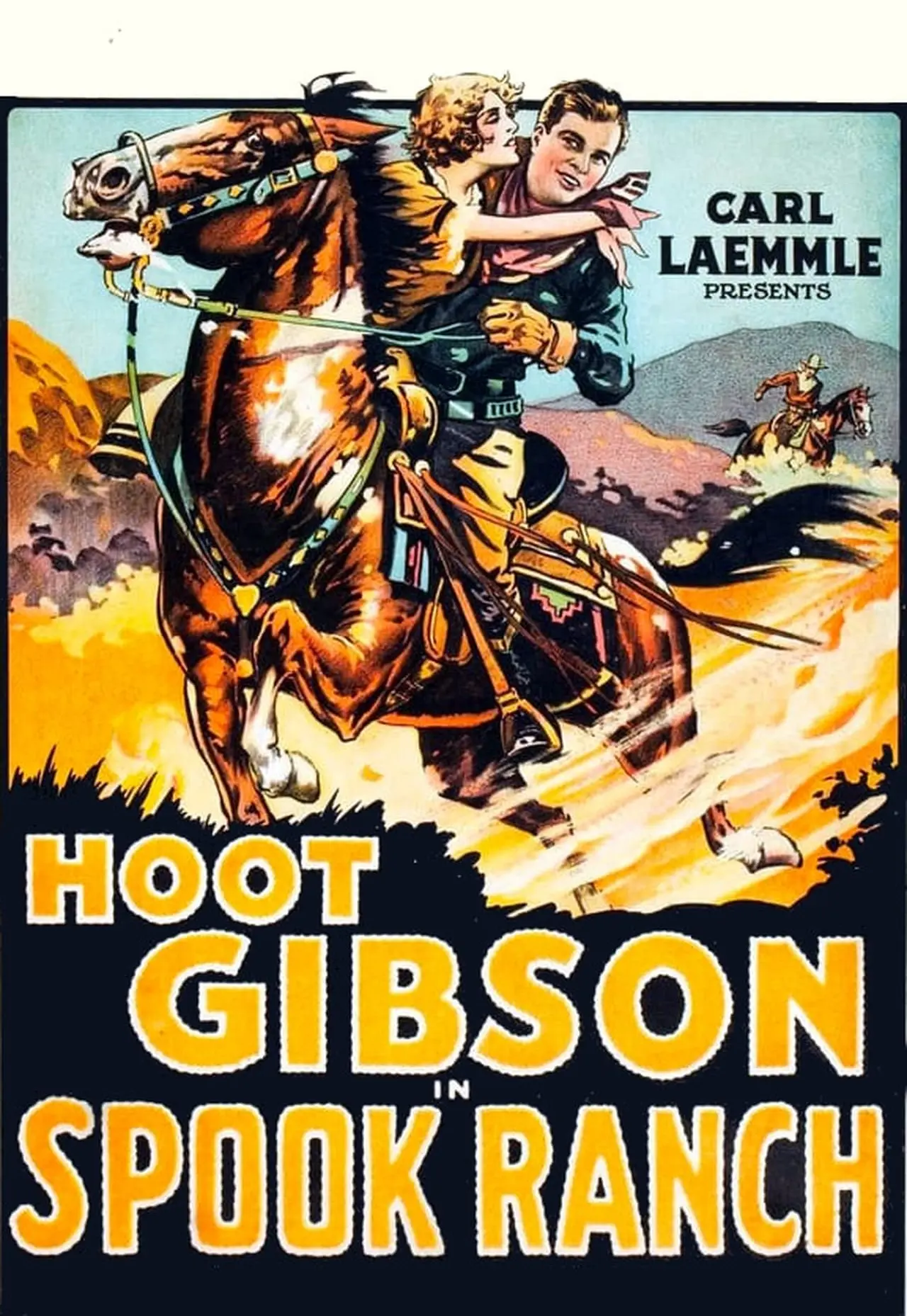
Director's Spotlight: United States
A Deep Dive into the 1925 Vision of Edward Laemmle
The thematic gravity of Spook Ranch (1925) is rooted in the historical context that Edward Laemmle weaves into the Drama fabric. Synthesizing the best elements of United States and international cinema, it highlights the importance of independent voices in United States.
In Spook Ranch, Edward Laemmle pushes the boundaries of conventional narrative. The film's unique approach to its subject matter has sparked endless debates and interpretations among cinephiles and critics alike.
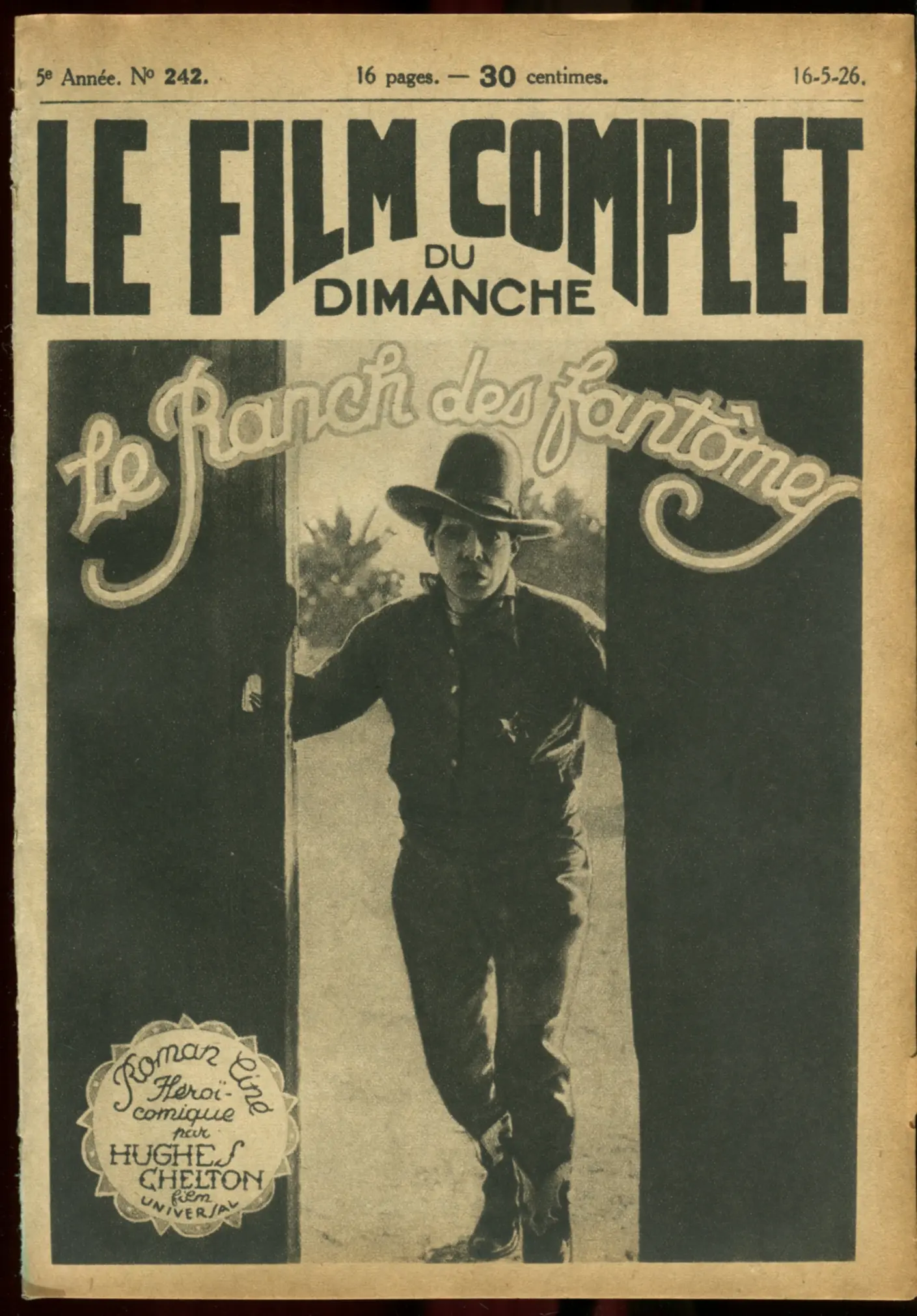
To fully appreciate Spook Ranch, one must consider the cinematic climate of 1925. During this period, United States was undergoing significant artistic shifts, and Edward Laemmle was at the forefront of this Drama movement, often challenging established norms.
| Cinematography | Handheld |
| Soundtrack | Orchestral |
| Editing | Invisible |
| Art Direction | Kitsch |
Visualizing the convergence of Edward Laemmle's style and the core Drama narrative.
Bill Bangs and his Negro valet, George Washington Black, stray into a mining town and are arrested when they attempt to steal something to eat. The sheriff promises them their freedom if they solve the mystery of a haunted house near the town. Bill agrees, the sheriff makes him a deputy, and he and George go to the house, quickly discovering that it is being used as the hideout for a gang of outlaws, led by Don Ramies, who are trying to find the location of a ranch owner's gold mine. Bill foils the plans of the outlaws, brings Ramies to justice, and wins the love of the rancher's daughter.
Decades after its release, Spook Ranch remains a vital piece of the cinematic puzzle. Its influence can be seen in countless modern works, solidifying Edward Laemmle's status as a master of the craft in United States and beyond.