
DbcultAccessing Vault...
Director's Spotlight
Senior Film Conservator
Director's Spotlight: United States
A Deep Dive into the 1922 Vision of Edward Laemmle
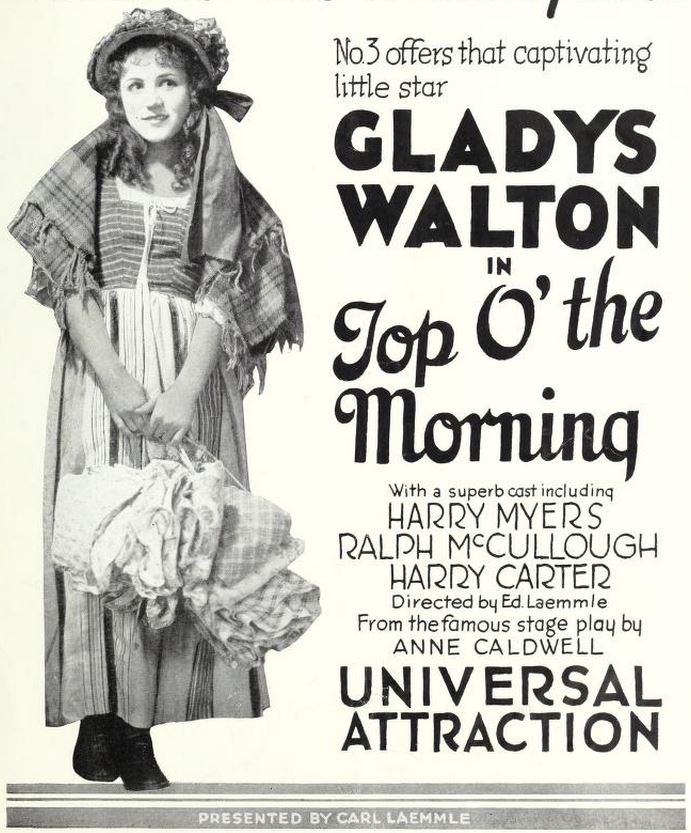
To understand the modern evolution of United States film, one must first look at Top o' the Morning and the collaborative alchemy between Edward Laemmle and the 1922 creative team. Subverting the expectations of the typical 1922 audience, it remains a vital reference point for anyone studying the evolution of Edward Laemmle.
In Top o' the Morning, Edward Laemmle pushes the boundaries of conventional narrative. The film's unique approach to its subject matter has sparked endless debates and interpretations among cinephiles and critics alike.
While deeply rooted in United States, Top o' the Morning has achieved a global reach, influencing directors from various backgrounds. Its ability to translate Drama tropes into a universal cinematic language is why it remains a cult staple decades after its 1922 release.
| Cinematography | Noir-Inspired |
| Soundtrack | Experimental |
| Editing | Invisible |
| Art Direction | Kitsch |
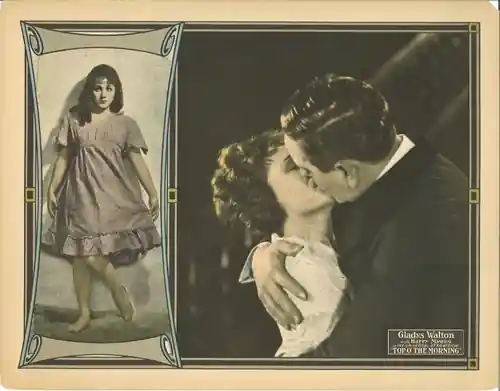
Visualizing the convergence of Edward Laemmle's style and the core Drama narrative.
Jerry O'Donnell arrives from Ireland to be with her father in America, but when she finds living with her stepmother unpleasant, she leaves home and encourages millionaire John Garland, whom she knew in Ireland, now a widower. Garland hires her to be governess to his daughter. Jerry's brother Eugene O'Donnell, a cashier in Garland's bank, is implicated in a robbery of his employer; Jerry is also involved, apprehended, and jailed. Garland clears the O'Donnells and proclaims his love for Jerry.
Decades after its release, Top o' the Morning remains a vital piece of the cinematic puzzle. Its influence can be seen in countless modern works, solidifying Edward Laemmle's status as a master of the craft in United States and beyond.