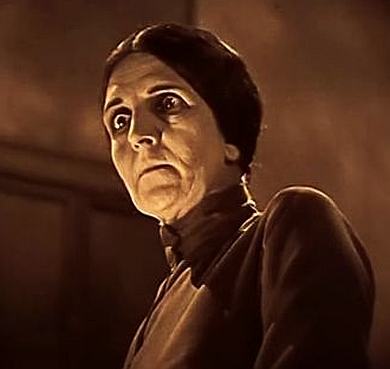
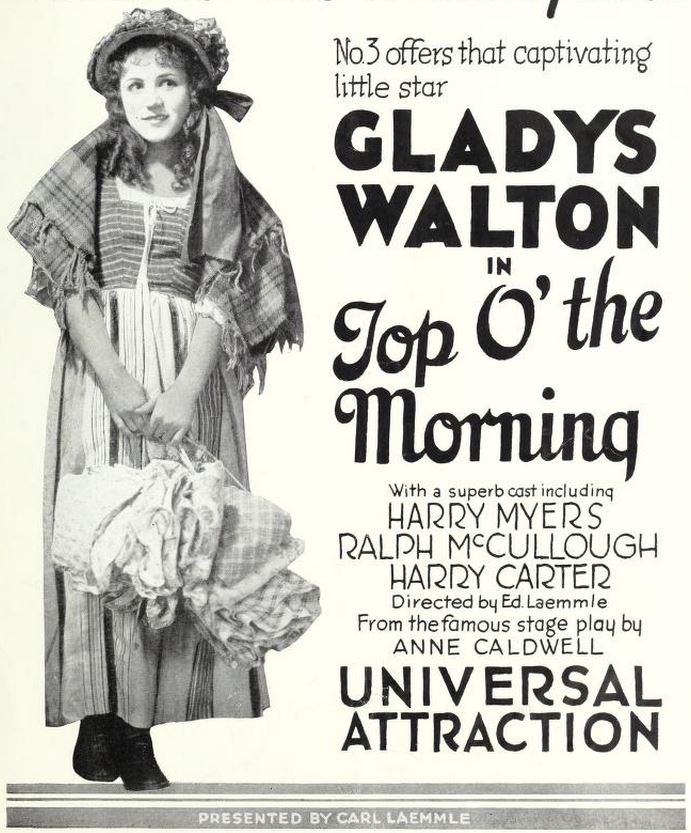
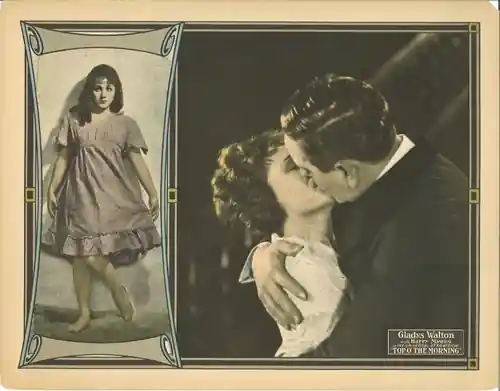
Jerry O'Donnell arrives from Ireland to be with her father in America, but when she finds living with her stepmother unpleasant, she leaves home and encourages millionaire John Garland, whom she knew in Ireland, now a widower. Garland hires her to be governess to his daughter.
There is a moment—somewhere between the 17th and 18th reel—when Margaret Campbell’s Jerry presses her palm against the chill iron of a jail-cell window and the camera dollies so close you can count the freckles on her wrist. That single freeze-frame distills the entire ethos of Top o’ the Morning: a film that wants t...
production_art
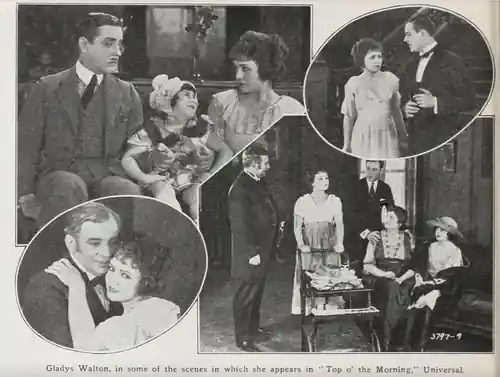
publicity
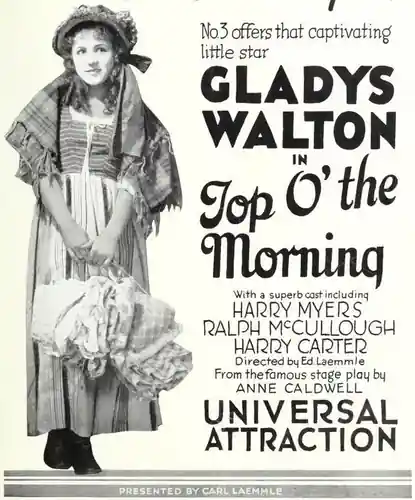
production_art
Comparing the cinematic DNA and archive impact of two defining moments in cult history.
Edward Laemmle
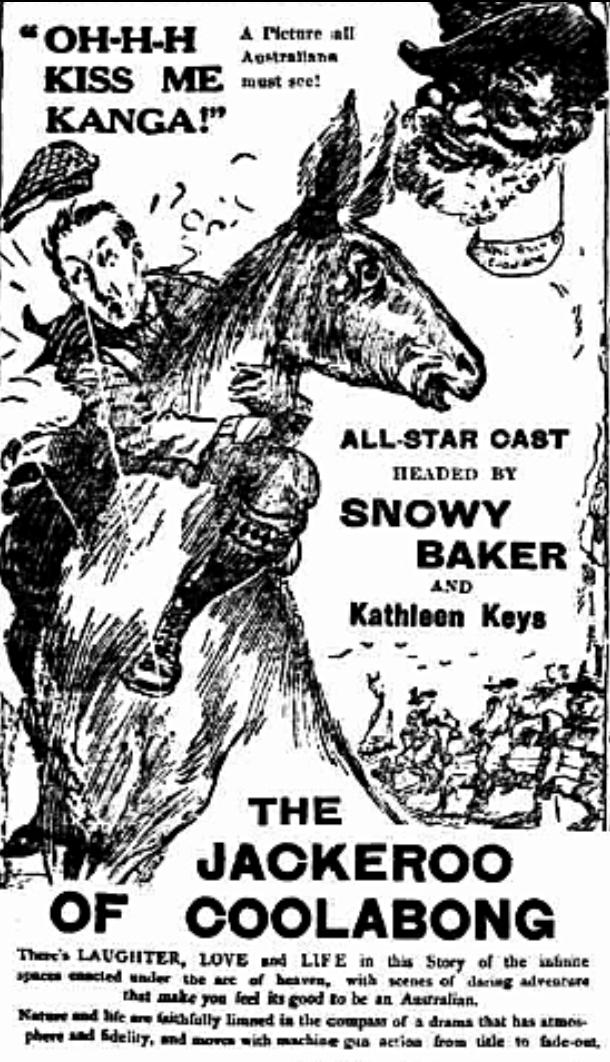
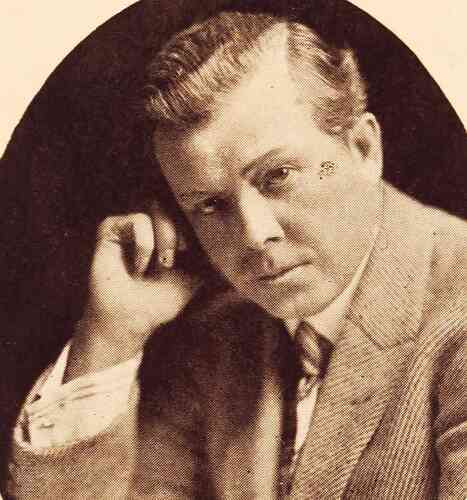
Wilfred Lucas
Community
Log in to comment.
" There is a moment—somewhere between the 17th and 18th reel—when Margaret Campbell’s Jerry presses her palm against the chill iron of a jail-cell window and the camera dollies so close you can count the freckles on her wrist. That single freeze-frame distills the entire ethos of Top o’ the Morning: a film that wants to be a jaunty lilt but keeps slipping into a lament. The contradiction is delicious. Released in the autumn of 1922, while Irish Civil War bullets still ricocheted across Dublin w..."
Wallace Clifton, George Randolph Chester, Anne Caldwell
United States
Deep dive into the cult classic
Discover similar cinematic experiences
A Directorial Spotlight on Edward Laemmle