
DbcultAccessing Vault...
Director's Spotlight
Senior Film Conservator
Director's Spotlight: United States
A Deep Dive into the 1917 Vision of Edward LeSaint
Deciphering the layers of Fighting Mad (1917) reveals the complex thematic architecture established by Edward LeSaint. Utilizing a 1917-specific aesthetic that remains timeless, it stands as the definitive 1917 statement on cult identity.
In Fighting Mad, Edward LeSaint pushes the boundaries of conventional narrative. The film's unique approach to its subject matter has sparked endless debates and interpretations among cinephiles and critics alike.
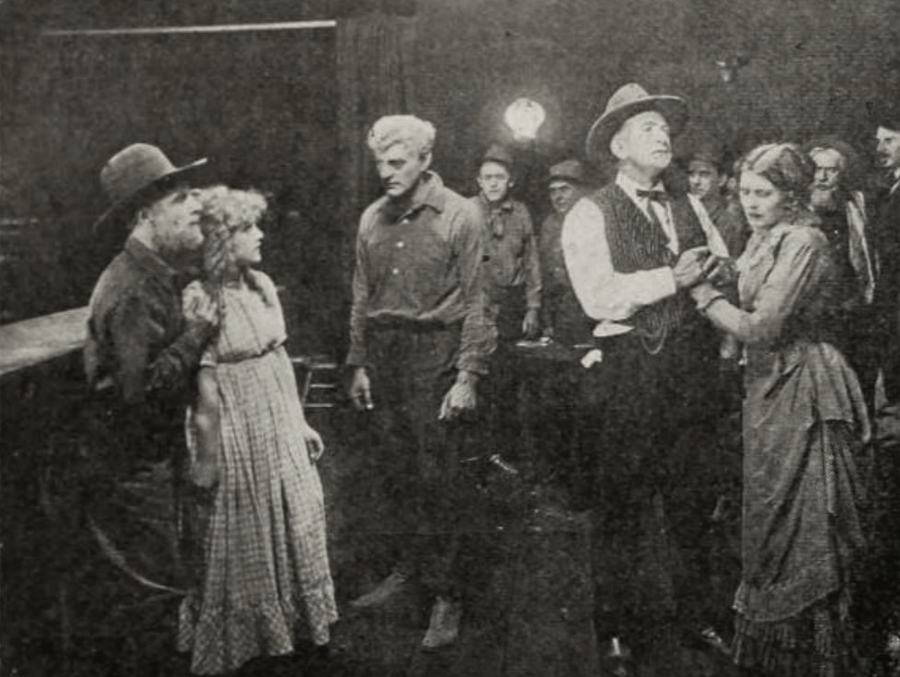
The visual language of Fighting Mad is defined by its use of shadows and framing, a hallmark of Edward LeSaint's style. By utilizing a 1917-era palette, the film creates an immersive experience that perfectly complements its cult themes.
| Cinematography | Handheld |
| Soundtrack | Diegetic |
| Editing | Elliptical |
| Art Direction | Expressionist |
Visualizing the convergence of Edward LeSaint's style and the core cult narrative.
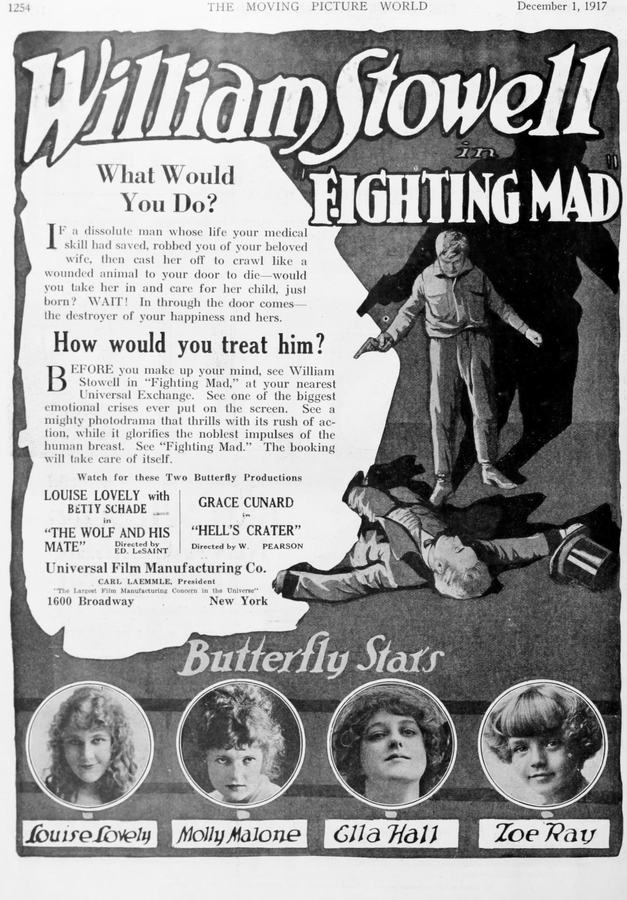
Doctor Lambert takes his wife west to a mining town, where he can both minister and doctor. His wife is not happy and upon discovering she is pregnant, runs away with a gambler. He soon dumps her, and she comes back and dies giving birth to a baby girl. Lambert, out of his mind with rage, leaves the baby on a doorstep and vows to never have faith again. He returns to the mining town fifteen years later a drunkard. He meets young, kind Lily Sawyer and is greatly impressed by her compassionate nature. Meanwhile, the gambler has returned and decides to abduct Lily, but his partner recognizes Lambert and tells him Lily is his daughter. He kills the gambler before he can harm Lily and soon his faith returns.
Decades after its release, Fighting Mad remains a vital piece of the cinematic puzzle. Its influence can be seen in countless modern works, solidifying Edward LeSaint's status as a master of the craft in United States and beyond.