
DbcultAccessing Vault...
Director's Spotlight
Senior Film Conservator
Director's Spotlight: United States
A Deep Dive into the 1917 Vision of Edward LeSaint
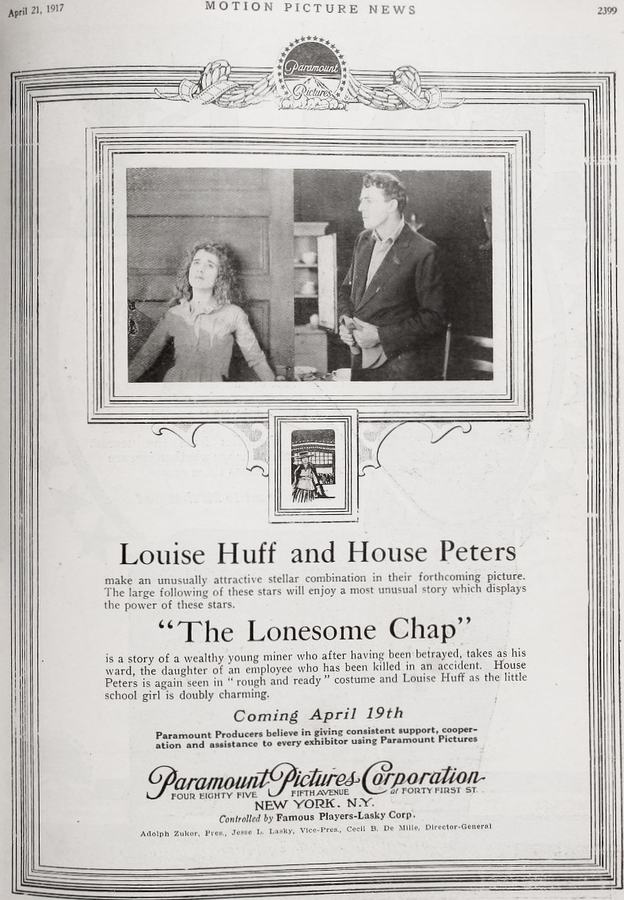
Under the meticulous guidance of Edward LeSaint, The Lonesome Chap became the cultural zeitgeist captured so perfectly by Edward LeSaint in 1917. Driven by an uncompromising commitment to cult excellence, it remains a vital reference point for anyone studying the evolution of Edward LeSaint.
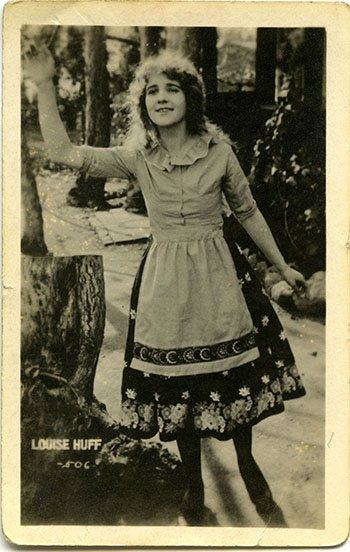
In The Lonesome Chap, Edward LeSaint pushes the boundaries of conventional narrative. The film's unique approach to its subject matter has sparked endless debates and interpretations among cinephiles and critics alike.
| Cinematography | Handheld |
| Soundtrack | Experimental |
| Editing | Invisible |
| Art Direction | Kitsch |
Visualizing the convergence of Edward LeSaint's style and the core cult narrative.
Stuart Kirkward, a wealthy miner, has built a magnificent house in preparation of his marriage to Peggy Carter, who elopes on the eve of her wedding with George Rothwell, a mining promoter, who is already married. At the station they meet Rothwell's wife, who tells Peggy the truth about him. Peggy in endeavoring to escape from the unpleasant scene rides away on her horse, only to be followed by Rothwell. Both meet with an accident, are hurled to their doom over a steep cliff. Just before this, Stuart had assumed the guardianship of a little daughter of a friend of his, and in connection with the accident he finds himself with the girl on his hands. He sends her away to boarding school, where she meets the son of George Rothwell, the man who had eloped with Stuart's intended bride. When the girl, whose name is Renee, comes back from school to her guardian, he finds that she has grown to be a full-fledged lady, and begins to feel more than a fatherly affection for her. Some time later, at a house party, Stuart is led to believe that she loves the son of George Rothwell, and, although bearing in mind that he is the son of the man who was his bitterest enemy, he decides to give the boy a chance. It is here that he makes the great discovery that, instead of Rothwell, Jr., it is he whom Renee loves. All the past is forgotten and they turn their thoughts to the future.
Decades after its release, The Lonesome Chap remains a vital piece of the cinematic puzzle. Its influence can be seen in countless modern works, solidifying Edward LeSaint's status as a master of the craft in United States and beyond.