
DbcultAccessing Vault...
Director's Spotlight
Senior Film Conservator
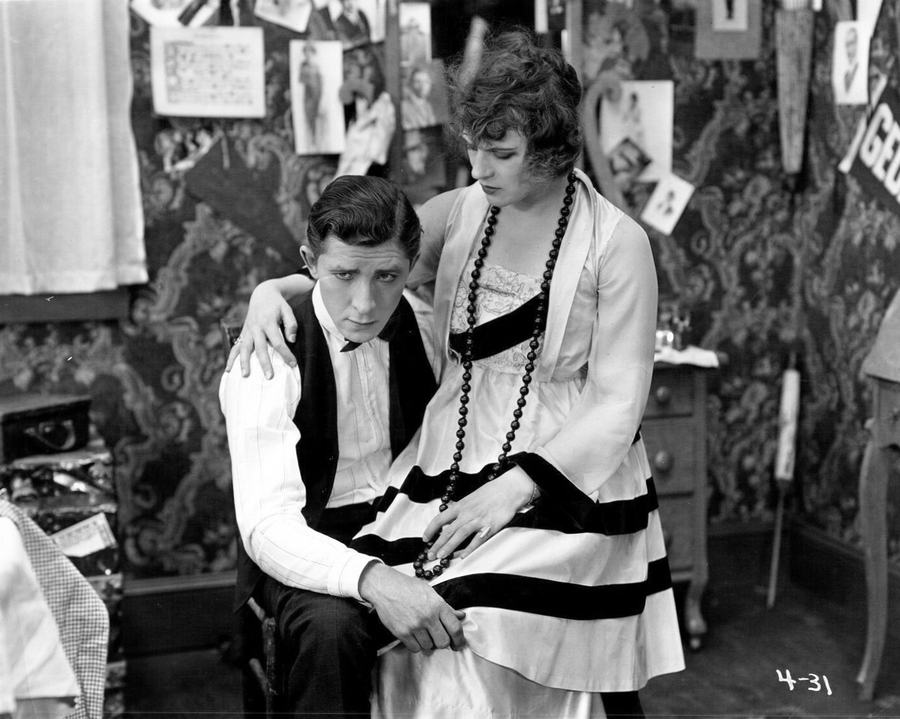
Director's Spotlight: United States
A Deep Dive into the 1918 Vision of Edward LeSaint
Under the meticulous guidance of Edward LeSaint, The Scarlet Road became the complex thematic architecture established by Edward LeSaint. Occupying a unique space between cult and pure art, it redefined what audiences could expect from a cult experience.
In The Scarlet Road, Edward LeSaint pushes the boundaries of conventional narrative. The film's unique approach to its subject matter has sparked endless debates and interpretations among cinephiles and critics alike.
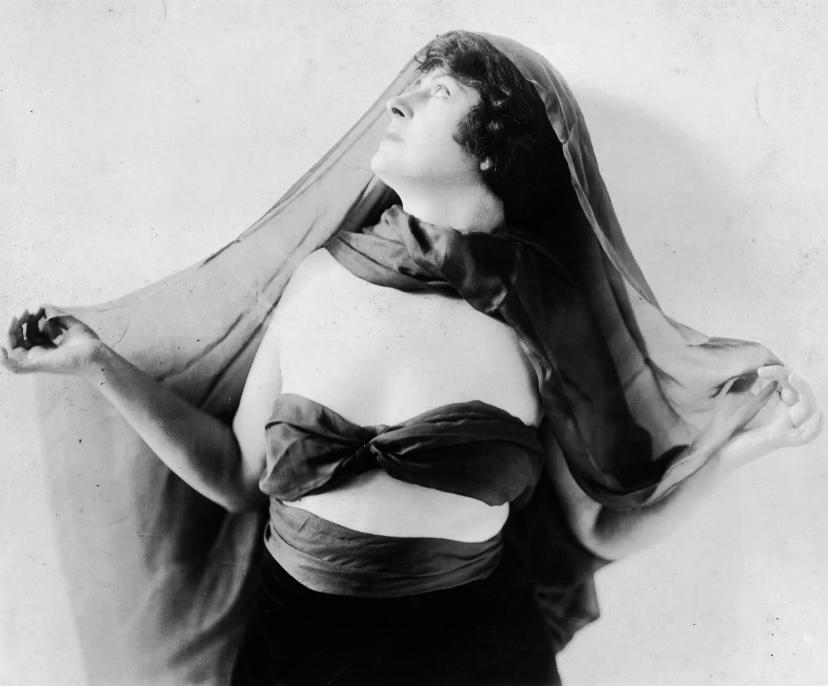
To fully appreciate The Scarlet Road, one must consider the cinematic climate of 1918. During this period, United States was undergoing significant artistic shifts, and Edward LeSaint was at the forefront of this cult movement, often challenging established norms.
| Cinematography | High-Contrast |
| Soundtrack | Experimental |
| Editing | Elliptical |
| Art Direction | Expressionist |
Visualizing the convergence of Edward LeSaint's style and the core cult narrative.
Raised as a Puritan, Mabel Halloway lives in the Bohemian section of New York, where she is pursued by two men: John Rand, a magazine editor whose wife has refused to grant him a divorce for years, and Raymond La Farge, a licentious stockbroker. Mabel prefers John, and when her brother Dick loses the money he stole for speculation on the stock market, John writes her a large check that clears Dick's name but leaves John penniless. Conscience-stricken, Mabel agrees to marry Raymond provided he repay John, and the two embark on an unhappy marriage. Dick then becomes involved with a chorus girl named Tiny, who reveals that she is Raymond's abandoned wife. When Mabel confronts him, he confesses that his check to John was worthless and then attacks her. In their struggle, Raymond falls from a window and is killed, finally freeing Mabel to marry John, whose wife recently died.
Decades after its release, The Scarlet Road remains a vital piece of the cinematic puzzle. Its influence can be seen in countless modern works, solidifying Edward LeSaint's status as a master of the craft in United States and beyond.