
DbcultAccessing Vault...
Director's Spotlight
Senior Film Conservator
Director's Spotlight: United States
A Deep Dive into the 1917 Vision of Edward LeSaint
The artistic breakthrough represented by The Squaw Man's Son in 1917 highlights the uncompromising vision of Edward LeSaint that defines this cult masterpiece. In the context of United States's rich cinematic history, it captures a specific kind of cinematic magic that is rarely replicated.
In The Squaw Man's Son, Edward LeSaint pushes the boundaries of conventional narrative. The film's unique approach to its subject matter has sparked endless debates and interpretations among cinephiles and critics alike.
In this work, Edward LeSaint explores the intersection of cult and United States cultural identity. The meticulous attention to detail suggests a deep-seated commitment to pushing the boundaries of the medium, ensuring that The Squaw Man's Son remains a relevant topic of study for cult enthusiasts.
| Cinematography | Handheld |
| Soundtrack | Synth-Heavy |
| Editing | Rhythmic |
| Art Direction | Naturalist |
Visualizing the convergence of Edward LeSaint's style and the core cult narrative.
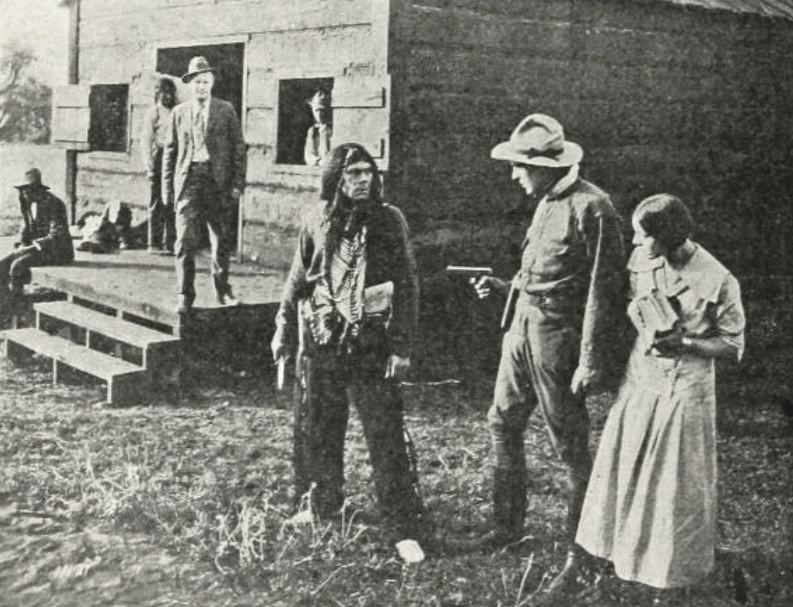
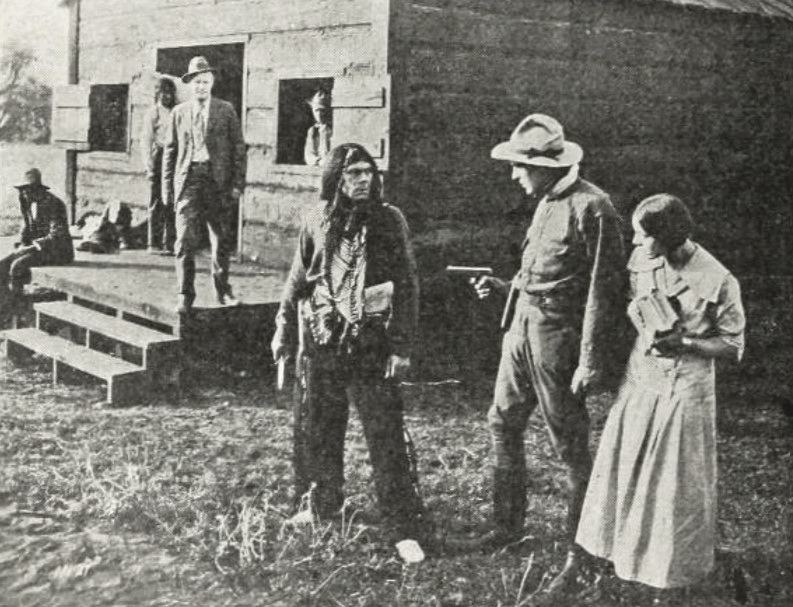
Hal, now fully grown, leaves his wife Edith and his estate in England to return to the land of his Indian mother. There he works for the rights of Indians in a land deal which pits him against David Ladd, the wily reservation agent who is secretly in collusion with the asphalt trust which is trying to rob the Indians. Hal falls in love with Wah-na-gi, the Carlisle graduate who has returned to teach at the agency school, but he is too honorable to conceal that he is already married. Upon the death of his father, Hal returns to England as Lord Effington to discover that Edith loves Lord Yester and wants a divorce. Hal gladly agrees, but when the family physician informs him that Edith is addicted to morphine and his presence may save her life, Hal consents to stay. Returning to America to testify in a lawsuit against the asphalt trust, Hal regretfully informs Wah-na-gi that he cannot leave his wife. The Indian maiden goes off in the snow to kill herself by the grave of Hal's mother when Hal receives a message that Edith has died from an overdose of morphine. Hal rushes into the snow, overtakes Wah-na-gi and asks her to marry him.
Decades after its release, The Squaw Man's Son remains a vital piece of the cinematic puzzle. Its influence can be seen in countless modern works, solidifying Edward LeSaint's status as a master of the craft in United States and beyond.