
DbcultAccessing Vault...
Director's Spotlight
Senior Film Conservator
Director's Spotlight: United States
A Deep Dive into the 1925 Vision of Edward Ludwig
Analyzing Just in Time (1925) requires a deep dive into the defining moment in Comedy history that Edward Ludwig helped create. Defining a new era of United States artistic expression, it transcends regional boundaries to tell a universal story.
In Just in Time, Edward Ludwig pushes the boundaries of conventional narrative. The film's unique approach to its subject matter has sparked endless debates and interpretations among cinephiles and critics alike.
In this work, Edward Ludwig explores the intersection of Comedy and United States cultural identity. The meticulous attention to detail suggests a deep-seated commitment to pushing the boundaries of the medium, ensuring that Just in Time remains a relevant topic of study for Comedy enthusiasts.
| Cinematography | High-Contrast |
| Soundtrack | Synth-Heavy |
| Editing | Rhythmic |
| Art Direction | Naturalist |
Visualizing the convergence of Edward Ludwig's style and the core Comedy narrative.
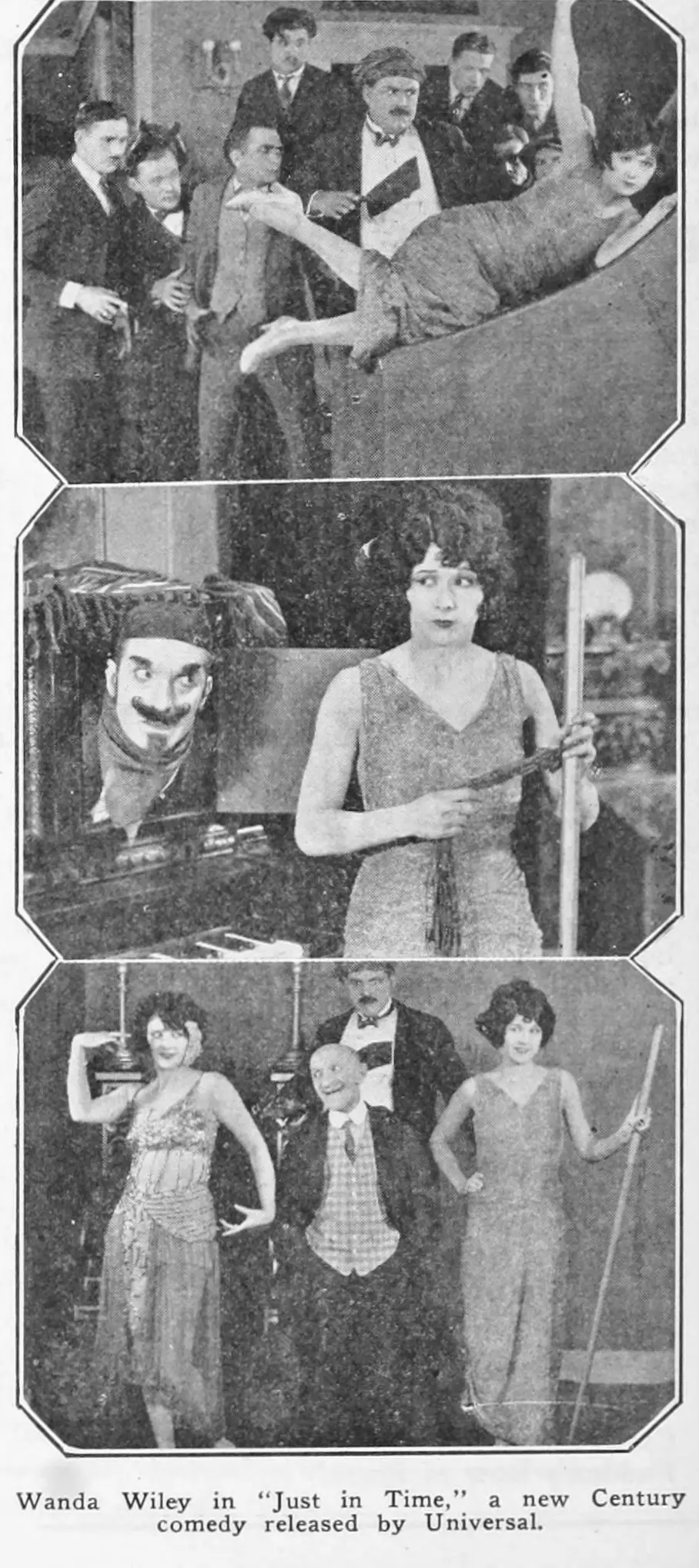
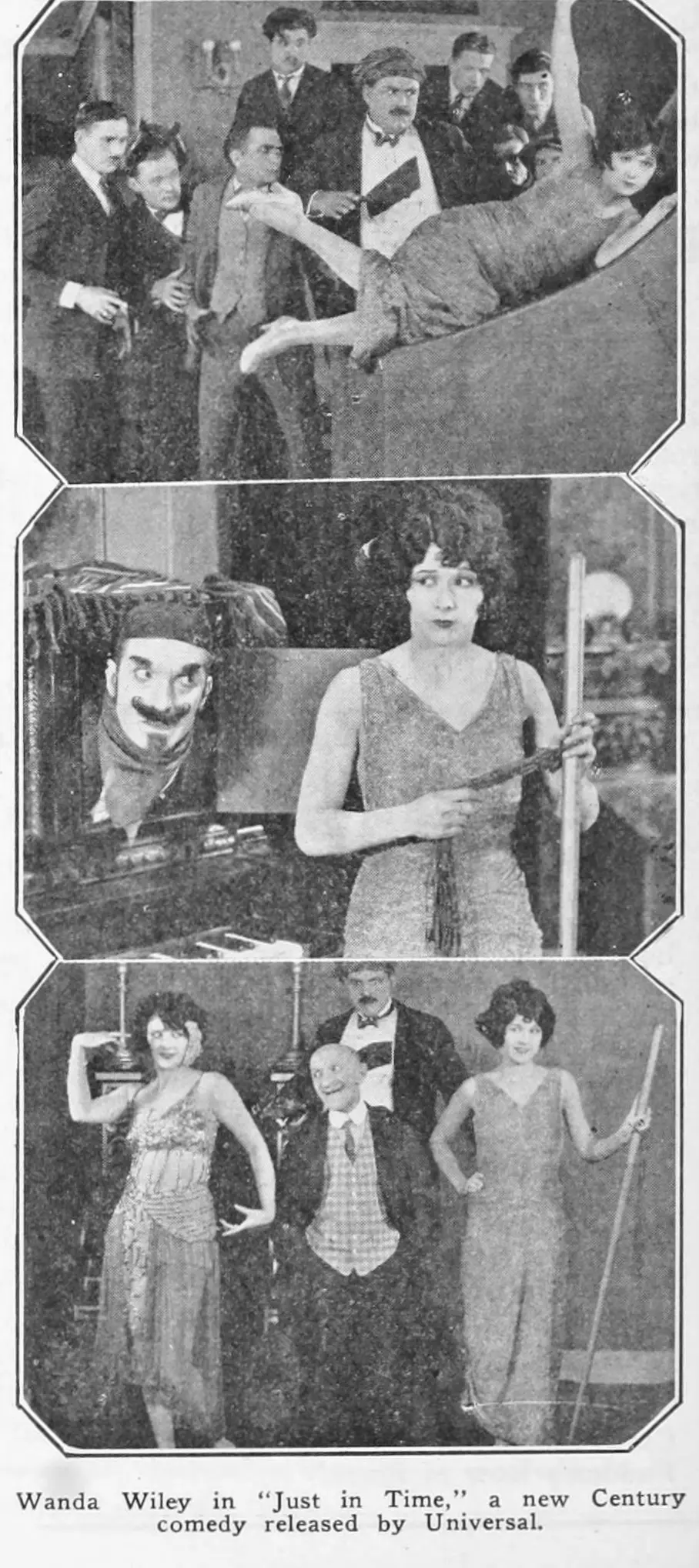
Wanda is the feature writer on the Daily Milk and is doing a series of feature stories on a mysterious band that has haunted the city. The editor's son is finally carried off by this band and held for ransom. Wanda, after a series of thrilling episodes that would make some of the serials look tame, finds the rendezvous of the band, rescues the editor's son and delivers his captors to the editorial rooms.
Decades after its release, Just in Time remains a vital piece of the cinematic puzzle. Its influence can be seen in countless modern works, solidifying Edward Ludwig's status as a master of the craft in United States and beyond.