
DbcultAccessing Vault...
Director's Spotlight
Senior Film Conservator
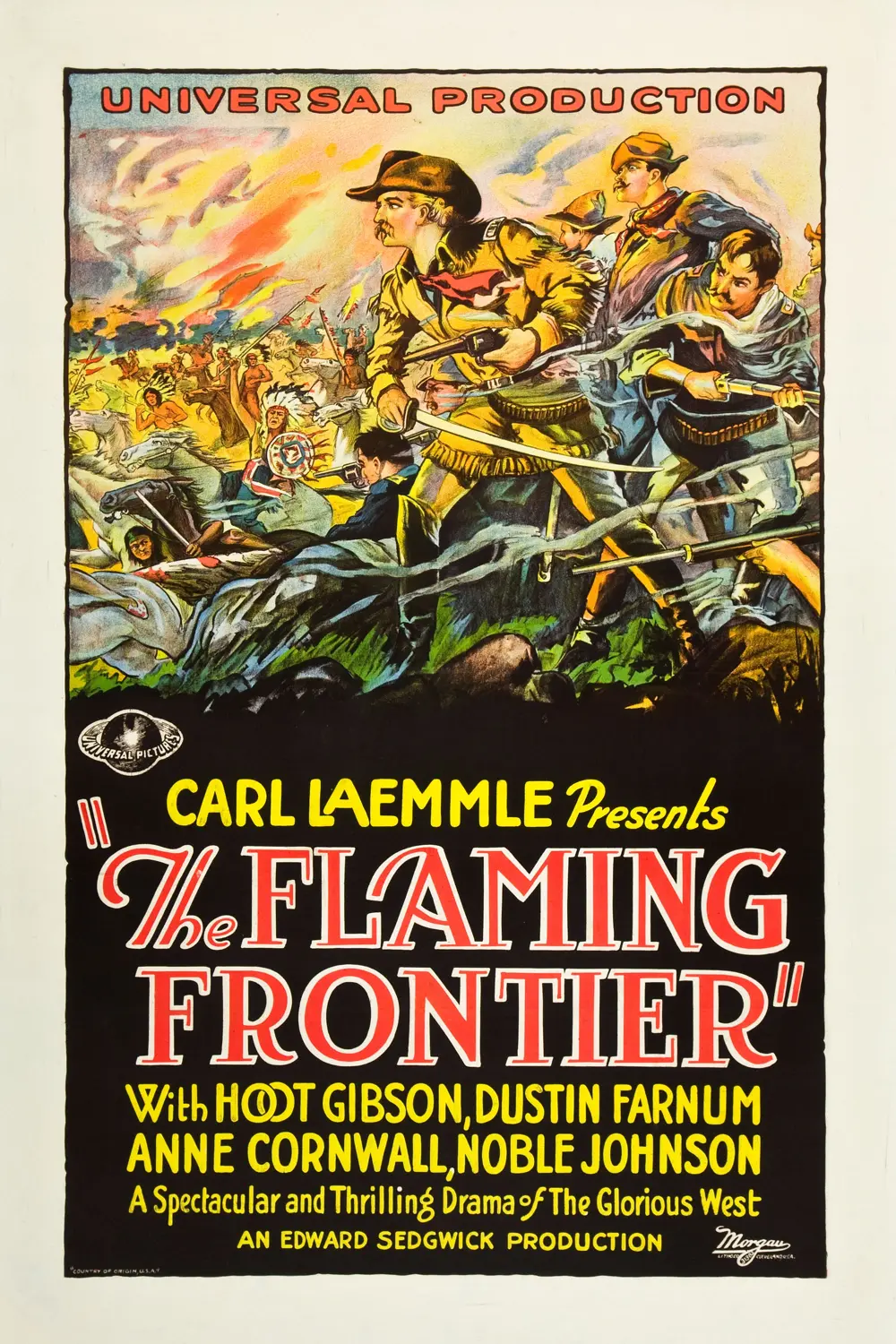
Director's Spotlight: United States
A Deep Dive into the 1926 Vision of Edward Sedgwick
The brilliance of The Flaming Frontier (1926) is inseparable from a monumental shift in Drama filmmaking spearheaded by Edward Sedgwick. Occupying a unique space between Drama and pure art, it serves as a blueprint for future generations of Drama directors.
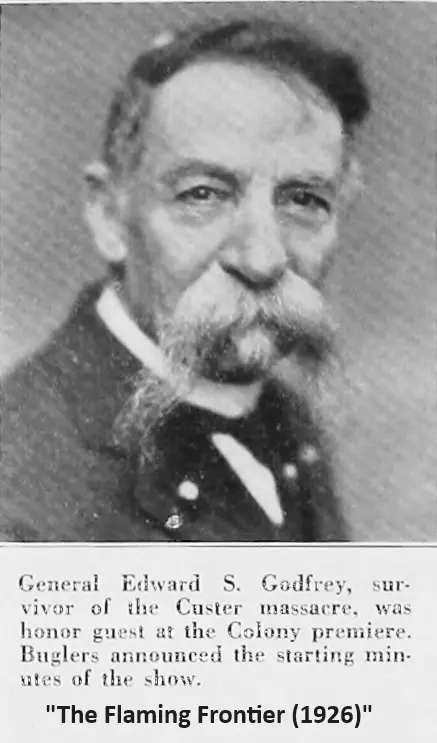
In The Flaming Frontier, Edward Sedgwick pushes the boundaries of conventional narrative. The film's unique approach to its subject matter has sparked endless debates and interpretations among cinephiles and critics alike.
| Cinematography | High-Contrast |
| Soundtrack | Diegetic |
| Editing | Rhythmic |
| Art Direction | Naturalist |
Visualizing the convergence of Edward Sedgwick's style and the core Drama narrative.
Bob Langdon, a young Pony Express rider, is given an appointment to West Point, but is forced to leave the academy as the result of political intrigue stirred up by enemies of his friend, General George A. Custer. Bob returns to the west and is made a scout for Custer's 7th Cavalry. At the Battle of Little Big Horn, Custer sends Bob with a message for aid, and Bob becomes the only survivor of the battle.
Decades after its release, The Flaming Frontier remains a vital piece of the cinematic puzzle. Its influence can be seen in countless modern works, solidifying Edward Sedgwick's status as a master of the craft in United States and beyond.