
DbcultAccessing Vault...
Director's Spotlight
Senior Film Conservator
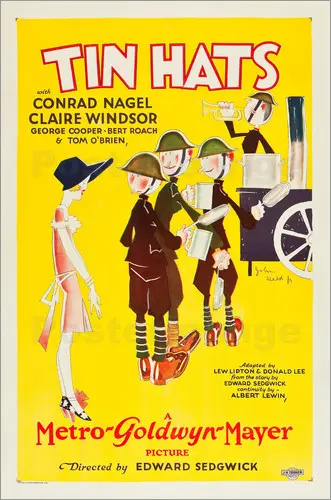
Director's Spotlight: United States
A Deep Dive into the 1926 Vision of Edward Sedgwick
The brilliance of Tin Hats (1926) is inseparable from the visionary mind of its creator, Edward Sedgwick. Serving as a mirror to the anxieties of a changing world, it persists as a haunting reminder of our own cinematic history.
In Tin Hats, Edward Sedgwick pushes the boundaries of conventional narrative. The film's unique approach to its subject matter has sparked endless debates and interpretations among cinephiles and critics alike.
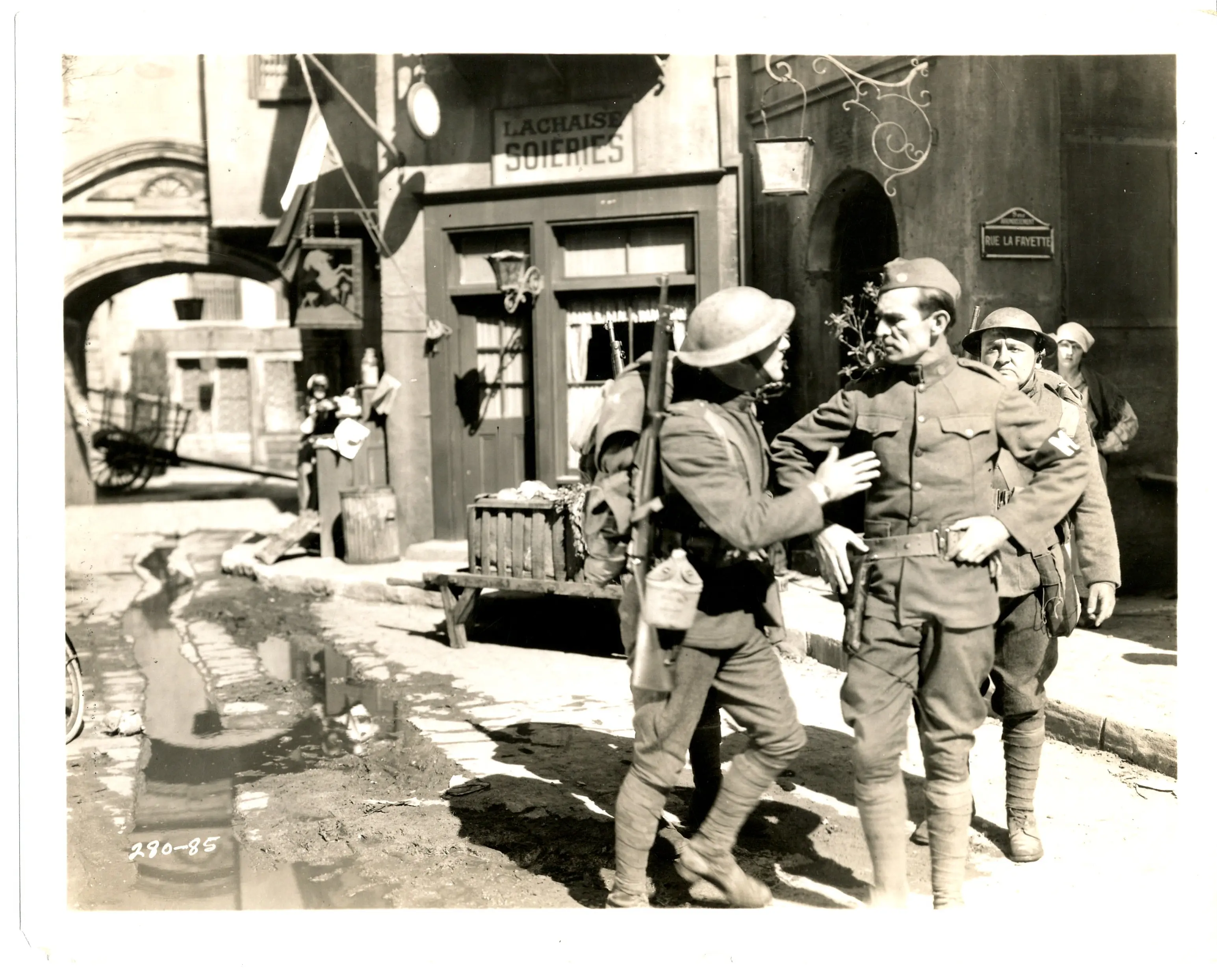
To fully appreciate Tin Hats, one must consider the cinematic climate of 1926. During this period, United States was undergoing significant artistic shifts, and Edward Sedgwick was at the forefront of this Comedy movement, often challenging established norms.
| Cinematography | Deep Focus |
| Soundtrack | Synth-Heavy |
| Editing | Rhythmic |
| Art Direction | Naturalist |
Visualizing the convergence of Edward Sedgwick's style and the core Comedy narrative.
At Armistice time, three members of the A. E. F. become separated from their regiment attempting to retrieve some souvenirs. Looking for their company, they cycle into a Rhenish village and are accepted by the burgomaster as the new overlords. Jack Benson takes an interest in Elsa von Bergen, a wealthy aristocrat; and another personable girl becomes enamored of hard-boiled Lefty Mooney. With his friends, Jack invades Elsa's castle with the intention of "rescuing" her from some danger. She arranges a welcome with mysterious doors, traps, and other surprises, culminating in a battle with a ghost in ancestral armor. The trio are arrested, but through Elsa's influence they are released and the couples are happily married.
Decades after its release, Tin Hats remains a vital piece of the cinematic puzzle. Its influence can be seen in countless modern works, solidifying Edward Sedgwick's status as a master of the craft in United States and beyond.