
DbcultAccessing Vault...
Director's Spotlight
Senior Film Conservator
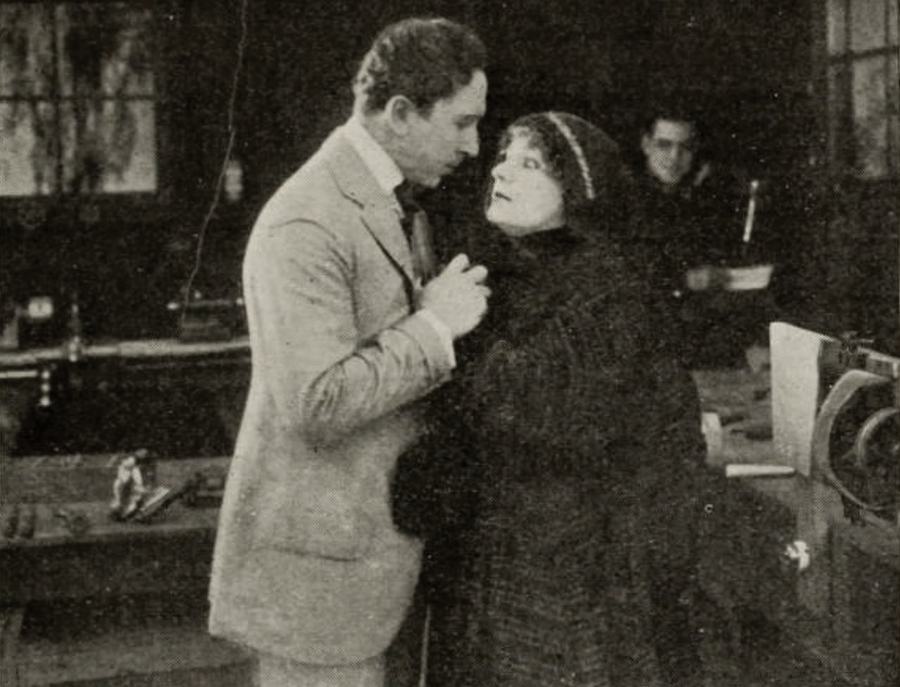
Director's Spotlight: United States
A Deep Dive into the 1916 Vision of Edward Sloman
The thematic gravity of Dust (1916) is rooted in the artistic risks taken by Edward Sloman that eventually paid off. Defining a new era of United States artistic expression, it demands to be seen by anyone who cares about the art of film.
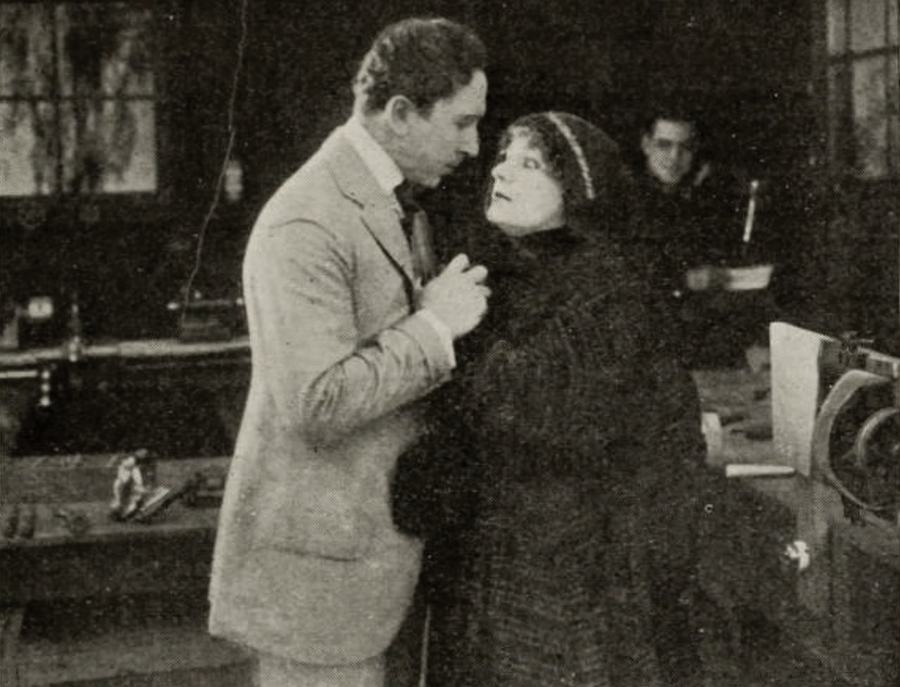
In Dust, Edward Sloman pushes the boundaries of conventional narrative. The film's unique approach to its subject matter has sparked endless debates and interpretations among cinephiles and critics alike.
| Cinematography | Deep Focus |
| Soundtrack | Minimalist |
| Editing | Slow-Burn |
| Art Direction | Brutalist |
Visualizing the convergence of Edward Sloman's style and the core cult narrative.
Marion Moore's sweetheart, Frank Kenyon, a young author interested in social reform, discovering that Marion's father is the owner of the worst factory in the city, pleads with her to persuade him to make better working conditions. Marion refuses. The season's society event is an entertainment for the benefit of the Belgian War Victims. Marian is to play "Humanity." That day, Mina, a child working in the factory, has her hand mangled in a machine. Frank learns of the accident from Bud and determines to bring the lesson home to Marian. He bribes her chauffeur to drive Marian to Mina's home. Marian is forced to enter the house with him. They find Mina alone and almost unconscious from an overdose of an opiate. The only hope of saving the child is by keeping her awake until he can summon medical aid. He orders Marian to walk the girl until he returns. Then he dashes away in the machine. Marian, seeing another machine approaching, leaves the child, and persuades the owner to drive her to the entertainment. When Frank returns, Mina is past saving. Wild with rage, he sets out for the entertainment. Marian has just achieved a great success when he arrives. He creates a sensation by mounting the platform and scathingly denouncing the shallow society people before him. Marian later hands him back his ring. He drives her by force to Mina's home. Marian is taken aback when she discovers that the animal mother is not weeping for love of Mina, but she wonders how she will ever pay for a cheap piano now that Mina's wages will no longer be forthcoming. Marian promises to attend to the payments. Marian laughs scornfully at Frank. Frank determines to wage a relentless war against Moore until conditions are modified. As champion of the working people, he is elected to the legislature. Frank introduces his bill for better factories. After much excitement, it is passed. Since the accident to Mina, Bud has been working to perfect a number of safety devices. With the idea of cheating the boy, Moore goes with him to a cabinet at one end of the building to look them over. Meanwhile a blaze has started. Soon the flimsy structure is ablaze. Marian escapes with the girls, hut Moore and Bud are trapped in the cabinet. From the roof of an adjoining building Frank throws a rope to the factory, where it fastens around a cornice. Then he makes his way hand over hand across the rope to the burning building, breaks through a skylight, and lowers a rope to Bud. Moore shoves the boy aside. Frank, angered, lowers the rope again for Bud. Moore rushes to the edge of the building. But as he hangs midway, the flames reach the rope, and he plunges to his death. A few weeks later the newspapers announce large gifts to charity from an anonymous source. Through Bud he discovers that it is Marian. The picture closes as she agrees to face the future with him.
Decades after its release, Dust remains a vital piece of the cinematic puzzle. Its influence can be seen in countless modern works, solidifying Edward Sloman's status as a master of the craft in United States and beyond.