
DbcultAccessing Vault...
Director's Spotlight
Senior Film Conservator

Director's Spotlight: United States
A Deep Dive into the 1931 Vision of Edward Sloman
The artistic breakthrough represented by Gun Smoke in 1931 highlights the philosophical inquiries that Edward Sloman embeds within the narrative. Framed by the hauntingly beautiful landscapes of the production, it leaves an indelible mark on the soul of the viewer.
In Gun Smoke, Edward Sloman pushes the boundaries of conventional narrative. The film's unique approach to its subject matter has sparked endless debates and interpretations among cinephiles and critics alike.
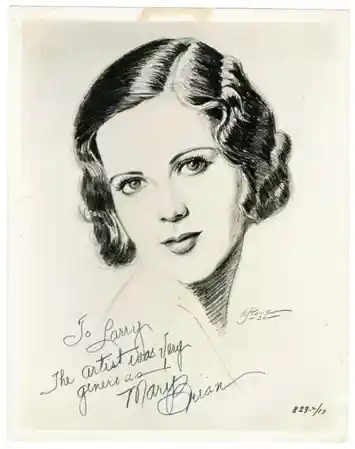
To fully appreciate Gun Smoke, one must consider the cinematic climate of 1931. During this period, United States was undergoing significant artistic shifts, and Edward Sloman was at the forefront of this Romance movement, often challenging established norms.
| Cinematography | Handheld |
| Soundtrack | Synth-Heavy |
| Editing | Disjunctive |
| Art Direction | Baroque |
Visualizing the convergence of Edward Sloman's style and the core Romance narrative.
Following a killing and robbery in a big city back east, gang leader Kedge Darvas and some of his henchies take a train to a small western town in Idaho, with intentions of hiding out there until things cool down back in Chi or NYC, or wherever they lammed from.They are welcomed with open arms by the citizens under the impression they are there as capital investors with money to spend. Before long, Darvas figures the town is ripe for the taking and sends word for reinforcements, and each arriving train unloads a few suits and snappy-brim hats.Then they get rough, kill Sheriff Posey Meed and rile up the citizens, led by cowhand Brad Farley, who had Darvas spotted for a wrong number just by the way he made moves on Sue Vancey.
Decades after its release, Gun Smoke remains a vital piece of the cinematic puzzle. Its influence can be seen in countless modern works, solidifying Edward Sloman's status as a master of the craft in United States and beyond.