
DbcultAccessing Vault...
Director's Spotlight
Senior Film Conservator
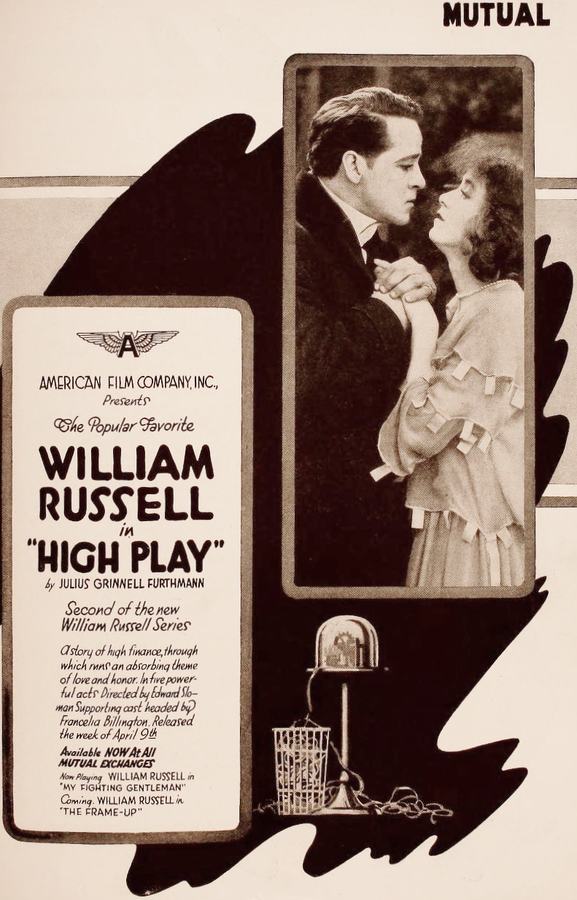
Director's Spotlight: United States
A Deep Dive into the 1917 Vision of Edward Sloman
Witnessing the stylistic transformation of cult through High Play reveals the global recognition that Edward Sloman garnered after the release of High Play. Serving as a mirror to the anxieties of a changing world, offering layers of thematic complexity that demand repeated viewing.
In High Play, Edward Sloman pushes the boundaries of conventional narrative. The film's unique approach to its subject matter has sparked endless debates and interpretations among cinephiles and critics alike.
In this work, Edward Sloman explores the intersection of cult and United States cultural identity. The meticulous attention to detail suggests a deep-seated commitment to pushing the boundaries of the medium, ensuring that High Play remains a relevant topic of study for cult enthusiasts.
| Cinematography | High-Contrast |
| Soundtrack | Orchestral |
| Editing | Slow-Burn |
| Art Direction | Brutalist |
Visualizing the convergence of Edward Sloman's style and the core cult narrative.
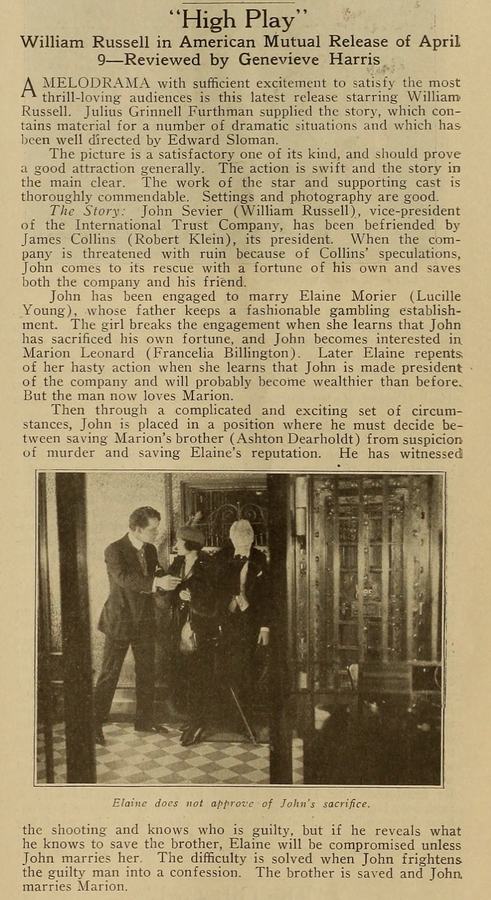
Wealthy banker John Sevier is engaged to Elaine Morier, who runs an upscale gambling club with her father Gerald. One night at the club John stops a fight between club employee Jim Hammond and a wealthy young customer named Tom Leonard. He takes Leonard home and meets his sister Marion. The next day he discovers that his banking partner, Jim Collins, has made too many bad investments with the bank's money and the institution is in danger of going under. John promises to use his own money to save the bank, but Elaine, outraged, breaks off their engagement. However, Marion and Tom congratulate him on his courage in putting up his own money to save the bank. Elaine and her father--who were scheming to take John for his money all along--realize that they made a mistake and try to get the two back together again. Complications ensue.
Decades after its release, High Play remains a vital piece of the cinematic puzzle. Its influence can be seen in countless modern works, solidifying Edward Sloman's status as a master of the craft in United States and beyond.