
DbcultAccessing Vault...
Director's Spotlight
Senior Film Conservator
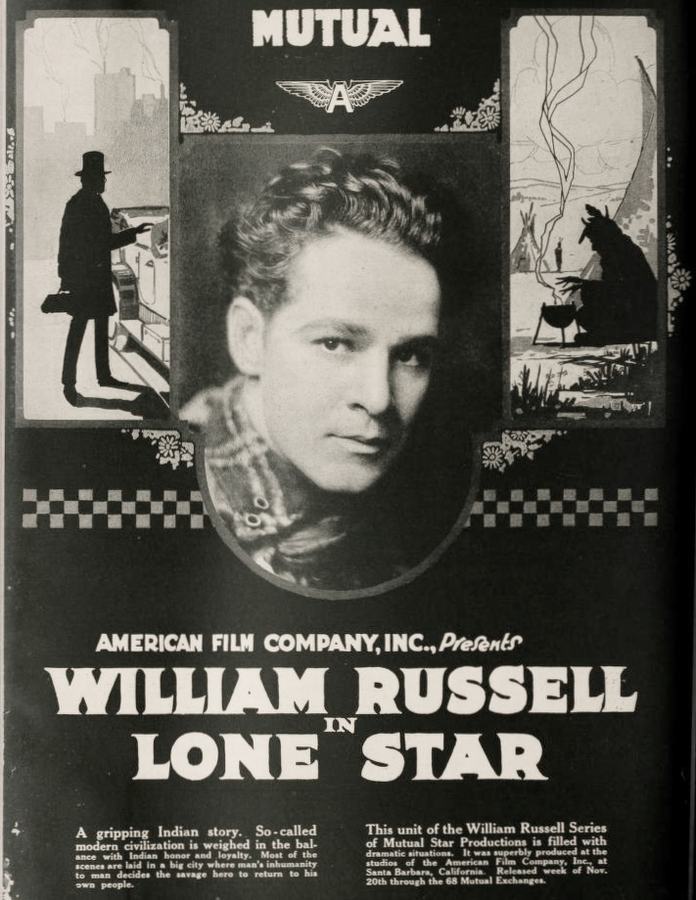
Director's Spotlight: United States
A Deep Dive into the 1916 Vision of Edward Sloman
The brilliance of Lone Star (1916) is inseparable from the visionary mind of its creator, Edward Sloman. Serving as a mirror to the anxieties of a changing world, it persists as a haunting reminder of our own cinematic history.
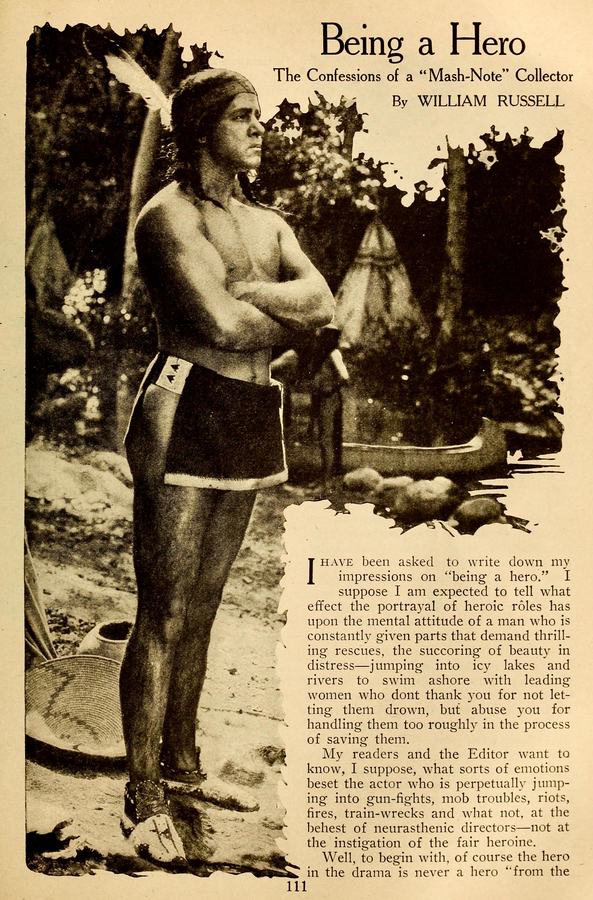
In Lone Star, Edward Sloman pushes the boundaries of conventional narrative. The film's unique approach to its subject matter has sparked endless debates and interpretations among cinephiles and critics alike.
| Cinematography | Noir-Inspired |
| Soundtrack | Experimental |
| Editing | Elliptical |
| Art Direction | Expressionist |
Visualizing the convergence of Edward Sloman's style and the core cult narrative.
Lone Star, an Indian lad of superior intelligence, marvels at the efficacy of the white man's medical methods. He later goes East to secure an education and release his tribe from the practices of the medicine man. After a medical course in college Lone Star goes to New York and here becomes a noted surgeon. He meets Helen Mattes, the daughter of a rich New Yorker, and falls in love with the girl. Her father objects to his daughter mating with an Indian and he brings Helen to the same conclusion. A short time after the girl has told Lone Star that she can never marry him he saves her life by a very delicate operation. Then, disgusted with so-called "high society." he returns to the Indian village and there sets about to give them the benefit of his education.
Decades after its release, Lone Star remains a vital piece of the cinematic puzzle. Its influence can be seen in countless modern works, solidifying Edward Sloman's status as a master of the craft in United States and beyond.