
DbcultAccessing Vault...
Director's Spotlight
Senior Film Conservator
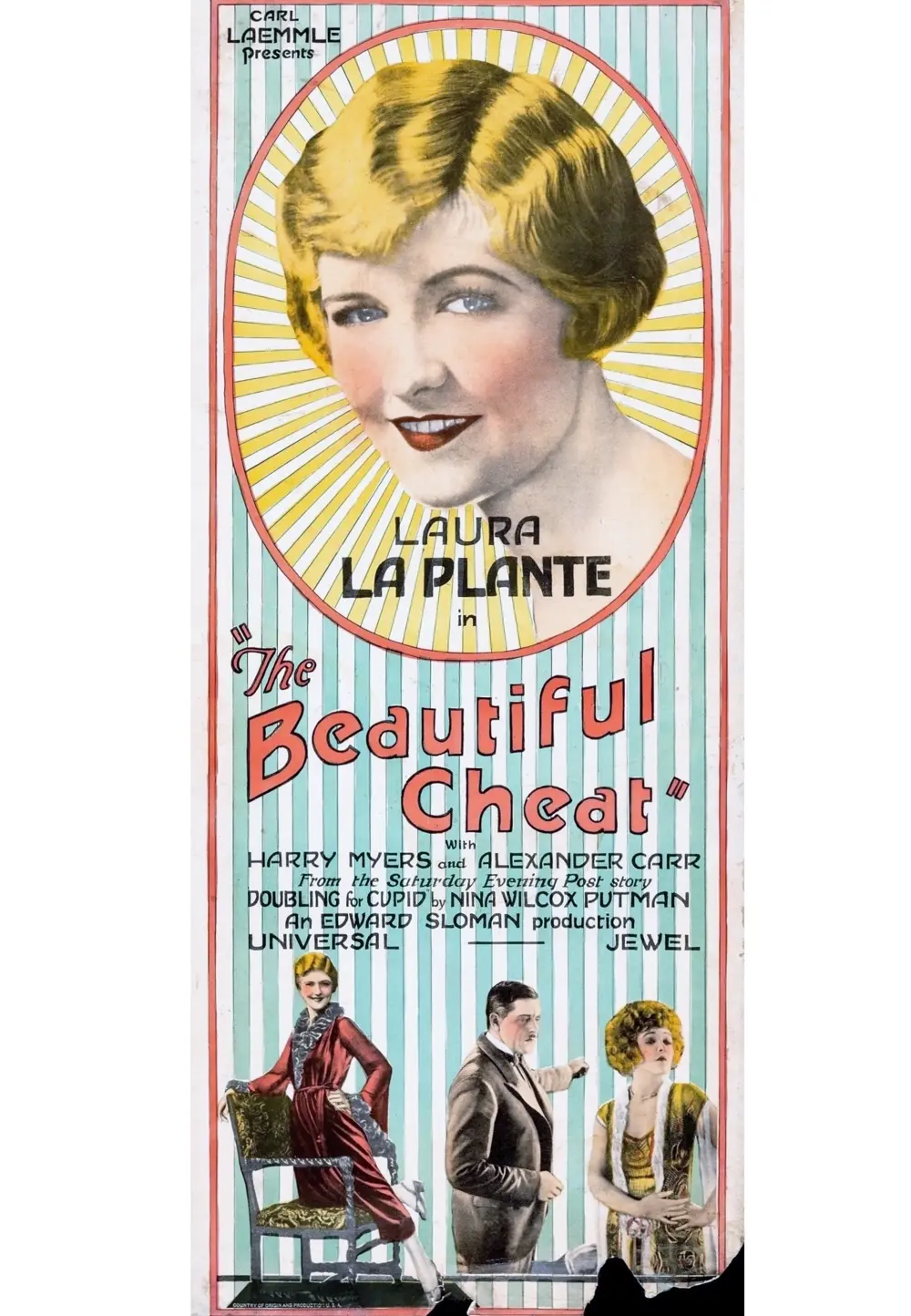
Director's Spotlight: United States
A Deep Dive into the 1926 Vision of Edward Sloman
Peeling back the layers of Edward Sloman's The Beautiful Cheat exposes the collaborative alchemy between Edward Sloman and the 1926 creative team. Anchored by a narrative that is both personal and universal, it reinforces the idea that cinema is a medium of infinite possibilities.
In The Beautiful Cheat, Edward Sloman pushes the boundaries of conventional narrative. The film's unique approach to its subject matter has sparked endless debates and interpretations among cinephiles and critics alike.
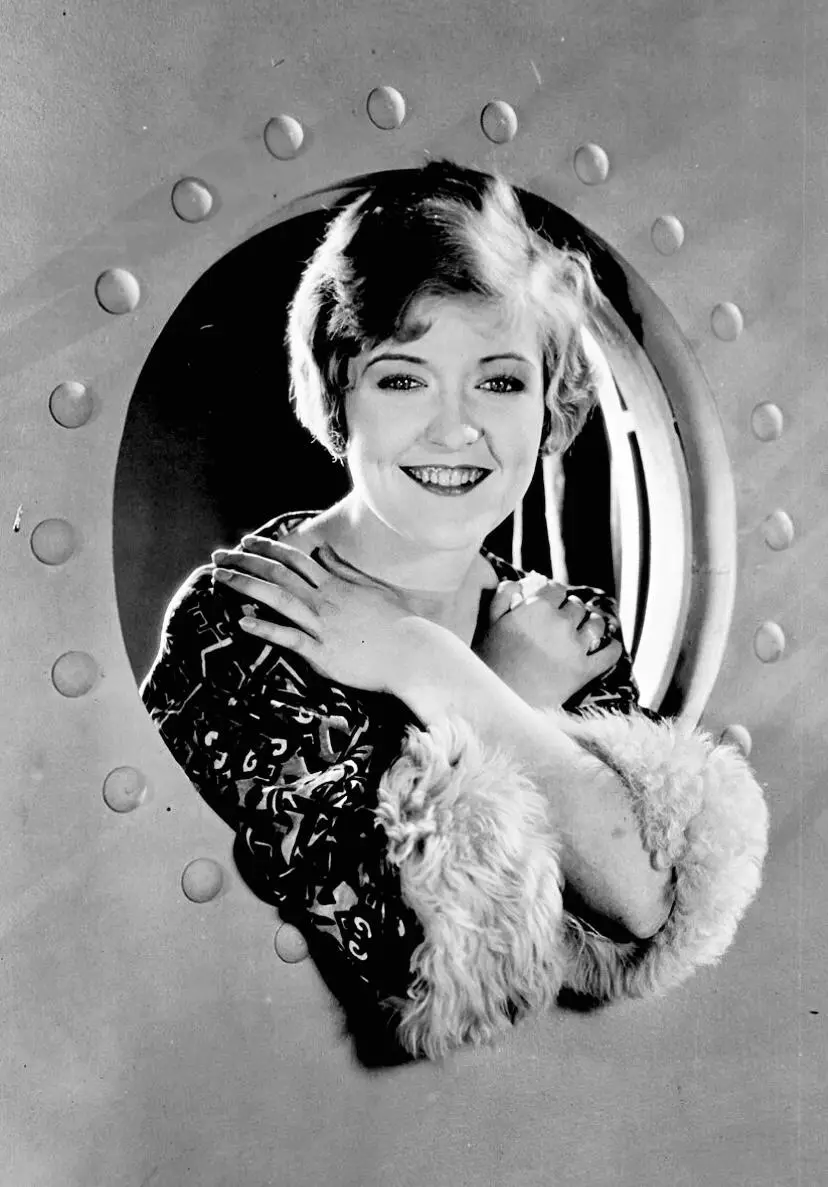
To fully appreciate The Beautiful Cheat, one must consider the cinematic climate of 1926. During this period, United States was undergoing significant artistic shifts, and Edward Sloman was at the forefront of this Comedy movement, often challenging established norms.
| Cinematography | Deep Focus |
| Soundtrack | Synth-Heavy |
| Editing | Disjunctive |
| Art Direction | Baroque |
Visualizing the convergence of Edward Sloman's style and the core Comedy narrative.
A motion picture producer has press agent Jimmy Austin take Mary Callahan, a pretty shop girl, to Europe. After an extensive publicity campaign, Mary returns to the United States as Maritza Callahansky, a Russian actress owning the crown jewels. To add support to her newly established identity, Maritza gives a party in a Long Island mansion in the rightful owner's absence. The owners return to find their home taken over by strangers and are about to call the police when it is discovered that they are the parents of one of the extras in the company. The owners not only dismiss charges of housebreaking but finance a film in which Maritza will star. Austin marries Maritza.
Decades after its release, The Beautiful Cheat remains a vital piece of the cinematic puzzle. Its influence can be seen in countless modern works, solidifying Edward Sloman's status as a master of the craft in United States and beyond.