
DbcultAccessing Vault...
Director's Spotlight
Senior Film Conservator
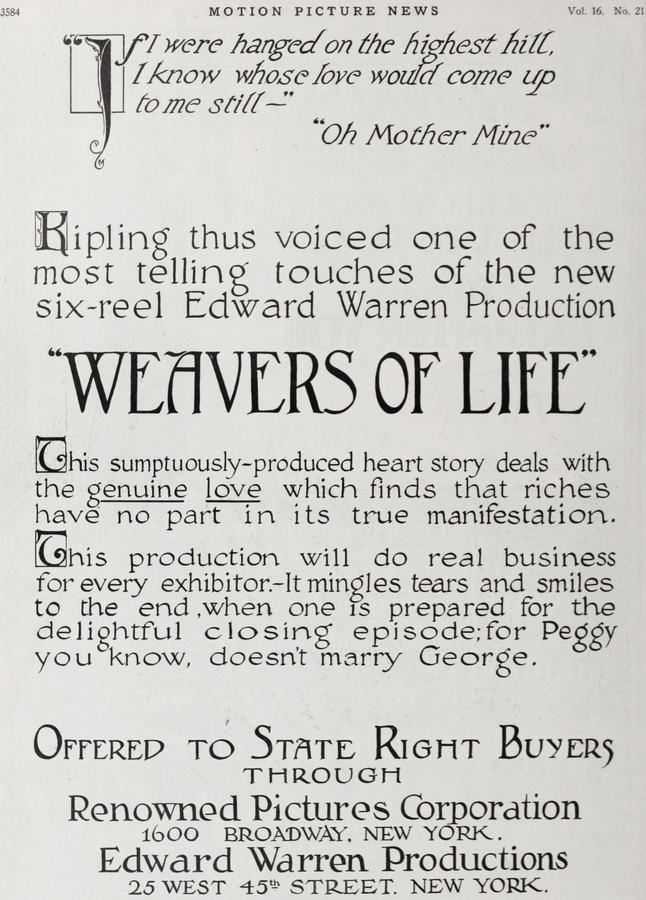
Director's Spotlight: United States
A Deep Dive into the 1917 Vision of Edward Warren
As we revisit the 1917 masterpiece The Weavers of Life, we are struck by the atmospheric immersion that Edward Warren achieves throughout The Weavers of Life. Exploring the nuances of the human condition with cult flair, it solidifies Edward Warren's reputation as a master of the craft.
In The Weavers of Life, Edward Warren pushes the boundaries of conventional narrative. The film's unique approach to its subject matter has sparked endless debates and interpretations among cinephiles and critics alike.
To fully appreciate The Weavers of Life, one must consider the cinematic climate of 1917. During this period, United States was undergoing significant artistic shifts, and Edward Warren was at the forefront of this cult movement, often challenging established norms.
| Cinematography | Deep Focus |
| Soundtrack | Orchestral |
| Editing | Invisible |
| Art Direction | Kitsch |
Visualizing the convergence of Edward Warren's style and the core cult narrative.
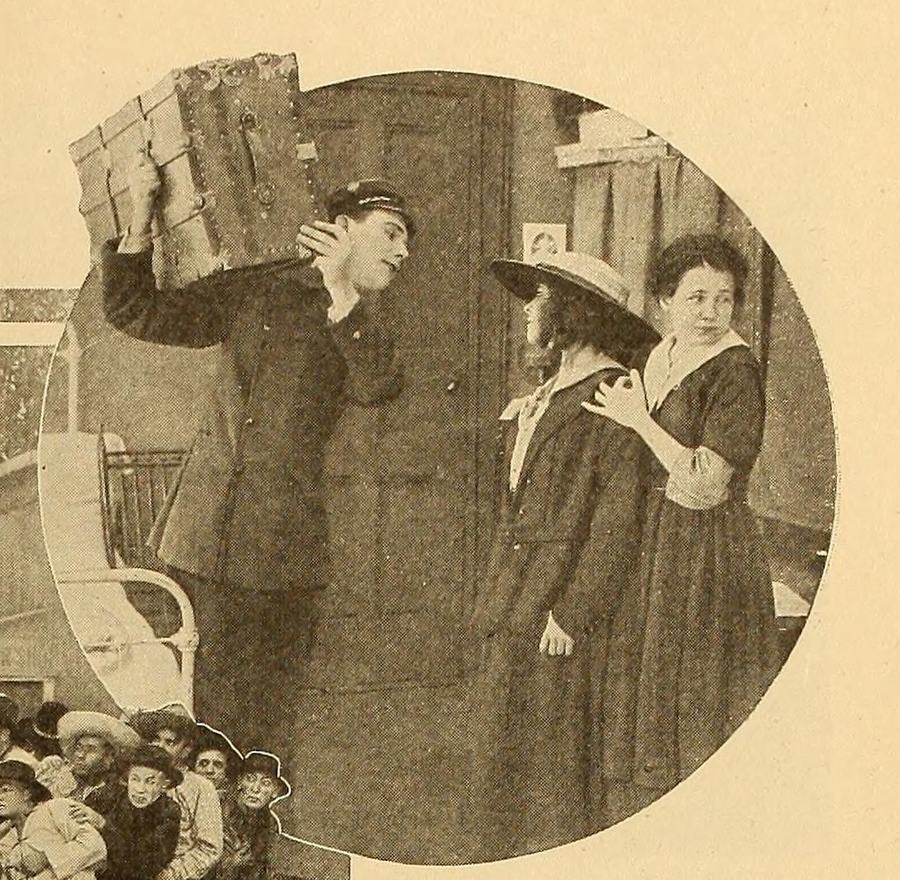
Peggy, a young department-store salesgirl, finds a box with a costume and an invitation to a masquerade ball at the home of wealthy Austin Pratt. On the night of the ball she puts on the costume and attends. She meets Pratt's son George, who falls for her and wants to marry her. George's father, hoping to dissuade his son from a reckless marriage, suggests that Peggy live with the family for two months. Meanwhile, Peggy's former boyfriend Hall, whom she had broken up with because of his laziness, has seen the light and returned to claim Peggy, only to find her living with the Pratt family. Complications ensue..
Decades after its release, The Weavers of Life remains a vital piece of the cinematic puzzle. Its influence can be seen in countless modern works, solidifying Edward Warren's status as a master of the craft in United States and beyond.