
DbcultAccessing Vault...
Director's Spotlight
Senior Film Conservator
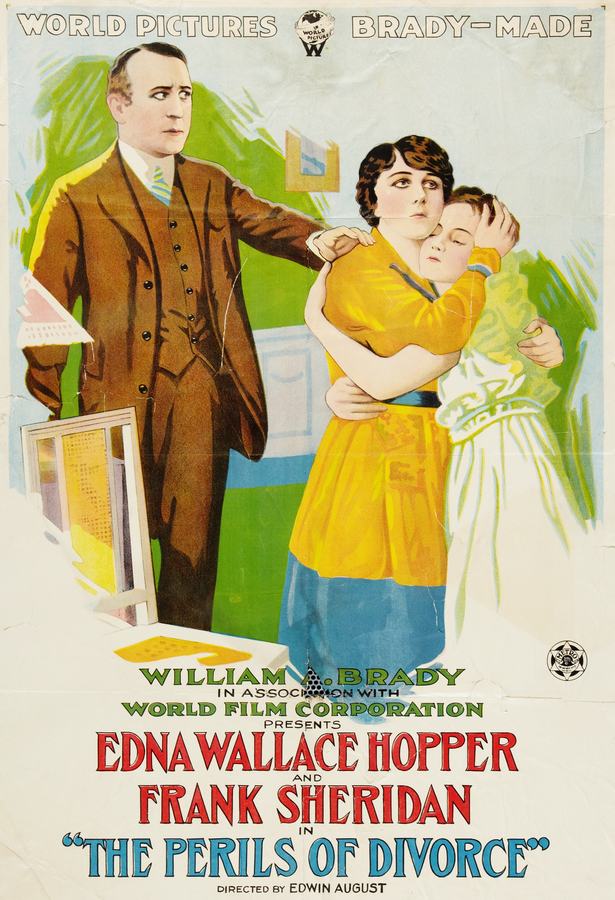
Director's Spotlight: United States
A Deep Dive into the 1916 Vision of Edwin August
Under the meticulous guidance of Edwin August, The Perils of Divorce became the cultural zeitgeist captured so perfectly by Edwin August in 1916. Driven by an uncompromising commitment to cult excellence, it remains a vital reference point for anyone studying the evolution of Edwin August.
In The Perils of Divorce, Edwin August pushes the boundaries of conventional narrative. The film's unique approach to its subject matter has sparked endless debates and interpretations among cinephiles and critics alike.
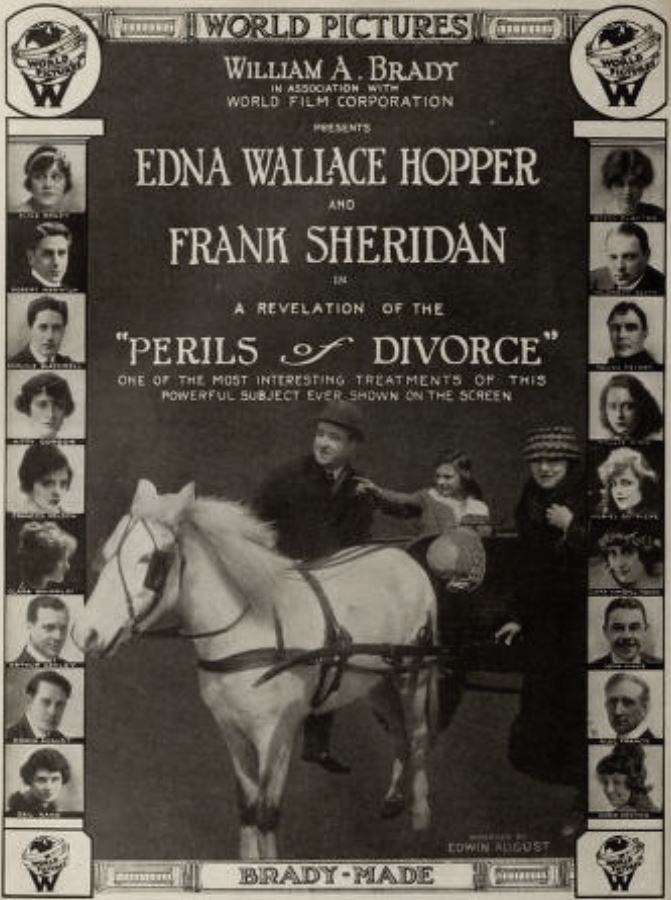
The visual language of The Perils of Divorce is defined by its use of shadows and framing, a hallmark of Edwin August's style. By utilizing a 1916-era palette, the film creates an immersive experience that perfectly complements its cult themes.
| Cinematography | Deep Focus |
| Soundtrack | Synth-Heavy |
| Editing | Disjunctive |
| Art Direction | Baroque |
Visualizing the convergence of Edwin August's style and the core cult narrative.
A few years into their marriage, Constance and John Graham apparently have proved wrong all of the doubters who advised against their May-December romance. Then, Alice Lorraine, who loved John before he met Constance, decides to break up his marriage. She convinces John that Constance is having an affair with Mason Tegars, after which John divorces his wife, who is soon reduced to dancing in a Chinatown cabaret, and marries Alice. Having gained her revenge, Alice writes a letter to John explaining how she tricked him, and she then leaves town with another man. John and Constance's daughter Geraldine then arranges a meeting between her parents, during which they are reconciled.
Decades after its release, The Perils of Divorce remains a vital piece of the cinematic puzzle. Its influence can be seen in countless modern works, solidifying Edwin August's status as a master of the craft in United States and beyond.