
DbcultAccessing Vault...
Director's Spotlight
Senior Film Conservator
Director's Spotlight: United States
A Deep Dive into the 1915 Vision of Edwin Carewe
Analyzing Destiny: or, the Soul of a Woman (1915) requires a deep dive into the defining moment in cult history that Edwin Carewe helped create. Defining a new era of United States artistic expression, it transcends regional boundaries to tell a universal story.
In Destiny: or, the Soul of a Woman, Edwin Carewe pushes the boundaries of conventional narrative. The film's unique approach to its subject matter has sparked endless debates and interpretations among cinephiles and critics alike.
While deeply rooted in United States, Destiny: or, the Soul of a Woman has achieved a global reach, influencing directors from various backgrounds. Its ability to translate cult tropes into a universal cinematic language is why it remains a cult staple decades after its 1915 release.
| Cinematography | Handheld |
| Soundtrack | Experimental |
| Editing | Invisible |
| Art Direction | Kitsch |
Visualizing the convergence of Edwin Carewe's style and the core cult narrative.
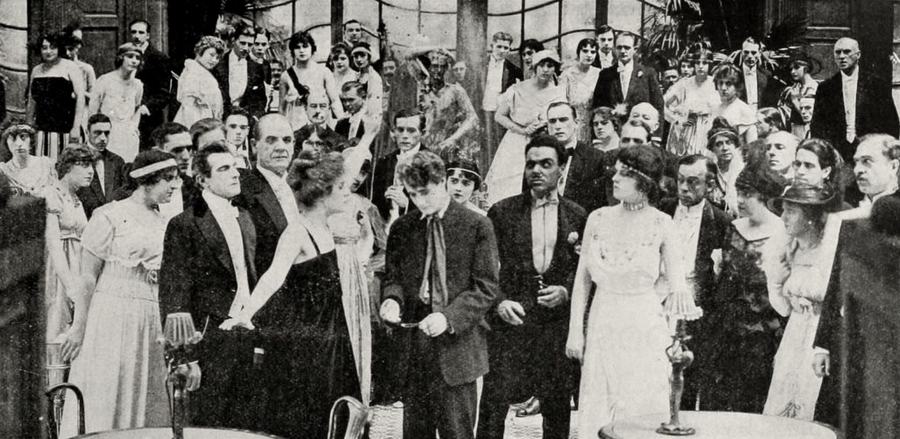
Standish, an artist, finishes a painting of the Madonna. His wife, Mary, acted as model, and when the Connoisseur and the Parishioner inspect the picture, the former tells Standish that he recognizes in the model a one-time paramour of his. The Connoisseur and the Parishioner buy the painting and after their departure Standish upbraids his wife, who tells him that she believed herself legally married to the Connoisseur. Standish refuses to accept her explanation and ejects her and their baby son. Mary leaves her boy on the steps of a monastery, and seventeen years later, just before becoming a monk, he receives permission to see the world. He wanders into a gay café and succumbs to the charms of Beauty. The other inmates of the place, Lust, Rum, Avarice and Passion are dancing around him when the proprietor enters. It is Mary, his mother. She recognizes him from the crucifix which he wears and which she left with him when he was a baby. Without revealing her identity she persuades him to go back and later when he has become a priest, a bedraggled old woman (his mother) enters his church. She recognizes him and just before she dies her son gives her absolution.
Decades after its release, Destiny: or, the Soul of a Woman remains a vital piece of the cinematic puzzle. Its influence can be seen in countless modern works, solidifying Edwin Carewe's status as a master of the craft in United States and beyond.