
DbcultAccessing Vault...
Director's Spotlight
Senior Film Conservator
Director's Spotlight: United States
A Deep Dive into the 1929 Vision of Edwin Carewe
The brilliance of Evangeline (1929) is inseparable from the visionary mind of its creator, Edwin Carewe. Serving as a mirror to the anxieties of a changing world, it persists as a haunting reminder of our own cinematic history.
In Evangeline, Edwin Carewe pushes the boundaries of conventional narrative. The film's unique approach to its subject matter has sparked endless debates and interpretations among cinephiles and critics alike.
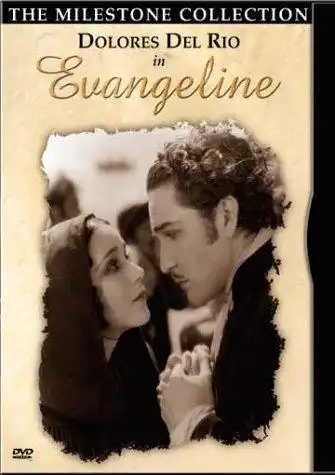
To fully appreciate Evangeline, one must consider the cinematic climate of 1929. During this period, United States was undergoing significant artistic shifts, and Edwin Carewe was at the forefront of this Drama movement, often challenging established norms.
| Cinematography | Noir-Inspired |
| Soundtrack | Synth-Heavy |
| Editing | Disjunctive |
| Art Direction | Baroque |
Visualizing the convergence of Edwin Carewe's style and the core Drama narrative.
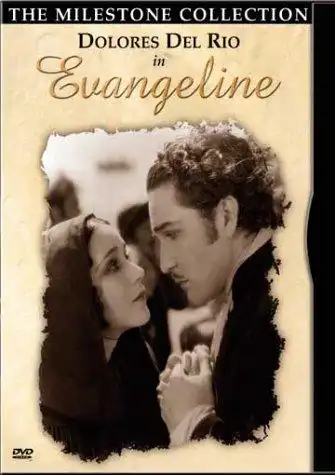
In Acadia, now part of the Canadian province of Nova Scotia, young Evangeline is betrothed to Gabriel. But before their wedding can take place, the British imprison the men and send them into exile with their lands forfeit to the Crown. Evangeline follows the exiled men in hopes of finding her beloved, but even after he and the other Acadians are released in Louisiana, she cannot find him, always arriving at some locale just after he has departed. But she dedicates her life to searching the continent for the man she loves.
Decades after its release, Evangeline remains a vital piece of the cinematic puzzle. Its influence can be seen in countless modern works, solidifying Edwin Carewe's status as a master of the craft in United States and beyond.