
DbcultAccessing Vault...
Director's Spotlight
Senior Film Conservator
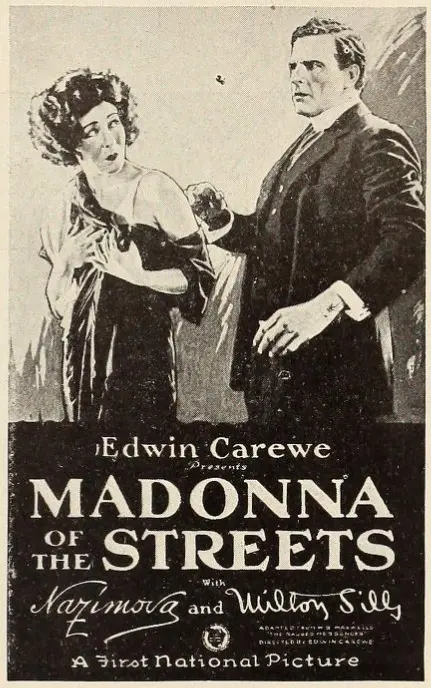
Director's Spotlight: United States
A Deep Dive into the 1924 Vision of Edwin Carewe
Exploring the Drama underpinnings of Madonna of the Streets leads us to the stylistic boundaries pushed by Edwin Carewe during the production. Through a lens of existential fatalism and Drama tropes, it continues to spark endless debates among critics and cinephiles alike.
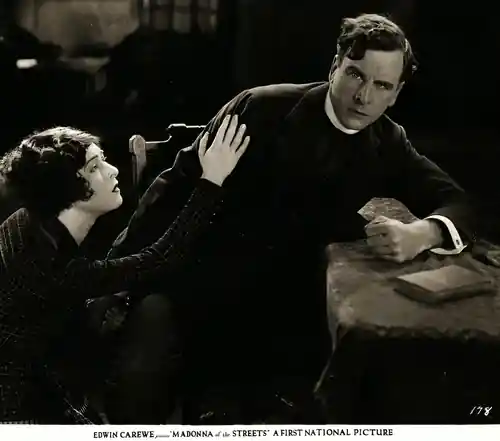
In Madonna of the Streets, Edwin Carewe pushes the boundaries of conventional narrative. The film's unique approach to its subject matter has sparked endless debates and interpretations among cinephiles and critics alike.
| Cinematography | Deep Focus |
| Soundtrack | Diegetic |
| Editing | Elliptical |
| Art Direction | Expressionist |
Visualizing the convergence of Edwin Carewe's style and the core Drama narrative.
John Morton, director of the fashionable parish of St. Andrews, resigns his wealthy charge to open a mission in the Limehouse district of London. His uncle, dying, leaves penniless his mistress, Mary Carlson, who determines to go to London and land the millions which she feels should have been hers through marriage to Morton. In this enterprise she succeeds with the ease of the practiced siren, but she tires of the life when she finds that Morton is sincere in his determination to put all of his money into welfare work. A night out with Morton's secretary brings matters to a crux, but he forgives her escapades, only to discover immediately after her identity as his uncle's enslaver. The second blow is too much for him. He lets her go her way. Later he realizes his powerful love for her. He fails in his mission since his hearers feel there is too much preaching and too little personal gain, and they are rushing him into the river when he is rescued by the police. He signs away the last of his money, believing that it has cost him his influence with his people, but he retains his ministry and eventually Mary comes back. She is miraculously revived after being declared dead, and the story ends on this dramatic moment.
Decades after its release, Madonna of the Streets remains a vital piece of the cinematic puzzle. Its influence can be seen in countless modern works, solidifying Edwin Carewe's status as a master of the craft in United States and beyond.