Summary
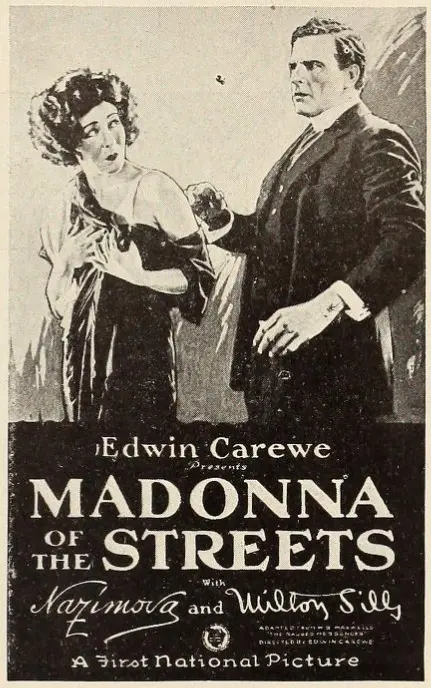
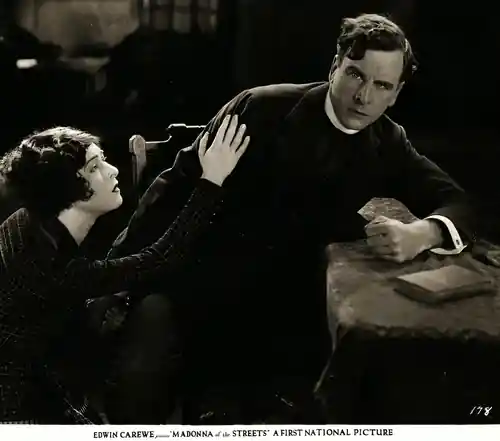
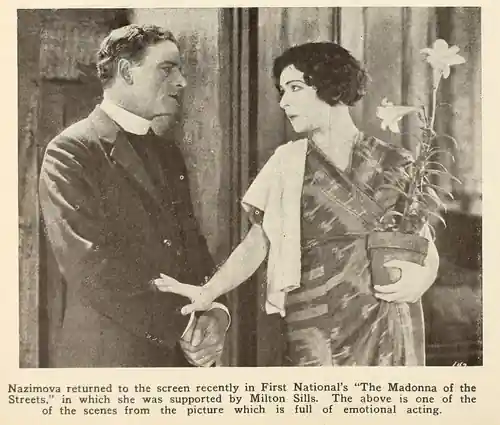
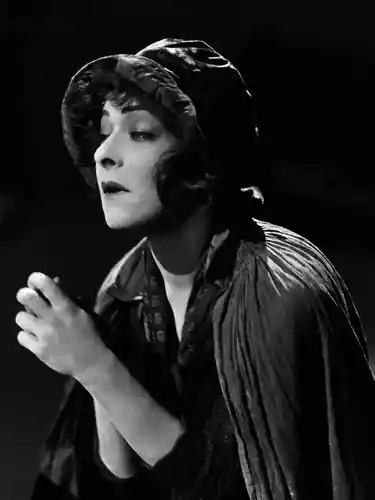
A sprawling tapestry of spiritual hubris and carnal retribution, Madonna of the Streets navigates the jagged emotional landscape of 1920s London with a cinematic intensity that borders on the operatic. The narrative pivotally centers on John Morton, an egalitarian clergyman who abdicates his opulent tenure at the fashionable St. Andrews to curate a mission amidst the atmospheric grime of the Limehouse district. Into this crucible of poverty steps Mary Carlson, the disenfranchised mistress of Morton’s deceased uncle. Spurred by a vengeful avarice and a conviction that her late lover’s millions were stolen from her through the lack of a wedding ring, Mary deploys her formidable allure to ensnare the unsuspecting Morton. Her infiltration is a masterclass in the 'practiced siren' archetype, yet she finds the utilitarian austerity of Morton’s welfare work increasingly suffocating. A clandestine dalliance with his secretary precipitates a moral rupture, leading Morton to discover her sordid history. The subsequent collapse of Morton’s mission—fueled by a populace more interested in material gain than spiritual platitudes—culminates in a near-fatal riot. The resolution is nothing short of transcendent: a synthesis of financial divestment, spiritual endurance, and a literal resurrection that defies the morbidity of the era’s typical melodramas.
Synopsis
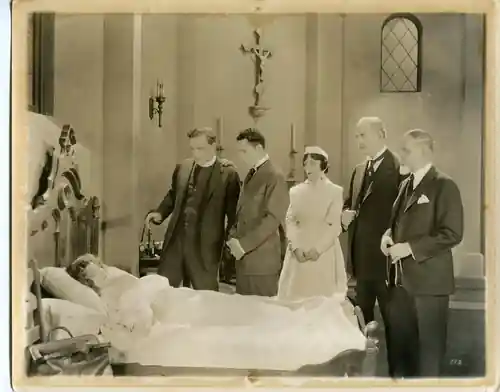
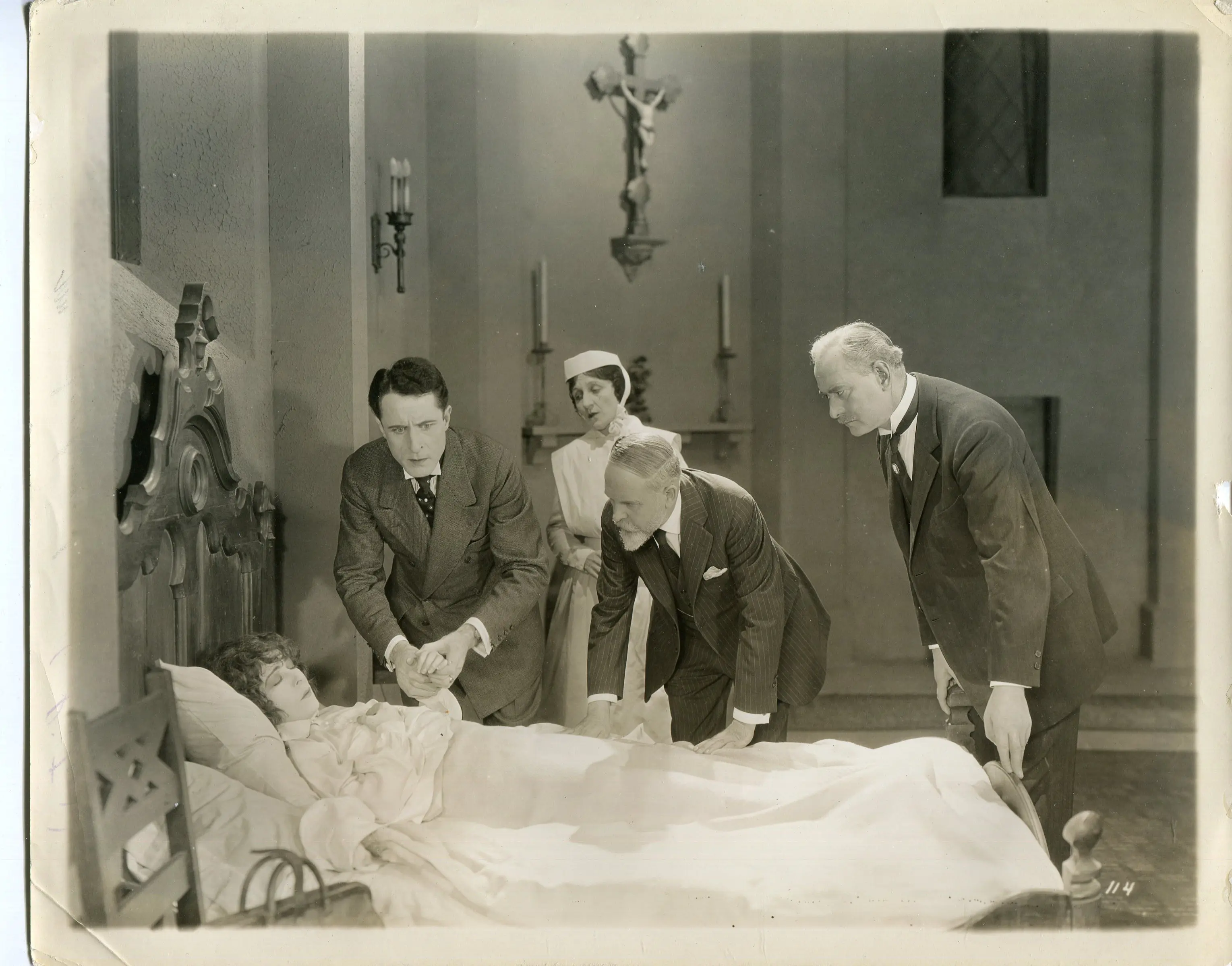
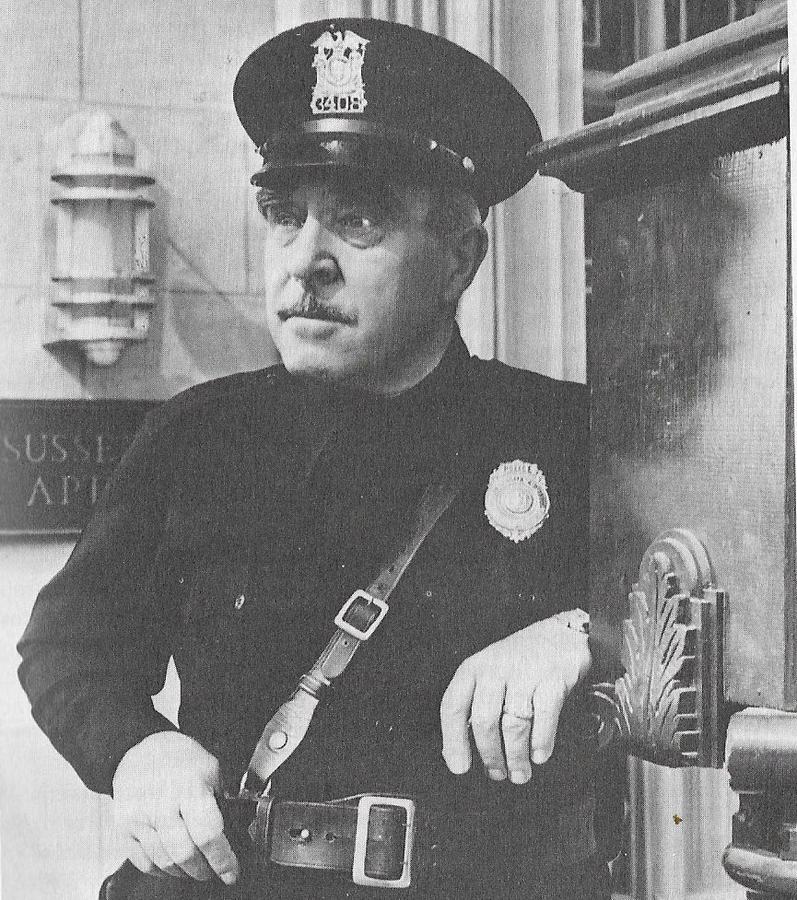
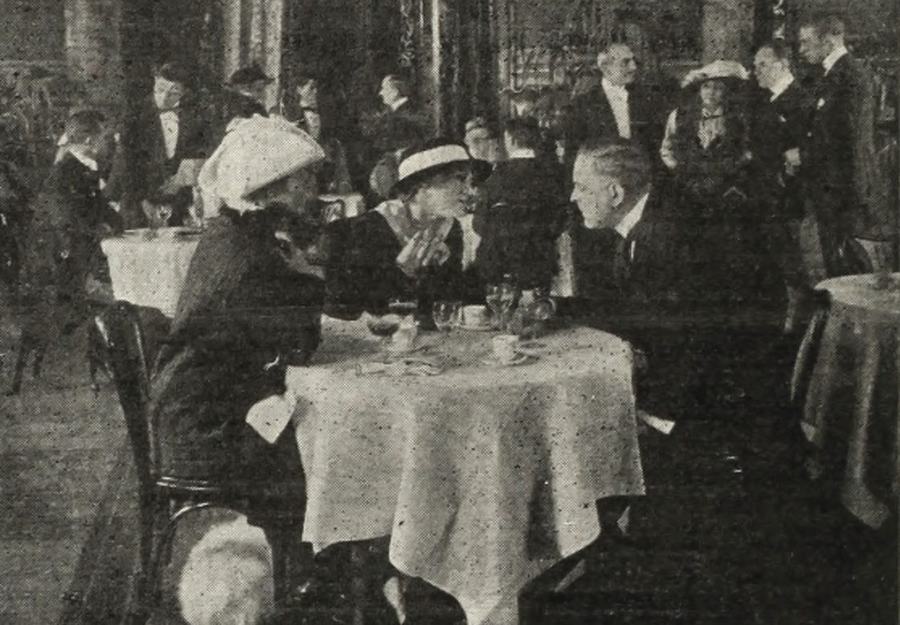
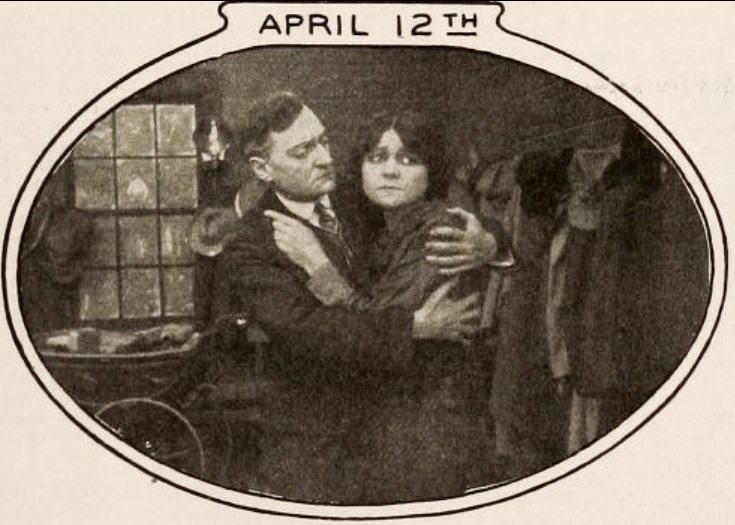
John Morton, director of the fashionable parish of St. Andrews, resigns his wealthy charge to open a mission in the Limehouse district of London. His uncle, dying, leaves penniless his mistress, Mary Carlson, who determines to go to London and land the millions which she feels should have been hers through marriage to Morton. In this enterprise she succeeds with the ease of the practiced siren, but she tires of the life when she finds that Morton is sincere in his determination to put all of his money into welfare work. A night out with Morton's secretary brings matters to a crux, but he forgives her escapades, only to discover immediately after her identity as his uncle's enslaver. The second blow is too much for him. He lets her go her way. Later he realizes his powerful love for her. He fails in his mission since his hearers feel there is too much preaching and too little personal gain, and they are rushing him into the river when he is rescued by the police. He signs away the last of his money, believing that it has cost him his influence with his people, but he retains his ministry and eventually Mary comes back. She is miraculously revived after being declared dead, and the story ends on this dramatic moment.
Review Excerpt
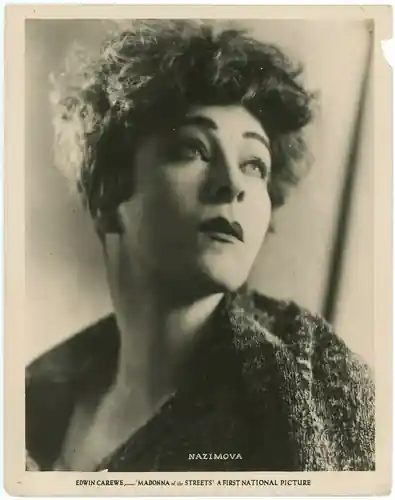
"The year 1924 stood as a precipice in the evolution of silent cinema, a moment where the crude gesticulations of the early nickelodeon era had fully transmuted into a sophisticated visual language. Within this milieu, Madonna of the Streets emerges not merely as a melodrama, but as a visceral exploration of the dichotomy between the sacred and the profane. Directed with a keen eye for atmospheric tension by Edwin Carewe, the film serves as a luminous vehicle for the enigmatic Alla Nazimova, whos..."