
DbcultAccessing Vault...
Director's Spotlight
Senior Film Conservator
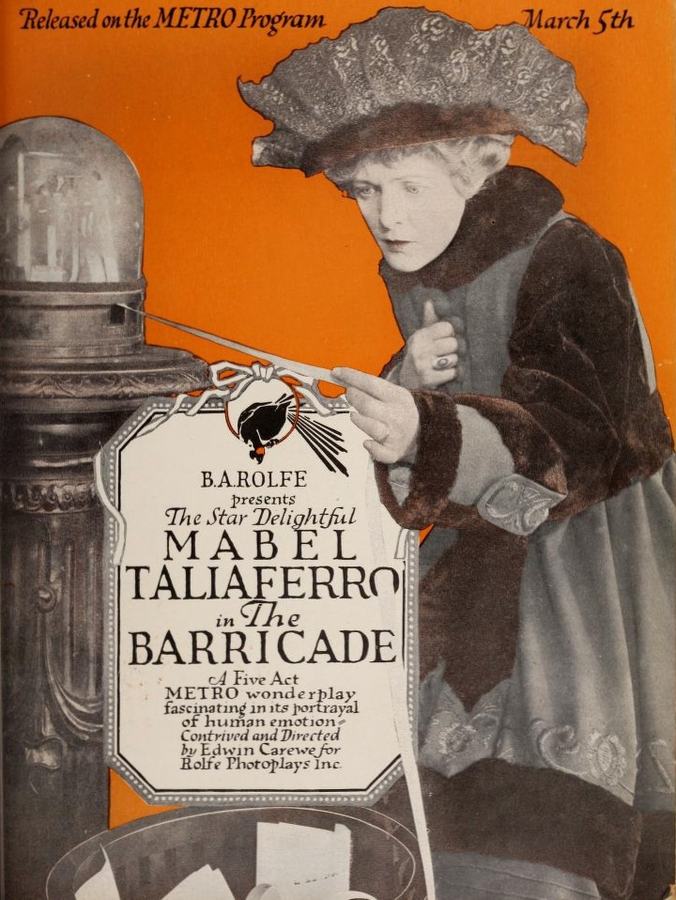
Director's Spotlight: United States
A Deep Dive into the 1917 Vision of Edwin Carewe
The artistic breakthrough represented by The Barricade in 1917 highlights the philosophical inquiries that Edwin Carewe embeds within the narrative. Framed by the hauntingly beautiful landscapes of the production, it leaves an indelible mark on the soul of the viewer.
In The Barricade, Edwin Carewe pushes the boundaries of conventional narrative. The film's unique approach to its subject matter has sparked endless debates and interpretations among cinephiles and critics alike.
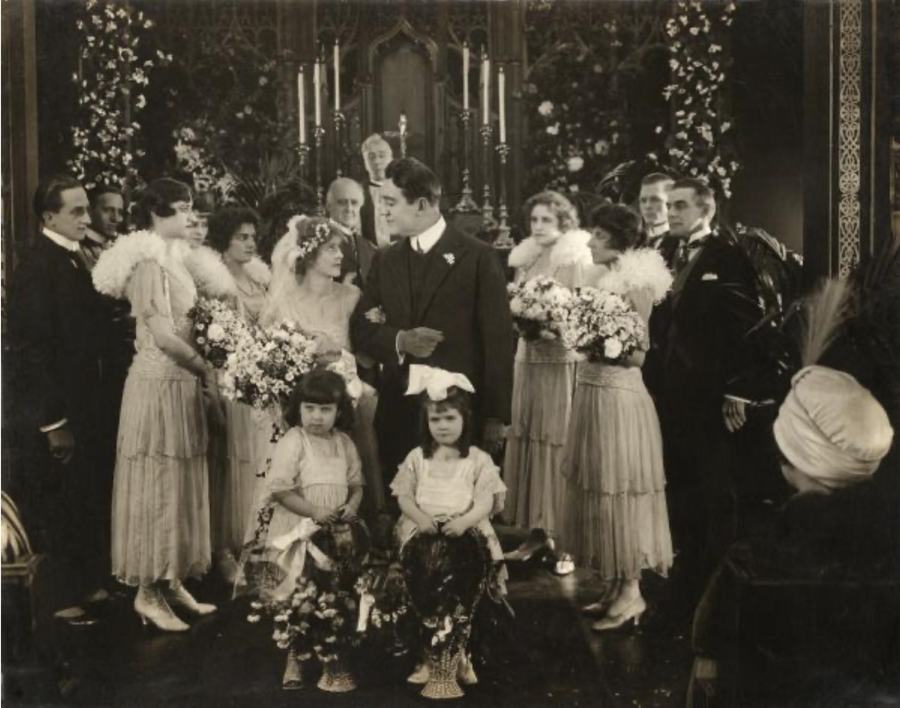
While deeply rooted in United States, The Barricade has achieved a global reach, influencing directors from various backgrounds. Its ability to translate cult tropes into a universal cinematic language is why it remains a cult staple decades after its 1917 release.
| Cinematography | Static |
| Soundtrack | Orchestral |
| Editing | Slow-Burn |
| Art Direction | Brutalist |
Visualizing the convergence of Edwin Carewe's style and the core cult narrative.
Unnerved by the superiority of John Cook, the new president of the Securities Company, Wall Street business leader Amos Merrill begins to speculate with the trust funds in his control, ultimately losing all the funds. Amos, faced with discovery and disgrace, lies to his daughter Hope that Cook has ruined him; soon after, Hope meets Cook and conceives a plot for revenge. In the meantime, Cook has protected the frail Merrill from prosecution and paid back his debt after sending him away on a vacation to recover his health. Hope, knowing nothing of this, marries Cook and makes his life unbearable, finally conspiring with his business rival Gerald Hastings to ruin her husband and gain control of his funds. When Amos returns from his vacation, he is stunned at what Hope has done and reveals that his lie has resulted in a terrible mistake. Hope begs forgiveness from Cook and they go West together to begin a new life.
Decades after its release, The Barricade remains a vital piece of the cinematic puzzle. Its influence can be seen in countless modern works, solidifying Edwin Carewe's status as a master of the craft in United States and beyond.