
DbcultAccessing Vault...
Director's Spotlight
Senior Film Conservator
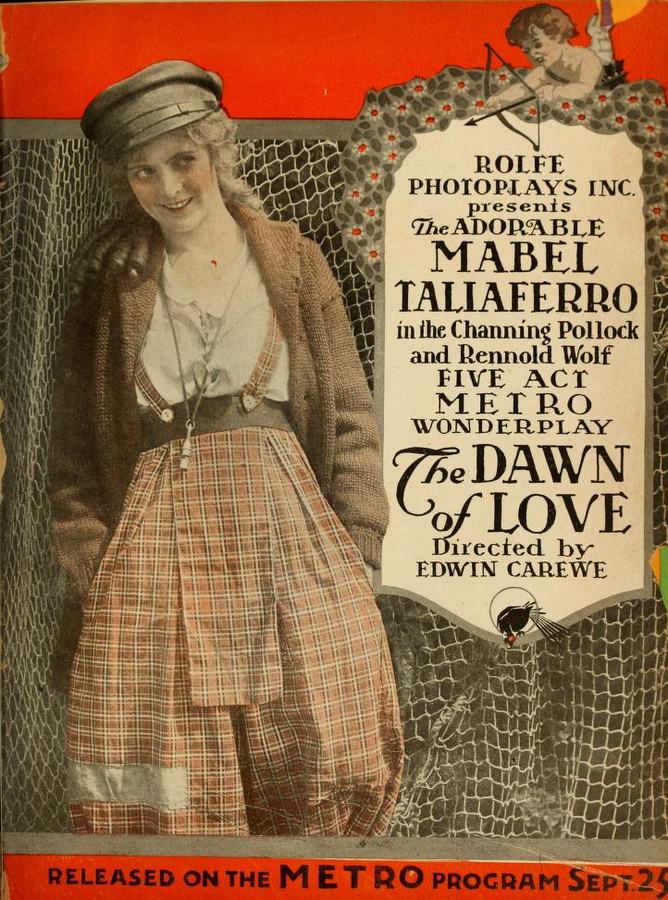
Director's Spotlight: United States
A Deep Dive into the 1916 Vision of Edwin Carewe
Analyzing The Dawn of Love (1916) requires a deep dive into the unique directorial voice that Edwin Carewe brought to the screen. By challenging the status quo of 1916 cinema, it continues to spark endless debates among critics and cinephiles alike.
In The Dawn of Love, Edwin Carewe pushes the boundaries of conventional narrative. The film's unique approach to its subject matter has sparked endless debates and interpretations among cinephiles and critics alike.
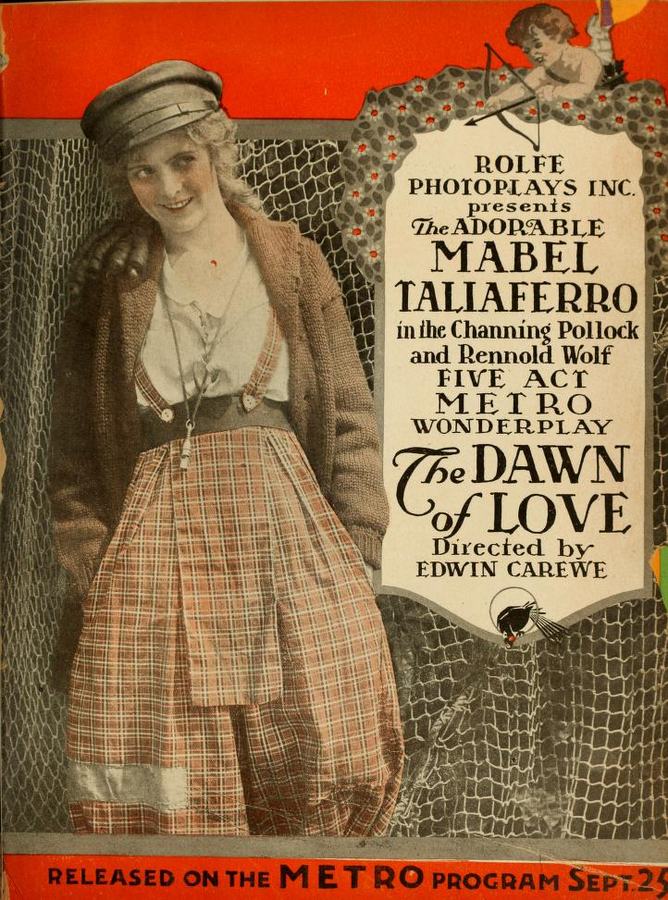
In this work, Edwin Carewe explores the intersection of cult and United States cultural identity. The meticulous attention to detail suggests a deep-seated commitment to pushing the boundaries of the medium, ensuring that The Dawn of Love remains a relevant topic of study for cult enthusiasts.
| Cinematography | High-Contrast |
| Soundtrack | Experimental |
| Editing | Elliptical |
| Art Direction | Expressionist |
Visualizing the convergence of Edwin Carewe's style and the core cult narrative.
Unknown to his daughter Jacqueline, Miles Allen, in the guise of a fisherman, smuggles silk and fur into the country. Customs officer John Lang comes to investigate, and he and Jacqueline quickly fall in love. Ward Jennings, the owner of Miles' boat, also loves her, but Miles refuses to let him marry her, so Ward gets revenge by revealing Miles' smuggling operation to Coast Guard officers, who kill Miles in a struggle at his home. Jacqueline mistakenly blames John for her father's death and goes to Ward for help. She then learns the truth about Ward; they fight on a cliff-top and he falls to his death. John comes to comfort Jacqueline, and they begin making plans for their life together.
Decades after its release, The Dawn of Love remains a vital piece of the cinematic puzzle. Its influence can be seen in countless modern works, solidifying Edwin Carewe's status as a master of the craft in United States and beyond.